
Puntos de Interés

Municipality
Torrubia de Soria
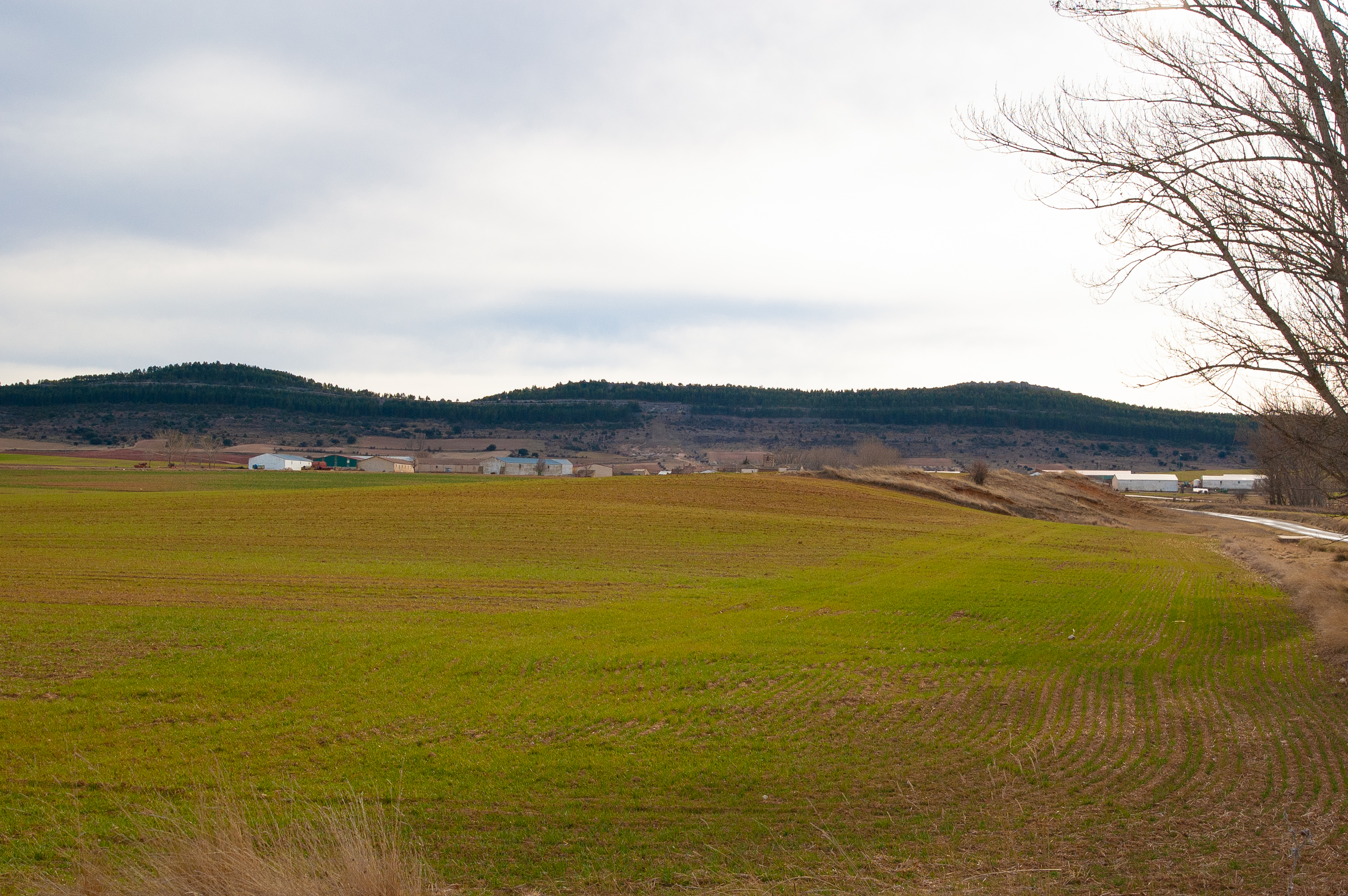
Torrubia de Soria is a small village located between the Costanazo and Corija mountain ranges, close to the border with the province of Zaragoza. The name comes from the Latin, from the contraction of turre rubea, meaning "red tower" and probably refers to an ancient building.
There are references to the village going back to the Middle Ages, where it is mentioned in some maps from 1270, although written with V.
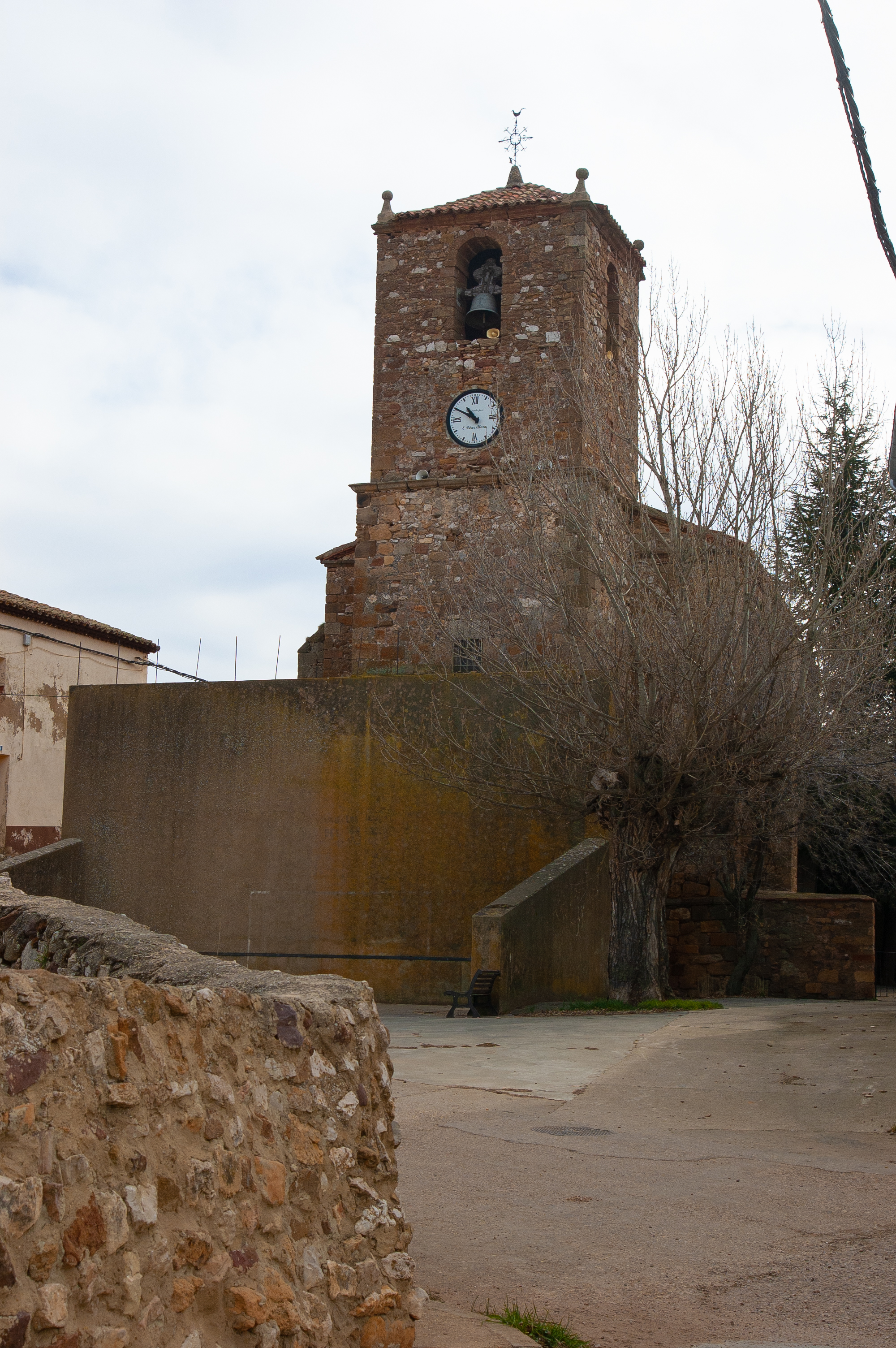
The village itself has some interesting houses decorated with coats of arms, although the most outstanding building is undoubtedly the Church of San Miguel Arcángel. The church was built in the 16th century on the site of an old Romanesque church. On the southern wall is the doorway with a wide semicircular arch with a similar archivolt. A cornice with a nacelle profile stands out on the exterior. Inside there is an attractive altarpiece. An 18th century, gold-embroidered pallium was kept here. It is currently part of the Las Edades del Hombre (The Ages of Man) exhibition at the Cathedral of San Pedro de Soria.
Apart from religious art, Torrubia also has important civil works such as the Casasa Concejo or the Roman Fountain. The Ethnological Agriculture Museum is worth a visit, with a furnace restored as an example of popular architecture. Torrubia is also on the Bécquer Route dedicated to the great Spanish poet Gustavo Adolfo Bécquer, during which you can visit the birthplace of Casta Esteban, the poet's wife, which has now been converted into a museum.
The village is located on a plain surrounded by hills and mountains, protected from the winds in a region with intense agricultural activity, where cereals, sunflowers and flax are the main crops. Its flora is very varied and we can find fields of holm oak, Pyrenean oak, thyme, camomile and elder. In this municipality there are several area included within the Natura 2000 Network, such as the holm oak groves of Sierra del Costanazo and the Altos Campos de Gómara.
As for the fauna, wild boar, hares and quail are a common sight. Torrubia is also famous for the large quantity of truffles found in its fields and for their good quality, as well as for the oyster mushroom.
As for the festivities celebrated in this village, the most important are those of the Virgen del Pilar, on 17, 18 and 19 August, and on 20 May, the blessing of the fields and San Miguel.