

Puntos de Interés

Municipality
Almenar de Soria
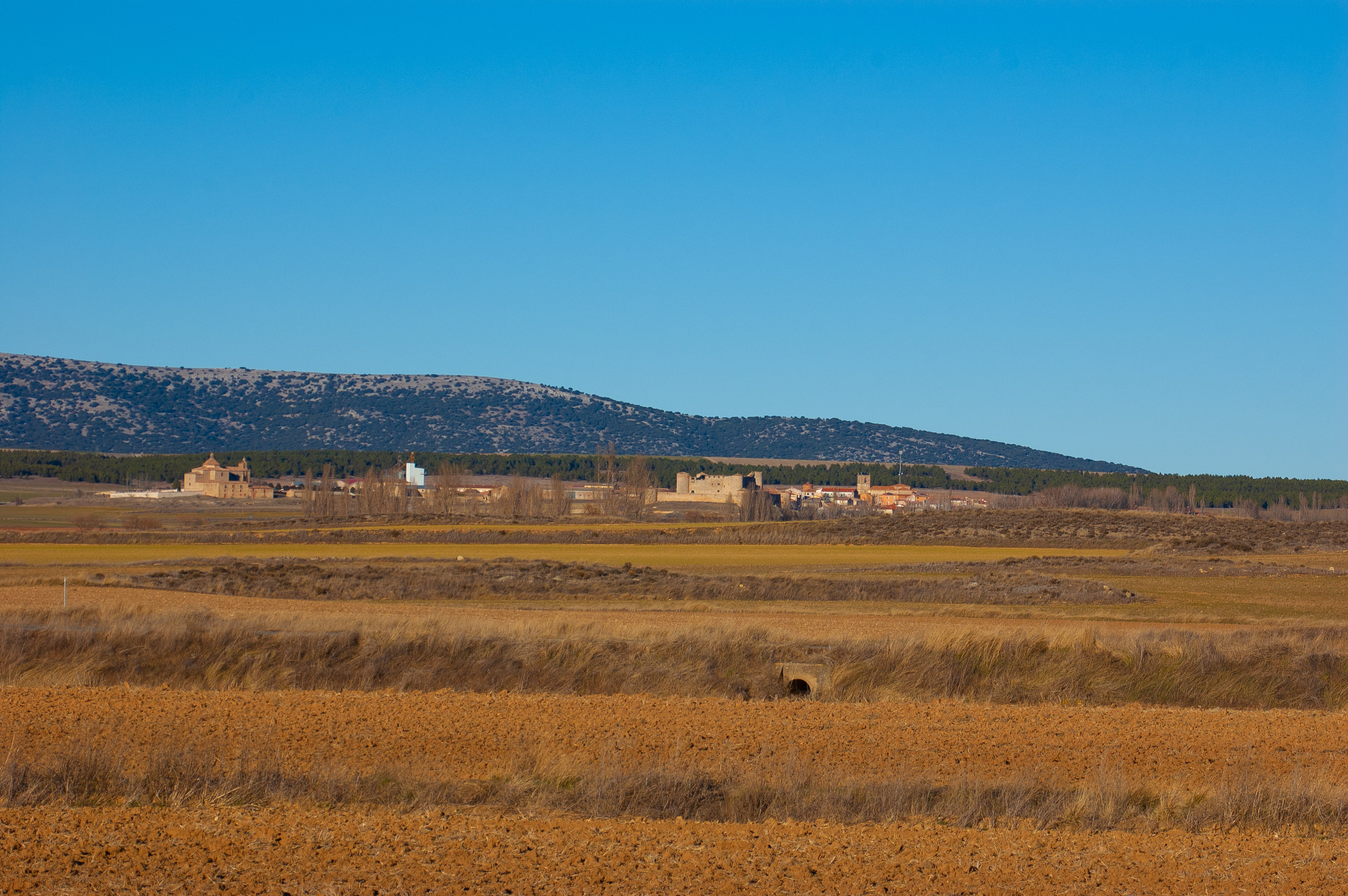
The village of Almenar de Soria is located between the Sierra de la Pica and the River Rituerto. This municipality in the comarca of Campo de Gómara, encompasses five other urban centres: Cardejón, Castejón del Campo, Esteras de Lubia, Jaray and Peroniel del Campo.
Although some writings have been found suggesting that James I the Conqueror of Aragon granted the dominion of the village to one of his knights in the 13th century, the most important reference is from the Middle Ages in the Cantar de los Siete Infantes de Lara ("Song of the Seven Lara Princes") and Ramón Menéndez Pidal’s La Leyenda de los Infantes de Lara (The Legend of the Infantes de Lara).
John II of Castile would assign the district and its castle to Hernán Bravo de Lagunas in 1430, leaving the lordship to his son who would hold it until 1452, when he was succeeded by his daughter Doña Juana. When she died childless, the seat passed to her aunt Beatriz Bravo, who was married to the governor of Soria.
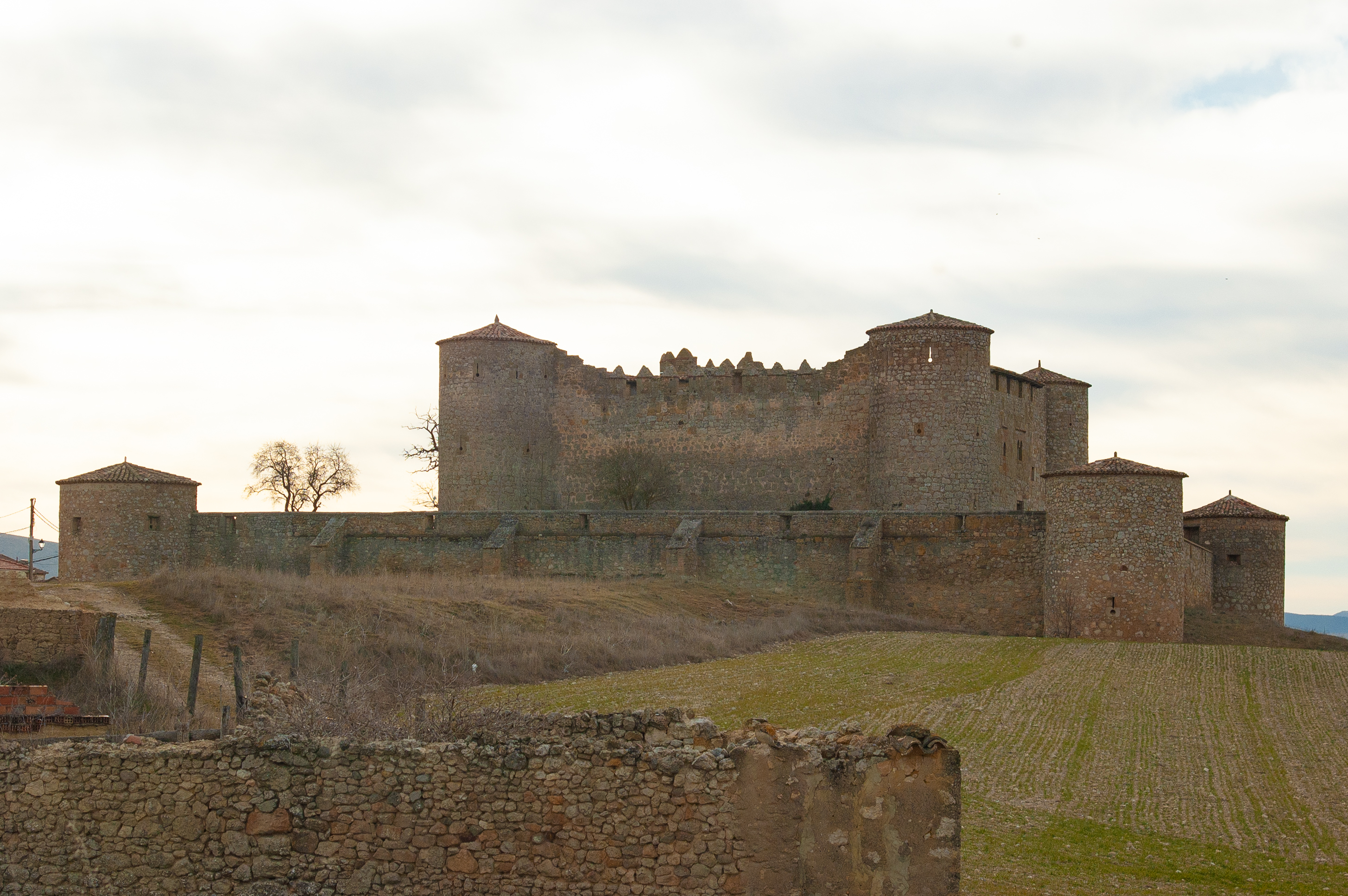
The castle is undoubtedly the pride of the village. This former property of the Count of Gómara was built between the 15th and 16th centuries, although the oldest remains, the walls of the keep, date from the 10th century. The enclosure has a square ground plan, topped at the ends by round towers. At its peak, the complex had an inner enclosure, an outer wall with battlements and several towers, and an inner enclosure containing the residential area with a gallery and staircase. This is surrounded by an outer moat. In the 18th century, the owners set off for Chile and abandoned the property.
Both Charles II and Philip V lived within its walls and the writer Gustavo Adolfo Bécquer chose this castle as the setting for some of the stories in his Leyendas collection. After it was abandoned, it served as a Guardia Civil barracks and it is also the birthplace of Leonor Izquierdo, wife of Antonio Machado born on 12 June 1894. The complex was recently used as a location for the Spanish TV series El Cid.
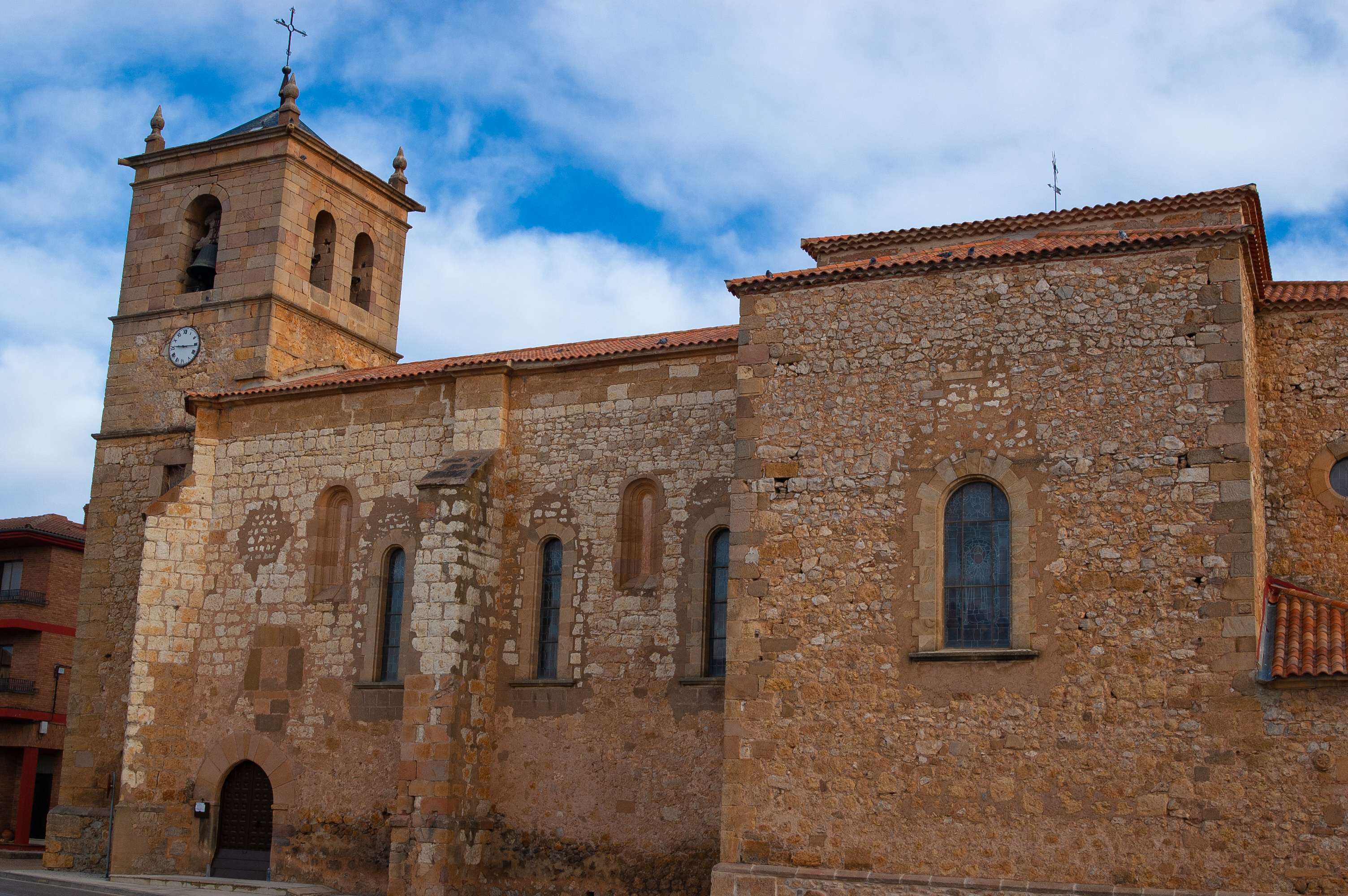
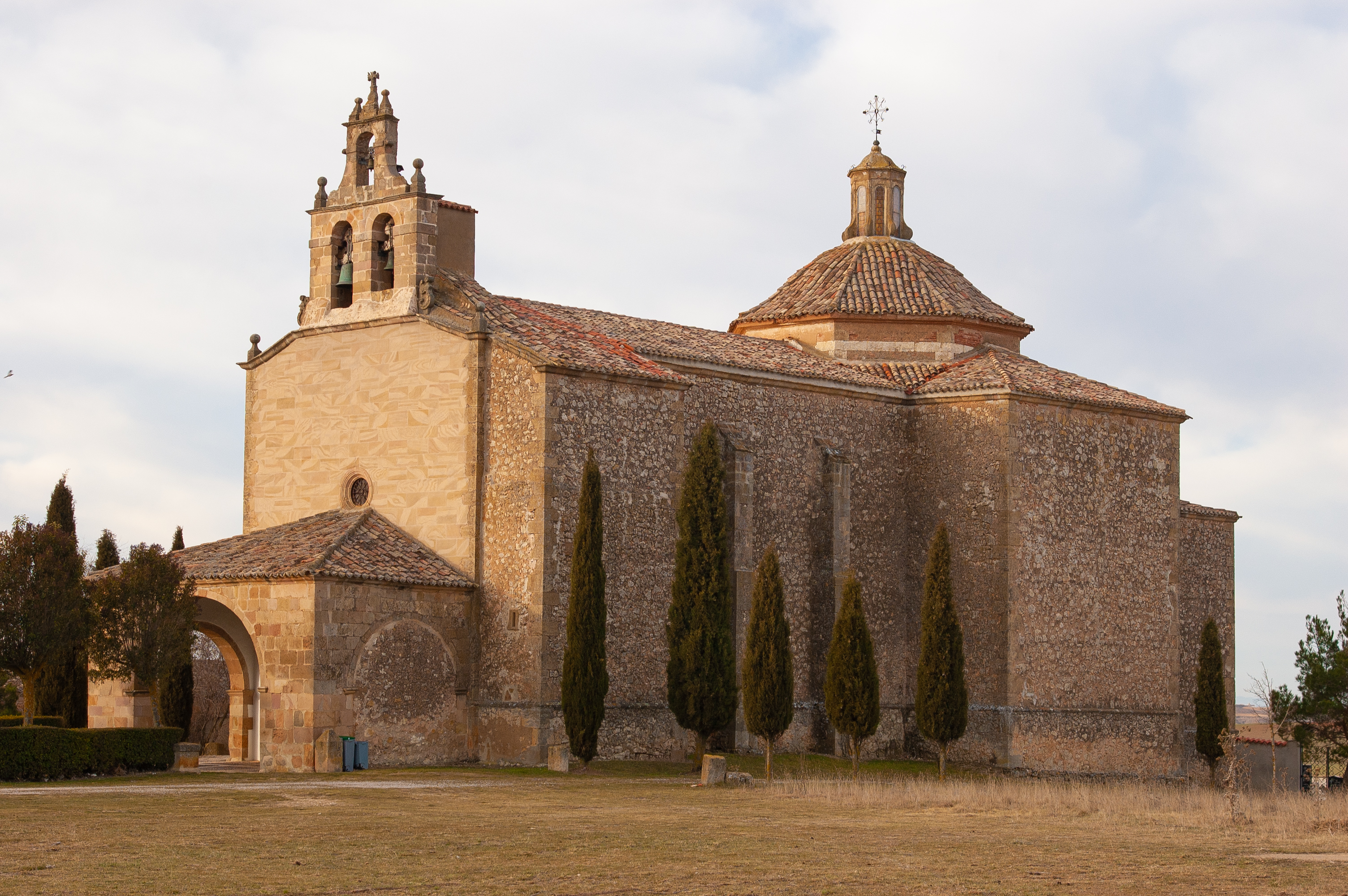
Another iconic building is the Church of San Pedro Apóstol, famous for its baptismal font with a truncated cone-shaped vase and decorated with semicircular arches with fine columns and triangular-shaped crests. It is a Gothic style building with high stone and brick walls and a splendid bell tower. The 18th century sanctuary of La Virgen de la Llana is another highlight. It is accessed by a pretty grassy walkway at the entrance to the village with tall trees and beautiful hedges on either side. It was built on the site of an older shrine. Inside it houses the 12th century image of the Virgin, venerated by locals, and the votive offerings related to the legend of the El cautivo de Peroniel, as well as a beautiful 12th century silver relief.
The local economy is based mainly on cereal crops, which is why the village is surrounded by fields of crops as well as some areas of pine and scrubland, with lavender and thyme dominant.
Located on a plain, hares, rabbits and quail abound in the summer season. Birds of prey like kestrels and kites come to these lands in search of food.
Locals celebrate the festivals of the Virgen de la Llana on 15 August, coinciding with the feast day of San Roque.