
Puntos de Interés

Municipality
Aliud
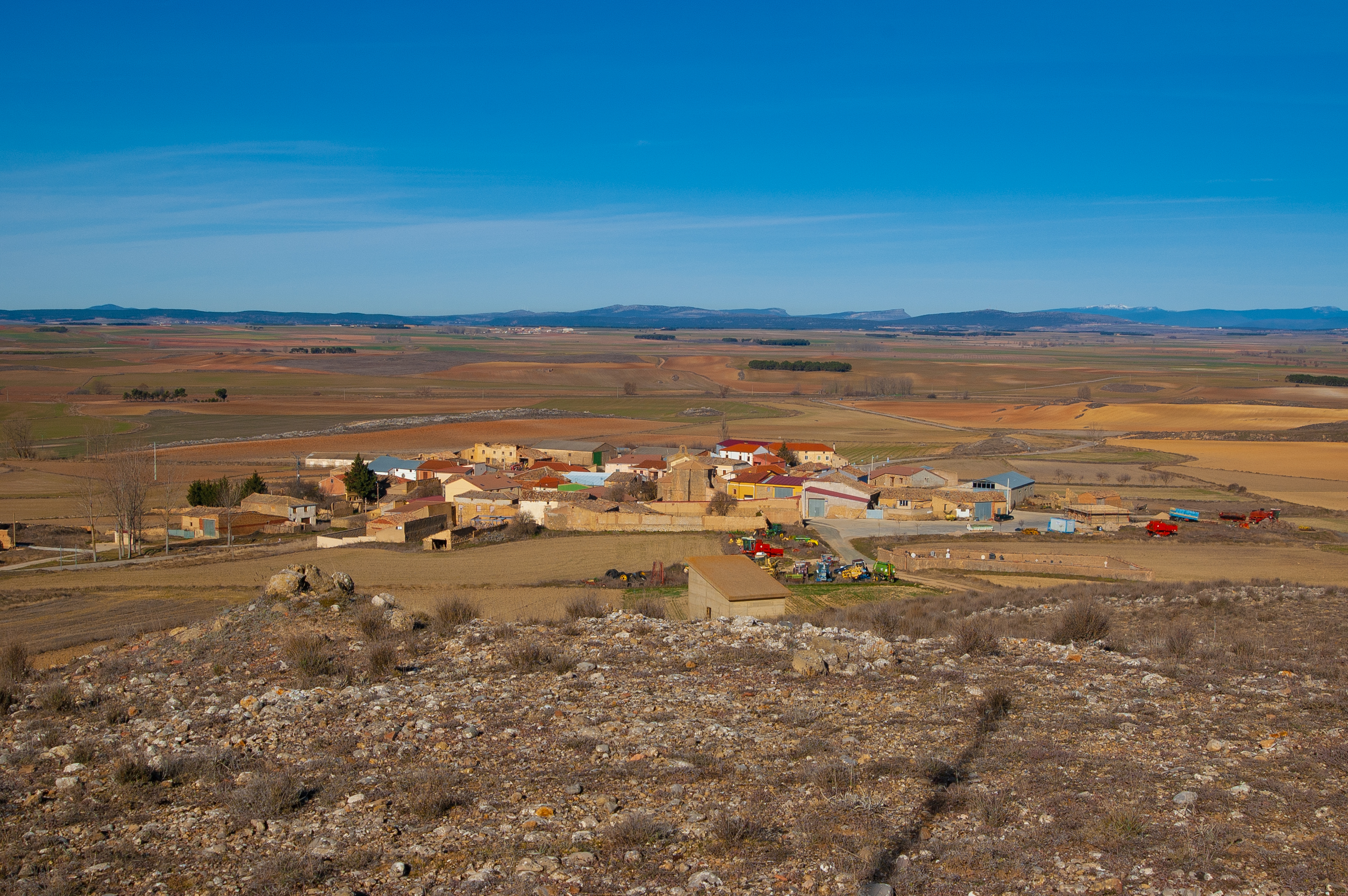
Although the word Aliud comes from the Latin meaning means 'something' or 'something else', it seems that the name of this village in Campo de Gómara is derived from the Arabic al-yahud, meaning “the Jews,” which refers to an old Jewish livestock farming settlement in this Christian-Islamic land.
Despite this, remains of terra sigillata pottery have been found in the area, which was very common during the Roman occupation of the peninsula and was used as household goods by the wealthiest families. Some millstones and Roman tiles would confirm this, suggesting a Roman villa may have existed here in the 1st-2nd centuries AD.
During the Middle Ages, the property was owned by the Comunidad de Villa y Tierra de Almazán, which was part of the Sexmo de La Sierra.
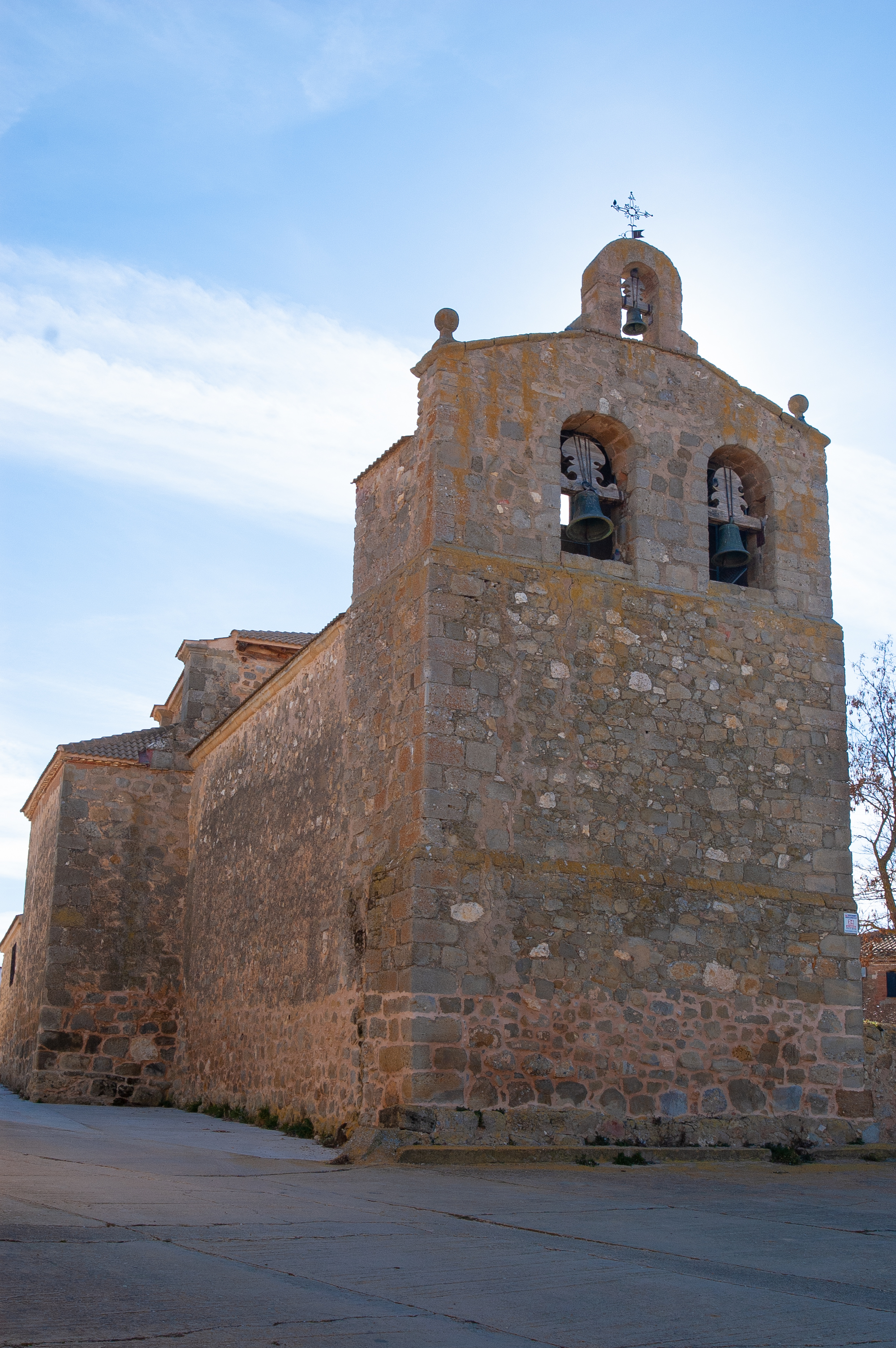
The main monuments in the village are the church in the village square and the Shrine of Cerro Santo, where San Cristóbal is venerated.
Agriculture is the main source of income for locals of the municipality, with cereals being the main crop, particularly wheat, barley and rye. Various aromatic herbs such as camomile, rosemary, thyme, lavender, pennyroyal and tea grow in the area. The surrounding vegetation is practically non-existent.
The fauna in the area includes partridges, quail, hares and rabbits.
There was also once a railway station here on the Santander-Mediterranean line, which was in operation between 1929 and 1985. This was the 3rd class station Gómara-Almenar-Albocabe, located at kilometre 69.312. As well as a building for passengers, there was a small warehouse and up to four service tracks, making it the most important station on the Soria-Calatayud section. Today, it lies totally abandoned.
Aliud celebrates the festivals of La Virgen del Rosario on the last weekend of August, the Cruz de Mayo on the first of the month and Santiago el Mayor on the 25th of July.