
Puntos de Interés

Municipality
Cabrejas del Campo
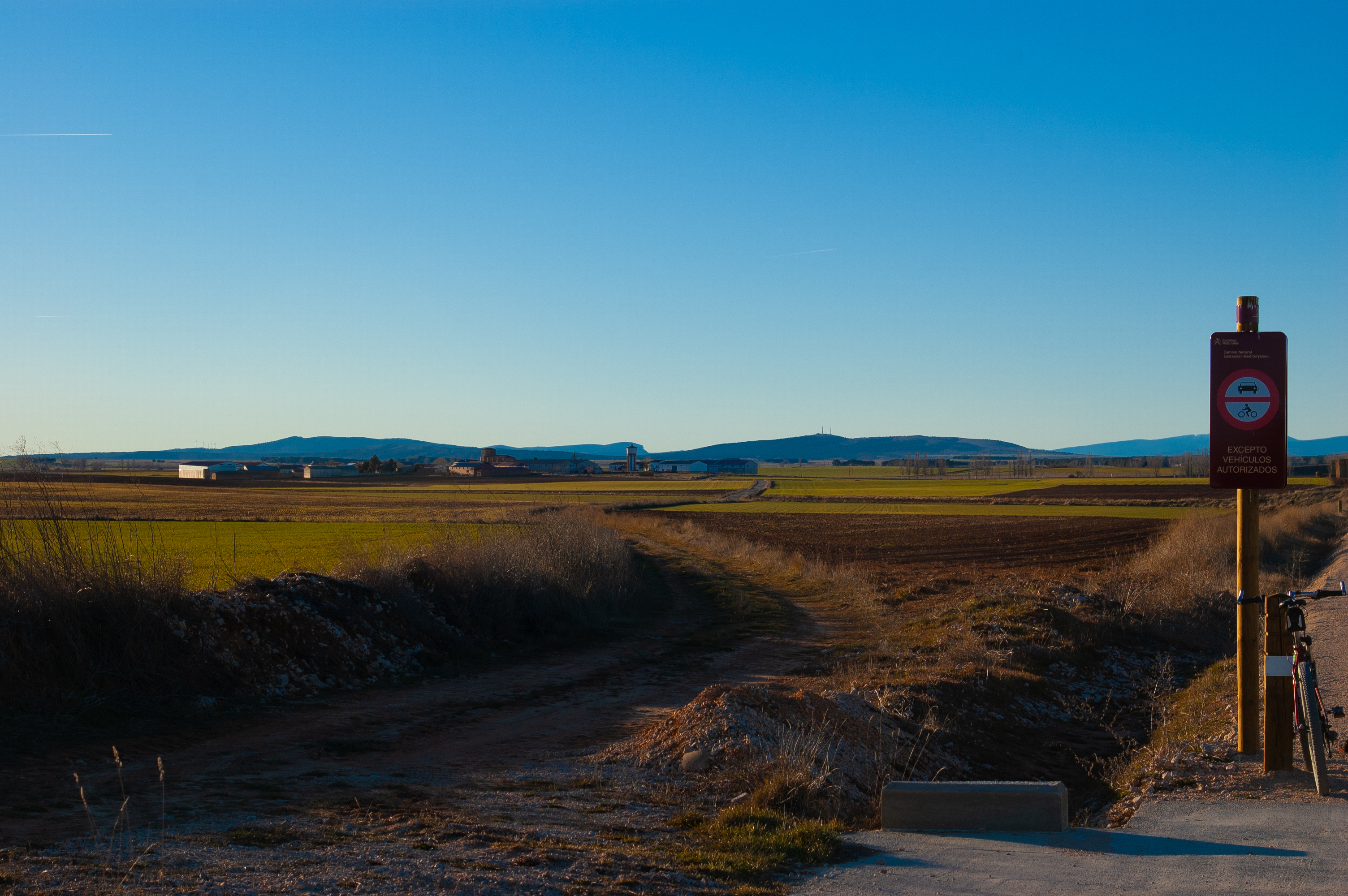
Another of the municipalities in the Campo de Gómara region is Cabrejas del Campo. Located in the Rituerto Valley some 22 kilometres from the provincial capital, this hamlet has an economy based on agriculture and sheep farming.
According to some remains found in the area, mainly remains of sigillata pottery, a type of bright reddish ceramic from the Roman Empire, experts believe that there may have been some settlements in the area of Cabrejas del Campo prior to the medieval repopulations, when it became part of the Sexmo de Lubia administrative division.
In the mid-19th century, the municipality grew with the incorporation of the hamlet of Ojuel, known as the birthplace of one of Spain’s most important athletes, Abel Antón.
Despite its small size, the town has some elements of artistic heritage of certain importance, such as the Gothic Parish Church of San Juan Bautista. Inside, in addition to an exceptional Gothic altarpiece in polychrome stone, there is a relic of Saint Maximus.
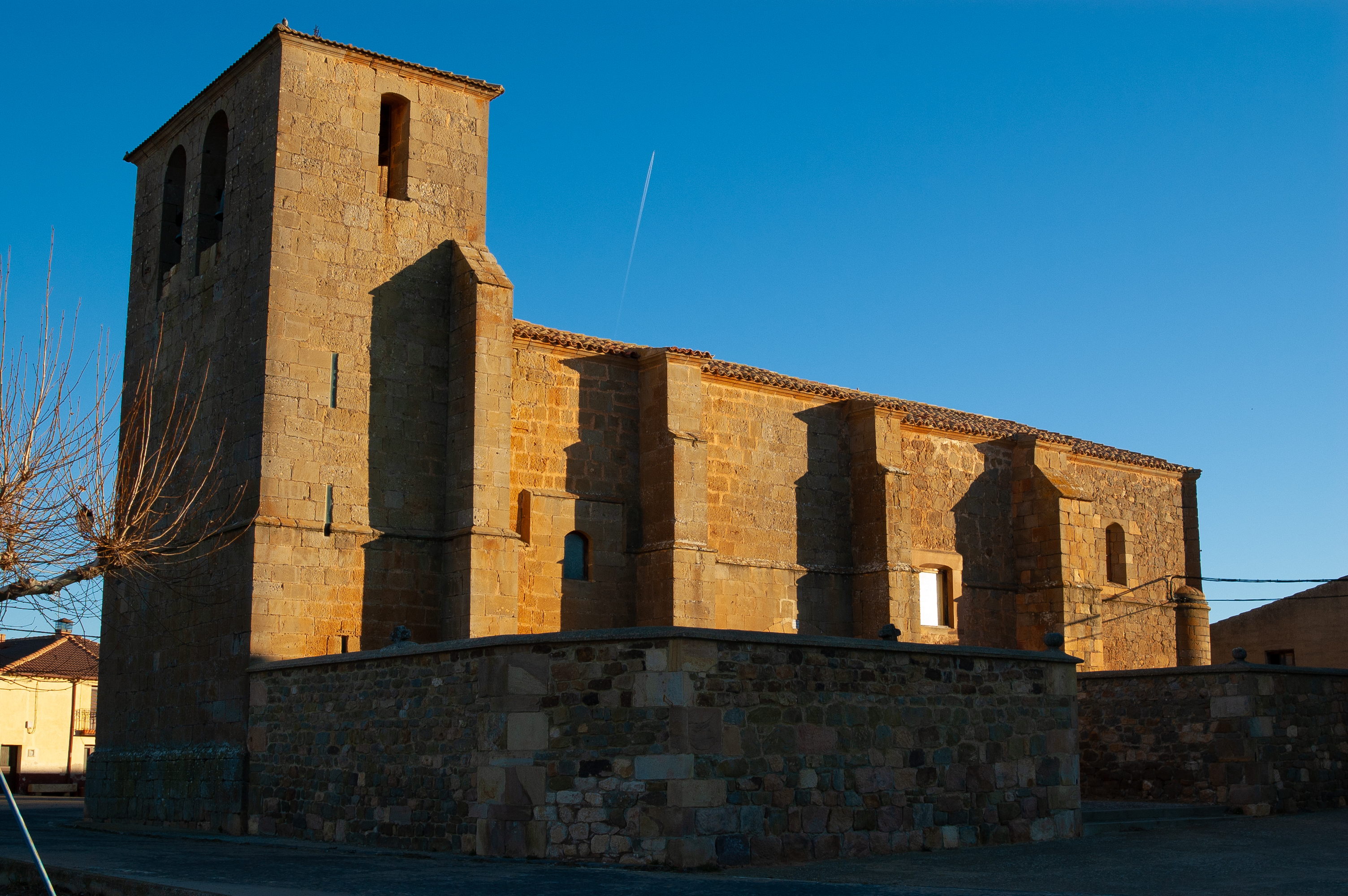
There is also an old tower near the village, of unknown origin, and the Shrine of La Virgen de la Amorosa.
Another interesting site is the old railway station on the Santander-Mediterranean line, today in ruins since it was closed in 1985.
The local gastronomy includes a popular stew known as hormigos or formigos, a kind of fried bread omelette to which fluid food is added, resulting in a dish similar to porridge.
The main festivities in Cabrejas del Campo are those of the Virgin and San Roque, which take place in summer, in mid-August.