

Puntos de Interés

Municipality
Salas de Bureba
This village and municipality of Burgos has a population of around 138 inhabitants and is located at an altitude of 640 metres above sea level. It is one of the villages belonging to the district of Briviesca.
The territory was already occupied by pre-Roman peoples, more specifically by the Vacceans, a tribe indigenous to the Iberian Peninsula with a great agricultural tradition. When the Romans arrived here, they found the land to be poor and the climate harsh, and their settlement in this area led to a reorganisation of the village on several levels, which was also maintained during the Visigothic period, when Salas de Bureba consolidated its markedly rural character.
The following centuries can be organised into three distinct stages. The first of these periods lasted from the 7th to the 9th centuries, during which time the population of the territory increased. A second stage between the 11th and 13th centuries in which most of the villages in the area were built around large temples or constructions like churches, monasteries, fortifications, or over old villages. This is when the rights and privileges appeared. The last stage, from the 14th to the 15th century, saw a significant population stagnation.
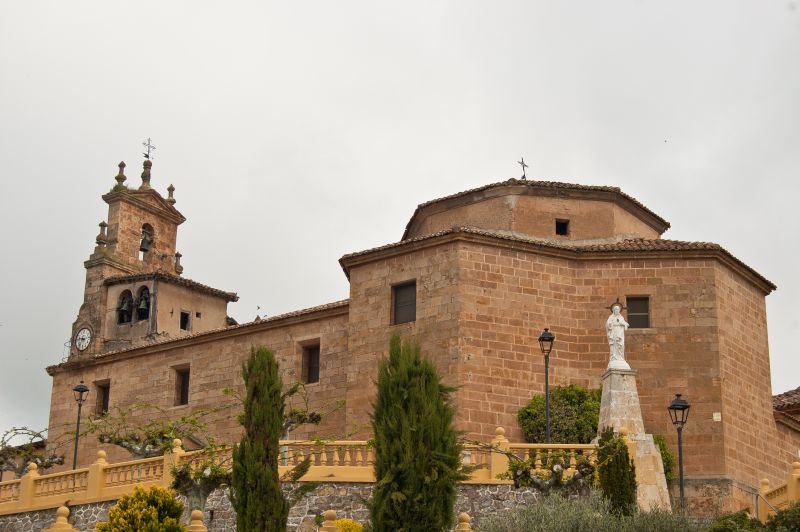
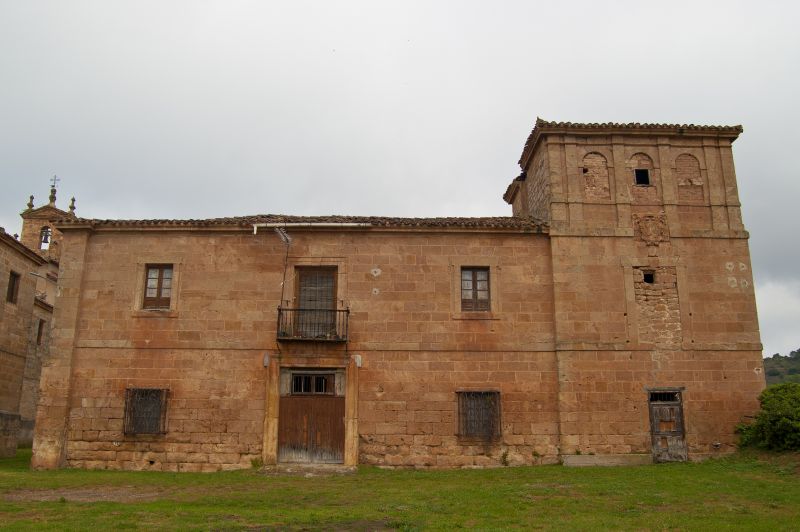
In terms of the heritage of the municipality, the most important are the Church of Santa María, in neoclassical style and built in the late 18th century over a previous Romanesque style temple; the Shrine of Cristo del Ecce Homo, built in the 16th century in a rural style with parts of Gothic; the Shrine of Santa Cruz, today in ruins and from which the Byzantine image of the virgin that is currently located in the local church comes from. The town's civil architecture includes the 16th century Rectory House with typical Spanish Renaissance elements; the late 19th century Town Hall; and several houses dotting the streets emblazoned with coats of arms on their façades dating from back to the 17th and 18th centuries.
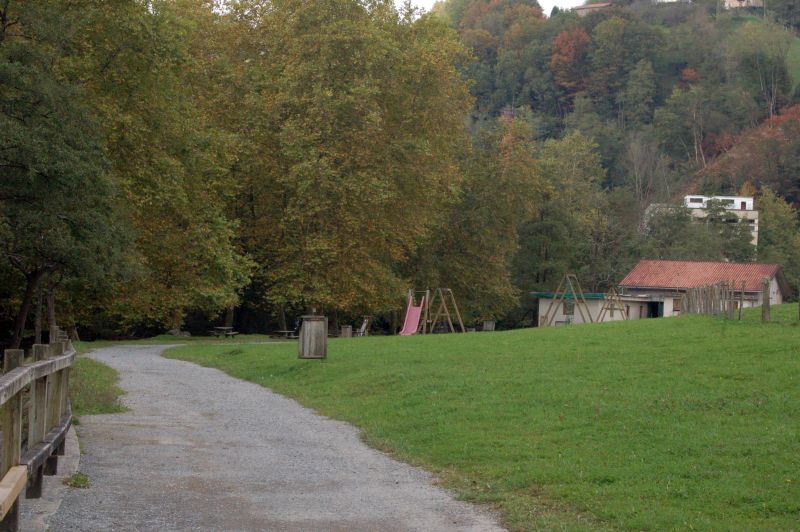
As for the town's natural surroundings, it is easy to discover its environmental heritage thanks to the numerous hiking trails starting from the town centre and heading out into the landscapes that surround the town. Two of these routes are characterised by the fact that they follow in the footsteps of the riverbeds that run through the area, as they follow the trail of the Los Molinos stream and the River Homino. Another route climbs up to 979 m to guide walkers to Peña Alborto. However, the most outstanding and popular route in the natural enclave that surrounds Salas de Bureba is the one that plunges into the Caderechas valley, where we find around 50,000 cherry trees.
The most significant local festivals are the Fiestas de Quasimodo, which take place between 9 and 11 April. Another big date on the calendar for the whole municipality is from 9 to 11 July, when the San Zenón festivals take place. Also noteworthy in this municipality are the traditional festivals of the Dances, typical dances that have their own name: La Reata, La Valenciana or La Caracolada; and in which the main character is known as “bobo”.