

Puntos de Interés

Municipality
Castellanos de Bureba
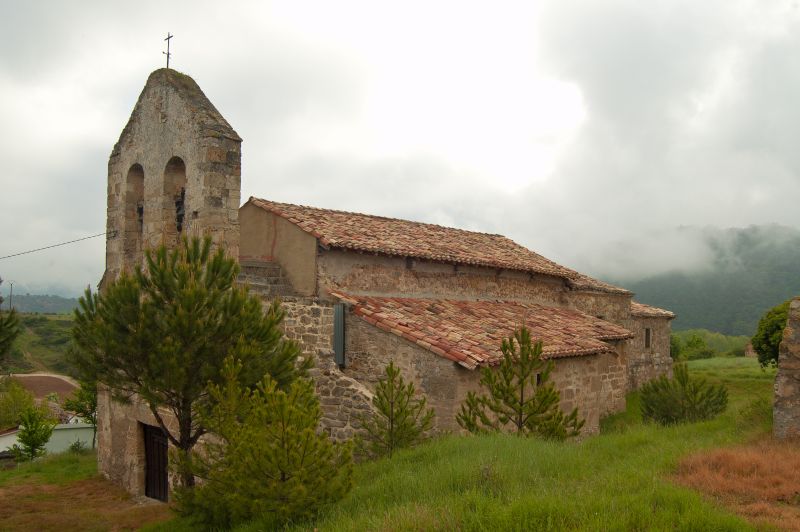
Castellanos de Bureba is a small hamlet belonging to the municipality of Oña, in the heart of the province of Burgos.
In the surroundings of the municipality it is possible to find sites indicating it has been inhabited since prehistoric times. In the shelter of the rocky formations that border the municipality there are Palaeolithic remains in sites such as the Cueva de El Caballón, La Blanca, the Cueva Los Moros and the Cueva de Penches. In the Middle Ages, the municipality became particularly important thanks to the establishment of the Monastery of San Salvador at the beginning of the 11th century, on which the development of this area of Burgos depended to a large extent.
The heyday of the monastery and its surroundings lasted for several centuries until the 19th, when it suffered the ravages of the Napoleonic troops during the War of Independence. This was compounded by the subsequent confiscation of Mendizábal, which resulted in the Monastery of San Salvador losing much of its power and relevance in the surrounding area. By the end of the century, the Order of St. Ignatius of Loyola had converted the building into a college and Pontifical University. The monastery was finally acquired in 1968 by the Provincial Authority of Burgos, which transformed it into a hospital. It is currently open for tourist visits.
As well as this monastery, which can be visited in the vicinity of Castellanos de Bureba, the town's heritage attractions include the Church of La Degollación de San Juan, as well as a coat of arms representing the standard of the Cortés family, one of the most powerful in the town, on the façade of one of the most typical houses in the municipality.
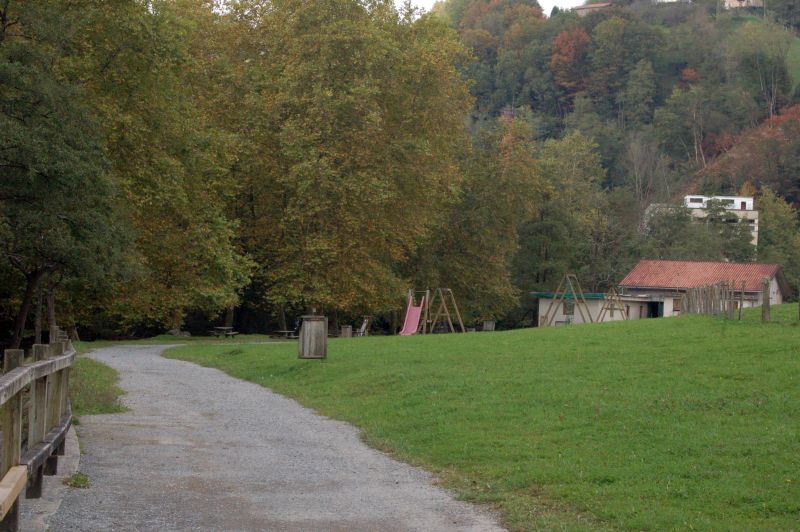
Castellanos de Bureba also boasts some nature attractions, such as the River Homino, which flows through the municipality of this small village. The Oña mountains and the Caderechas Valley are the two more areas that surround the town and provide it with a privileged natural environment and unique landscapes.