

Puntos de Interés

Municipality
Medina de Pomar
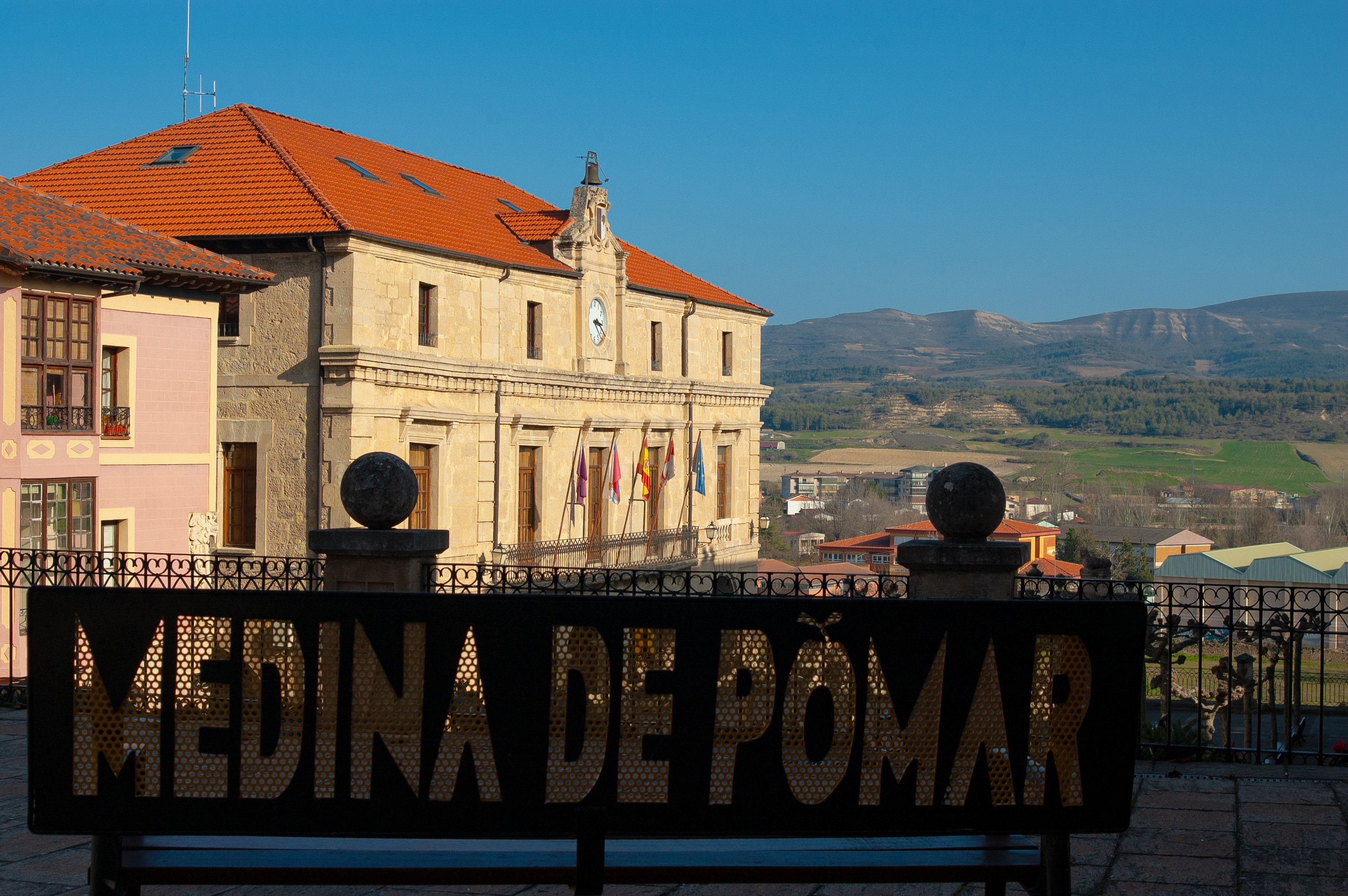
In the north of the province of Burgos is Medina de Pomar, the most populated municipality in the region of Las Merindades thanks to its 18 districts and 17 neighbourhoods. The rivers Nela and Trueba embrace this town surrounded by cereal fields, the pines of the Losa forest and the peaks of the Sierra de la Tesla.
As for the origin of its name, some experts indicate that it has a double origin: on the one hand, Medina is a term coming from the Arabic meaning "city", while Pomar would have its origin in Latin, and refers to a "place of apple trees". Thus, it could be said to refer to "the city of apple trees".
Although the foundation of Medina de Pomar is attributed to Mozarab groups during the Repopulation, its historical origins can be traced back to pre-Roman times. At that time, it was part of Cantabria and was integrated, after being subdued by Rome, into the "Legal Convent of Clunia". The first mention of the town dates back to 1107, when it was known as Medina de Castella Veteris, a name that was changed to Medina de Pumar during the Christian conquest to differentiate it from other towns called Medina in the extensive region of Castilla la Vieja. In 1202, during the repopulation carried out by Alfonso VIII, it is mentioned for the first time under the name of "Pumario".
The book Becerro de las Behetrías indicates that Medina was always royal property until, in 1369, Henry II of Trastámara rewarded Pedro Fernández de Velasco by granting him the hereditary lordship in recognition of his services. From then on, the Fernández de Velasco family extended its influence in the north of Burgos. In 1894, Maria Christina of Habsburg-Lorraine granted Medina the title of city, and in 1973 it was declared a national historic-artistic site. The city was visited by illustrious figures such as Charles V, whose travels are still commemorated with events such as the festival of regional tourist interest held in October.
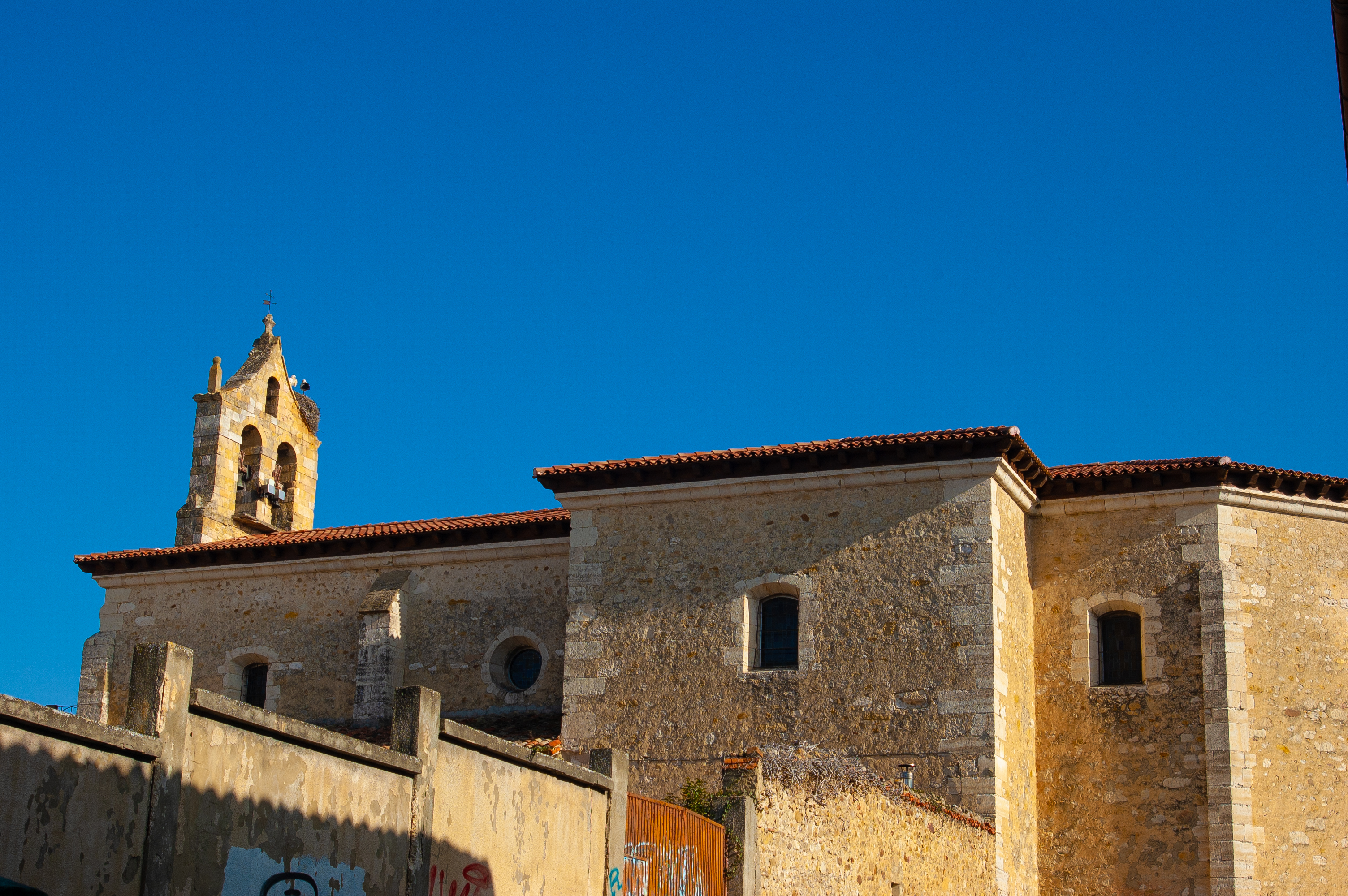
In terms of architectural heritage, Medina de Pomar has three Assets of Cultural Interest that are worth a visit. The first is the Alcázar de los Condestables, popularly known as the castle of the Velasco family, which was ordered to be built in 1370 by Pedro Fernández de Velasco, the Camarero Mayor (Lord Chamberlain) of King Henry II. It is notable for its two quadrangular towers attached to each side of a central body. It is currently the headquarters of the Historical Museum of Las Merindades. The second is the Monastery of Santa Clara, very close to the chapel of San Millán and the old Hospital de la Vera Cruz. The well-known Lords of Velasco chose this place to establish their family pantheon. It currently houses the Museum of the Constables as well as a beautiful guest house. Finally, mention should be made of the Návagos Tower, which has four floors and was built in the 16th century, at the top of the village.
Another of the most outstanding elements of the municipality are its festivities. The patron saint festivities are those of the Virgen del Rosario and take place on the first Sunday in October. There are also minor festivals such as those of San Isidro, on the Saturday closest to 15th May, when a mass is held in the chapel of Rosario and a procession with the image of the saint.