

Puntos de Interés

Municipality
Villarcayo
Villarcayo de Merindad de Castilla la Vieja is a municipality made up of the towns of Escaño, Escanduso, Tubilla, Cigüenza, Horna, Villarcayo, Santa Cruz de Andino and Villarías.
The capital of the Las Merindades region is located in a valley of considerable size and is crossed by the waters of the river Nela. According to experts, its name could be related to the "Villa de Arcadio", a Hispano-Roman anthroponym. In 959, the first mention of the town is found in the Cartulario de Cardeña, in a deed of donation made by the daughter-in-law of Fernán González, Count of Castile, Burgos, Álava, Lantarón and Cerezo. Similarly, in another donation document from the 11th century, there is evidence of the mention of "Fonte Archayo". In this case, it is the transfer of a cenobil (monastery) made by the counts Sancho García and Urraca and recorded in the cartulary of the monastery of San Salvador de Oña. It was not until more than half a century later that this municipality began to be known by its current name.
In 1560, Doctor Mendizábal granted Villarcayo the title of Capital of the Seven Ancient Merindades, which marked the beginning of its growth. Some buildings from that period, together with more modern ones, constitute today its valuable heritage.
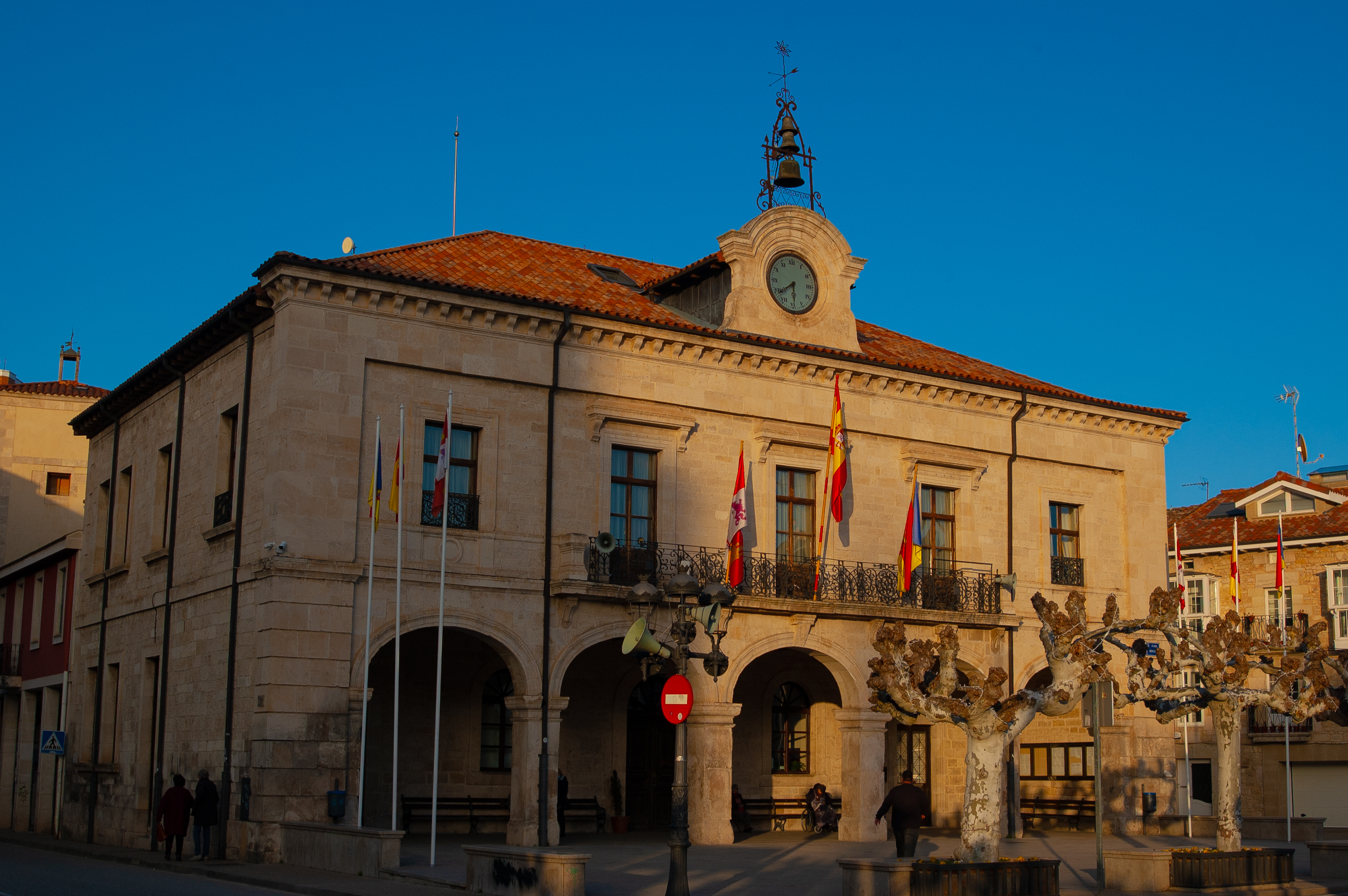
Among the places of interest are the group of manors in Santa Marina street, the Plaza Mayor (main square) with its glazed galleries, the Torre del Corregimiento, where historical documents of Las Merindades are kept; the Town Hall, built in 1891, and the Casa de Justicia and Cárcel (House of Justice and Prison), with its 16th century Clock Tower.
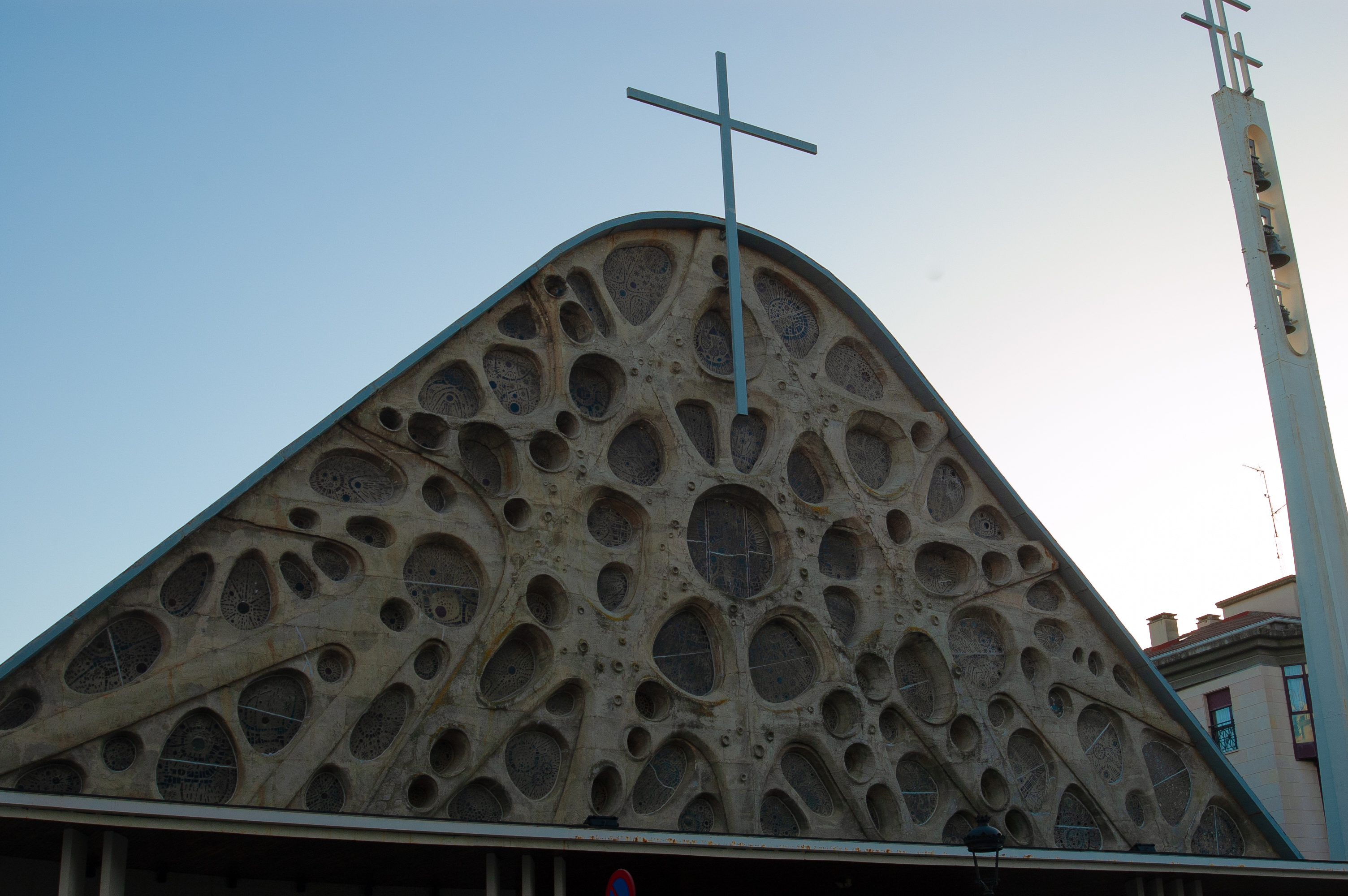
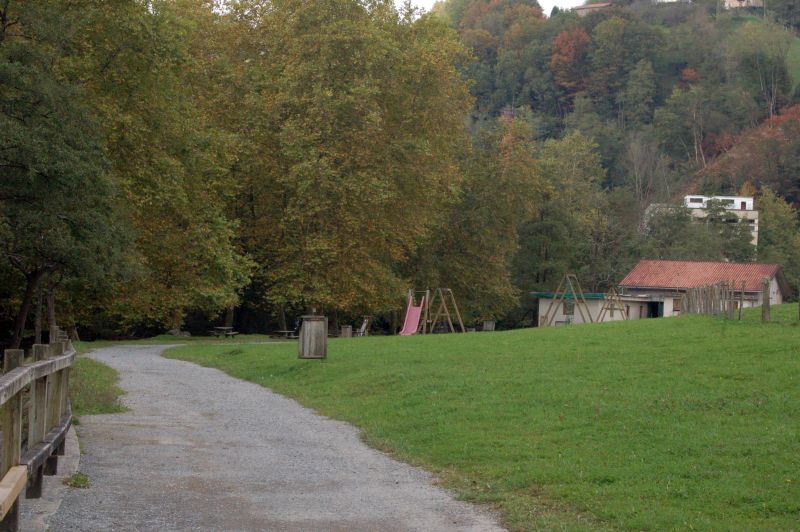
Also outstanding are Santa Marina street with its 17th and 18th century houses, the museum of Santa María la Real de Vileña, where there is an outstanding collection of Gothic tombs and the tombs of the Rojas family, made of polychrome wood. Here you can also see the 14th century carving of Santa María de Vileña, the Calvary, the fresco of the Risen Jesus Christ and an important collection of documents. In addition, the green space of El Soto and the modern parish church of Santa Marina, with its original stained glass windows, are other places of interest.
It is worth mentioning that Villarcayo houses three main archives: the Archive of the Corregimiento, the Archive of the town of Villarcayo and the Archive of the Merindad de Castilla la Vieja. These archives contain important documentary series dating back to the 17th century, including minutes, decrees, land ownership registers, fairs and markets, which reflect the evolution of municipal management and relations with other towns and neighbouring places.
Among the most outstanding events in Villarcayo is the verbena de Las Guindas (open-air popular dance), on 17th July, where the typical cherry liqueur can be tasted, on the eve of the festivity of Santa Marina, patron saint of the town. On 31st July, the feast day of St. Ignatius of Loyola, a day of fraternisation with visitors is held. The patron saint festivities in honour of Nuestra Señora and San Roque take place from 14th to 18th August. Finally, it should be noted that since 1571, the town organises a weekly market every Monday.