
Puntos de Interés

Municipality
Cidad
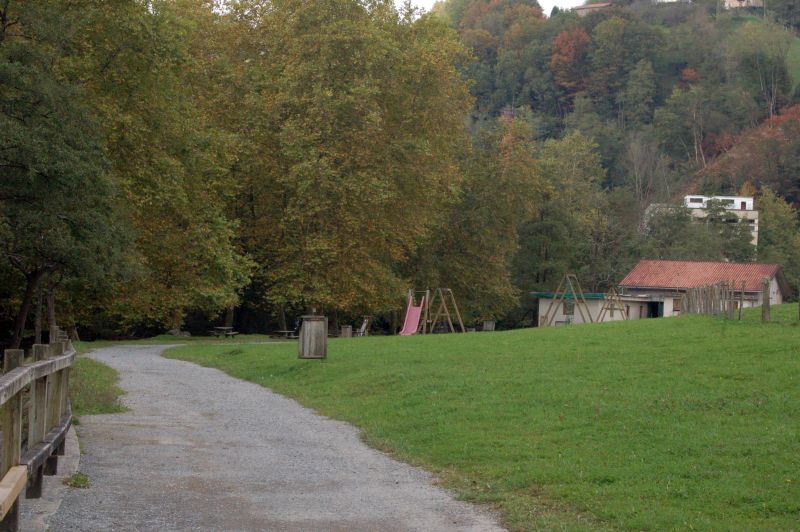
Cidad de Valdeporres is one of the population entities that make up the municipality of Merindad de Valdeporres in Burgos. The municipality also includes the villages of Ahedo de las Pueblas, Brizuela, Busnela, Dosante, Leva, Pedrosa de Valdeporres, Puentedey, Quintanabaldo, Robredo de las Pueblas, Rosas and San Martín de las Ollas.
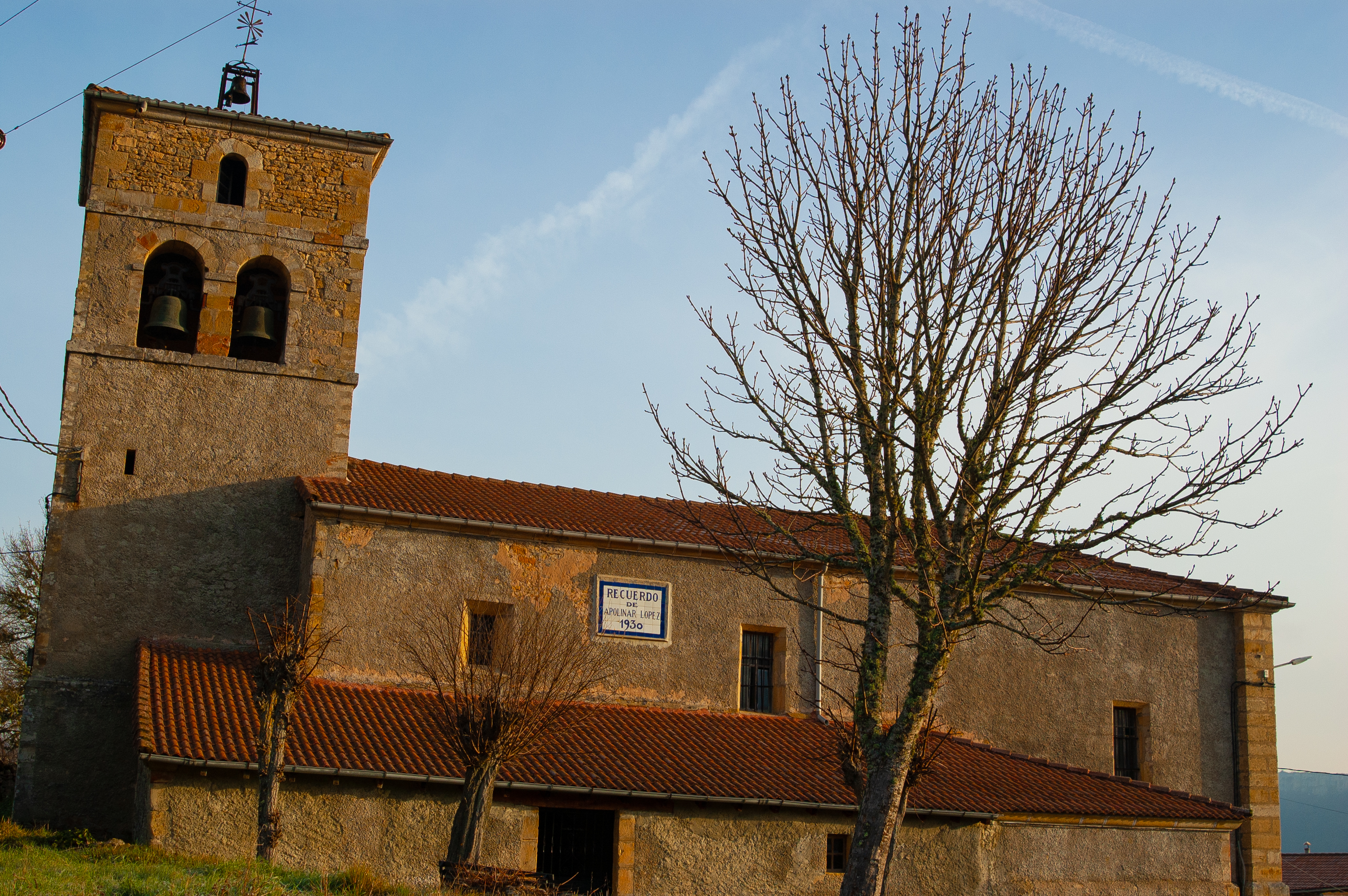
Like other villages in the area, it was described in the Diccionario geográfico-estadístico-histórico de España y sus posesiones de ultramar (Geographical-statistical-historical dictionary of Spain and its overseas possessions), specifically in volume VI. It stated that it was located on a hill of earth and stone and consisted of about 20 houses, as well as a primary school and a parish church dedicated to Santa Juliana. This temple of Romanesque origin can still be found in the village, although the truth is that the Romanesque remains are reduced to three reused brackets in one of the walls under the portico roof. It has a rectangular floor plan and a square bell tower at the base, where the bells are located. On one of the façades there is a plaque that reads "Recuerdo de Apolinar Lopez 1930” (Memories of Apolinar Lopez 1930).
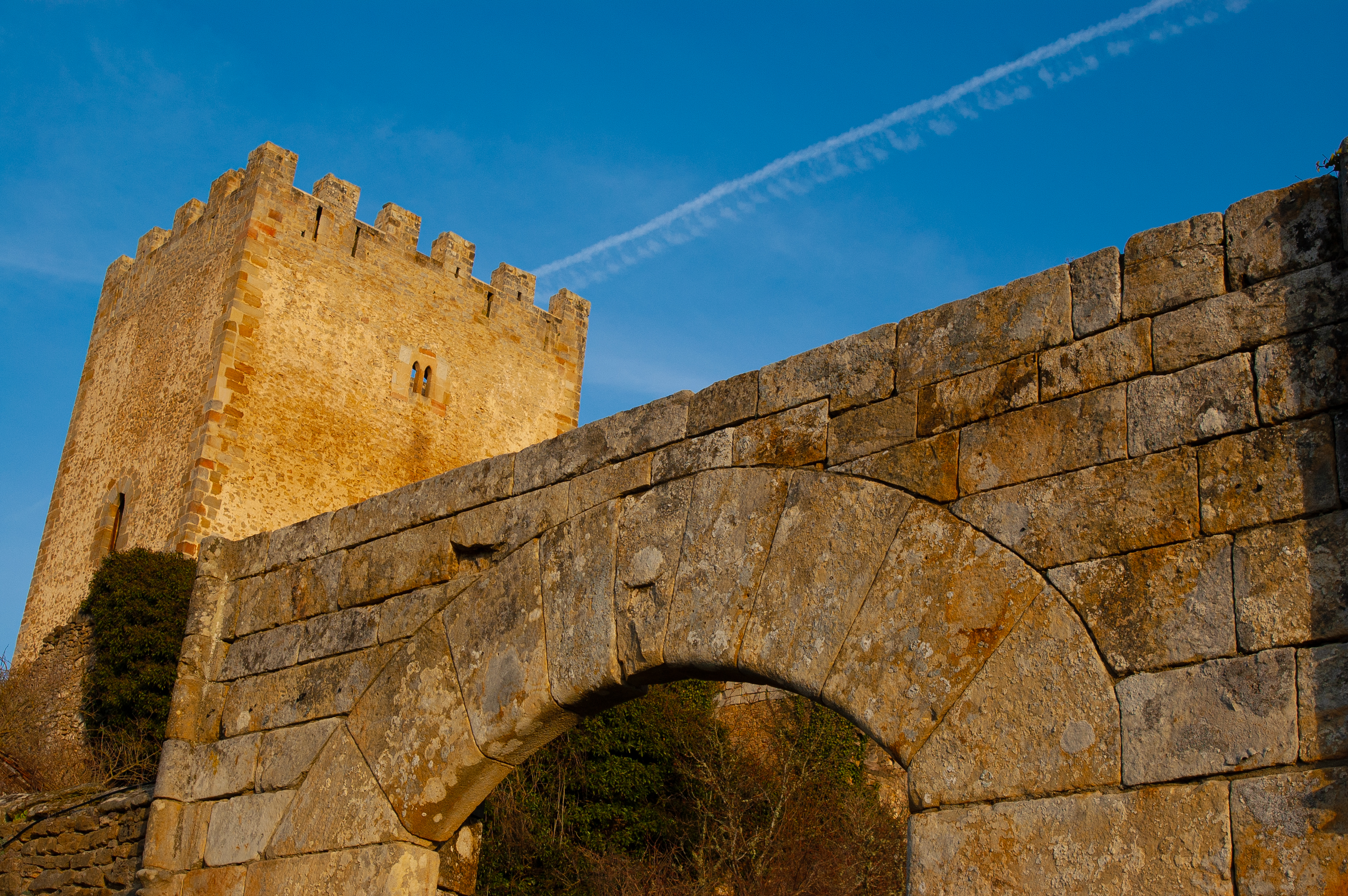
In the hamlet, the Torre de los Porres, an old castle declared an Asset of Cultural Interest in 1949, stands out. It was built during the 15th century and therefore belongs to the Gothic and Plateresque styles. It is built of masonry and its façade is notable for its pointed doors and windows.
The square tower has four storeys plus a mezzanine and is topped by battlements at the top. A palace, also rectangular in plan, is attached to it. The whole complex is surrounded by a barbican dating from the 14th century.
The property, which has also been on the red list of endangered heritage since March 2019, is still in the hands of the Porras family, whose ancestor had this magnificent building constructed. However, the first record of it dates back to 1334, when its owner, Pedro Gómez de Porras, sold it to his son's wife. His father and uncle were noble knights who took part with Ferdinand III, King of Castile, in the conquest of Seville in 1248.