


Puntos de Interés

Municipality
Cigüenza
Cigüenza is a peaceful town that once held the title of capital of the Merindad de Castilla la Vieja. In 1975, this merindad (neighbourhood) merged with Villarcayo, forming a single municipality that now encompasses around thirty villages.
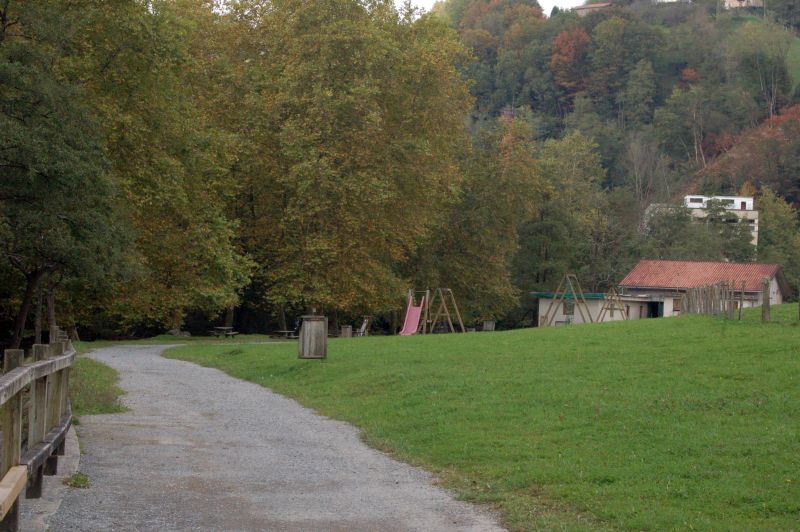
The waters of the river Nela arrive calmly to Cigüenza, creating places as charming as the "Trancos" and dividing the town into two distinct districts: Santa Dorotea, which spreads out at the foot of the chapel of the Virgen de la Tabla, where the hamlet is huddled together, and San Lorenzo, where the parish church of the same name stands out.
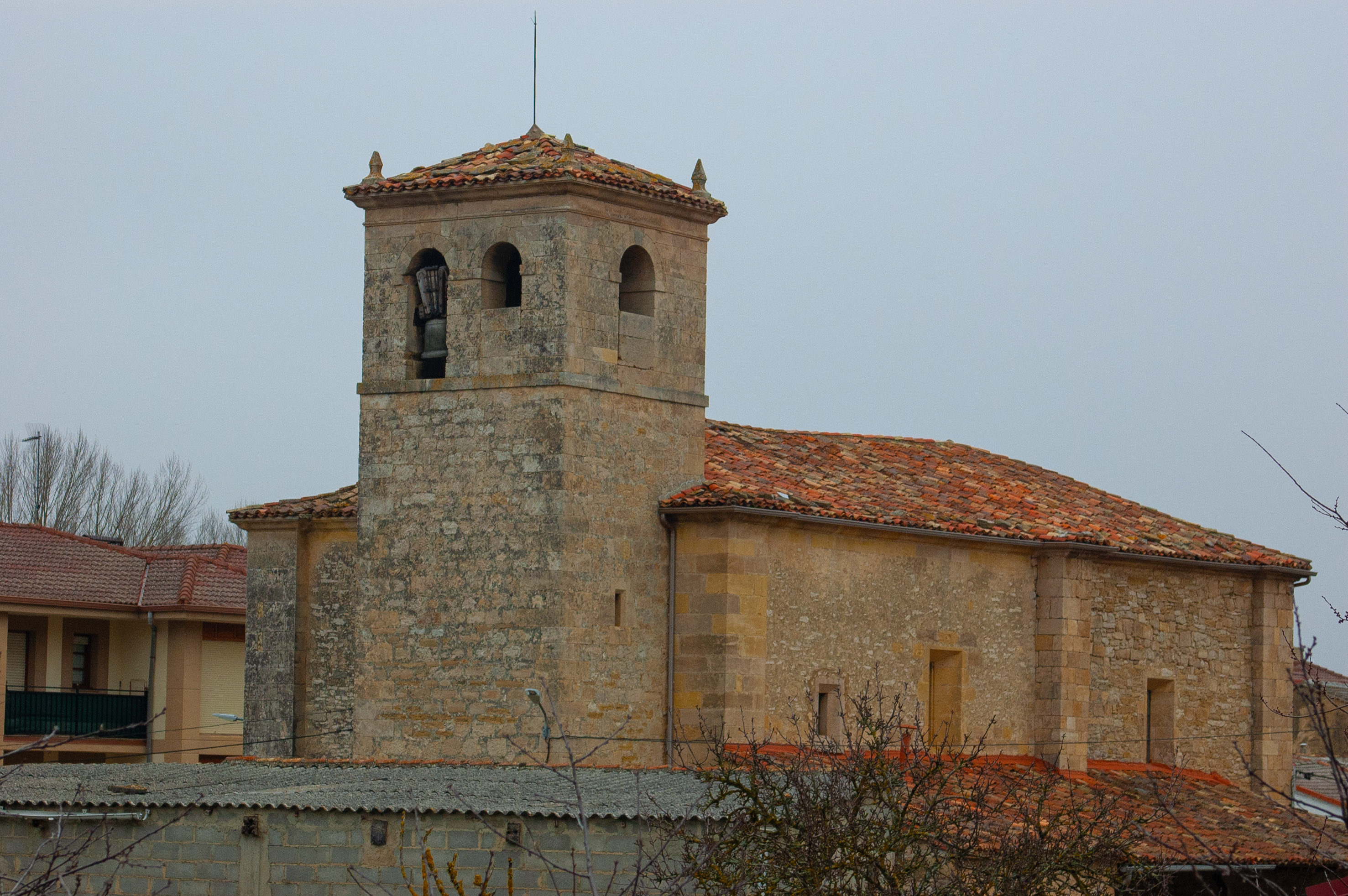
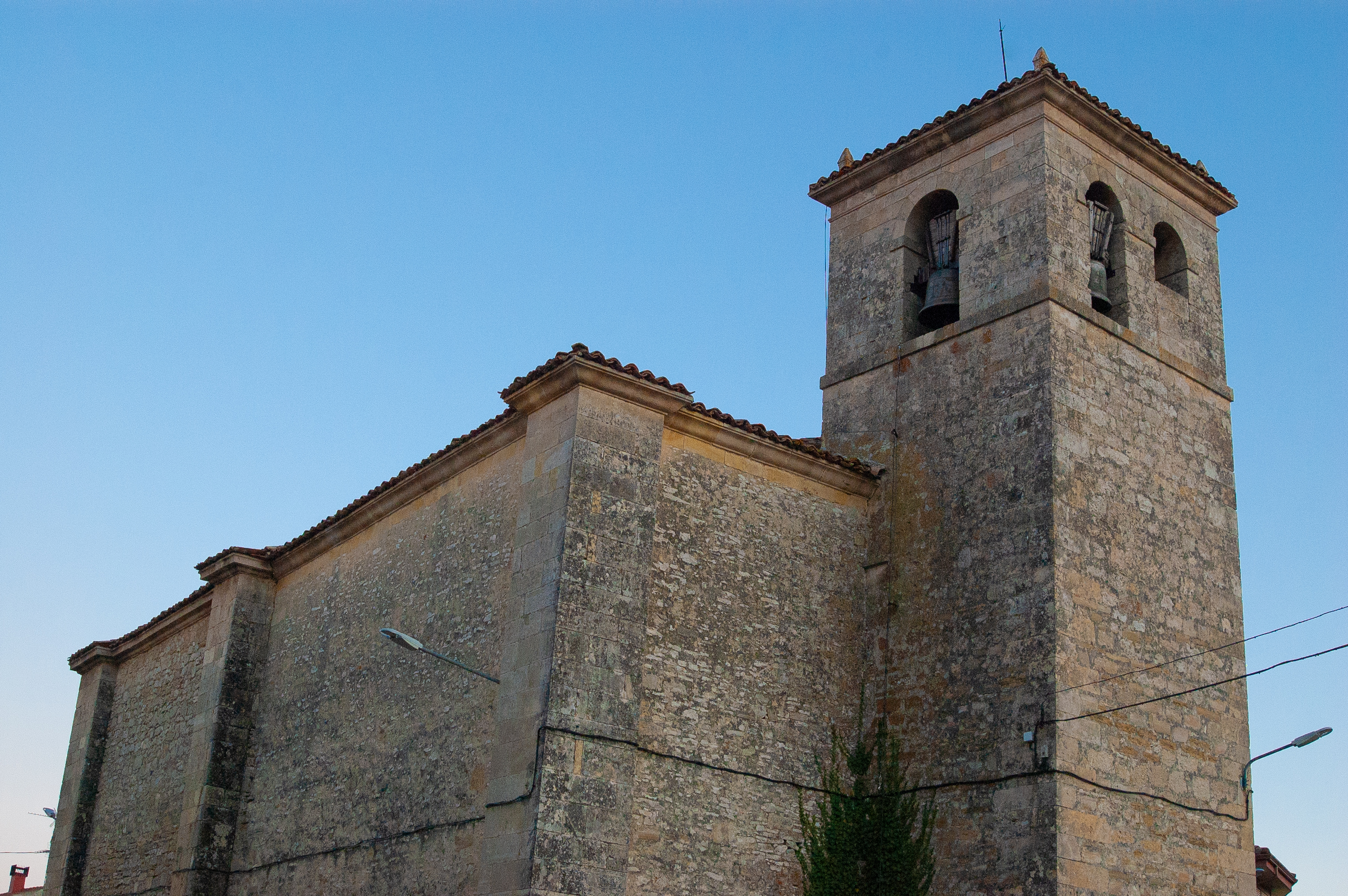
The church is remarkable for its imposing size and magnificent Renaissance architecture, with a single nave of great height divided into two bays. The thick masonry walls, the ashlars at the corners, the lack of windows and the buttresses are prominent features. There is a choir at the foot of the church accessed by a wooden staircase, and the baptismal font is located below the church. The entrance portico and the bell tower at the foot of the church stand out. Inside, the liturgical furnishings are sober, and the main altarpiece reserves a central space for the patron saint.
Another outstanding heritage site in Cigüenza is the chapel of Nuestra Señora de la Tabla, built in the 18th century. The building is located on a hill from where a magnificent panoramic view of the Merindad de Castilla La Vieja can be enjoyed. According to the legend, a girl who fell into the river Nela was saved by the apparition of the Virgin, who offered her a board to hold on to. The local festivities of Nuestra Señora de la Tabla are held on 9th September.
Special mention should be made of the village's estate, where the traditional architecture of the area is displayed, showing traits of the mountain houses. The houses here have a rectangular plan, a hipped roof and a symmetrical façade. The openings are lined with ashlars, and there is usually a wooden balcony on the upper floor and a doorway covered by a canopy that gives access to an inner courtyard.
History lovers can take a stroll through the Necropolis of San Andrés, an ancient cemetery of an early medieval settlement made up of some thirty anthropomorphic tombs carved into the limestone rock. Many of these tombs correspond to individuals of a young age, according to their dimensions.
Finally, it is worth mentioning that, to the south of the town, the Santander-Mediterranean Sea railway line, nowadays converted into a Nature Trail, used to run through the town.