

Puntos de Interés

Hydrography
Laguna del Acequión
The Laguna del Acequión is an ancient wetland near the city of Albacete. From its name, which comes from the Arabic word as-saquia or acequia, we understand that the origin of this place must have been an old irrigation channel or watercourse, already existing in the Muslim period, next to which a small settlement was established.
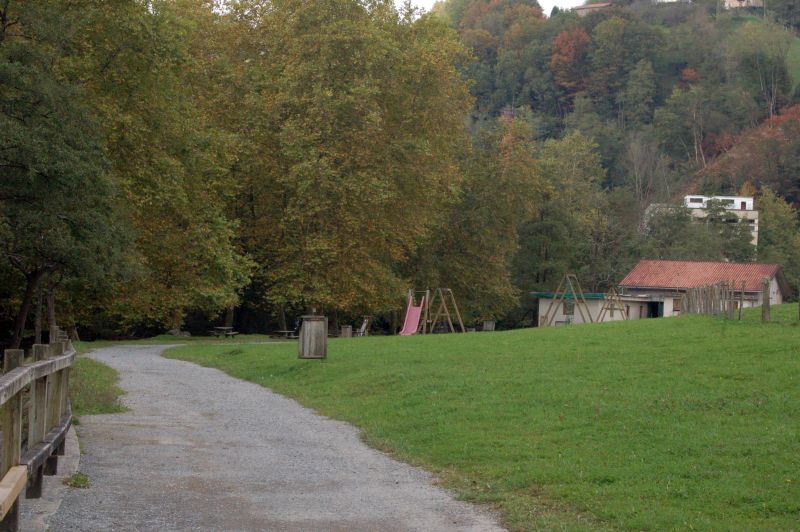
Although the area is now dry, it was originally an extensive body of water. As we approach this territory, we find grey earth that corresponds to gley formations, very common in soils that have remained waterlogged for a long time. This is therefore the old bed of the primitive lagoon. There is also an infrastructure in the area, which may be a kind of wall or dam, located at the end of the channel and surrounded by vegetation of different types.
Wetlands such as this one are typical of places with an abundance of limestone. In this case, differential erosion initially led to the dismantling of the limestone layers close to the surface. After this event, the marlstones were rapidly destroyed, until they reached the impermeable clays located on the floor of the lagoon, where this process was halted.
According to the descriptions left by hydraulic workers in the 18th century, the structure of the original lagoon was a kind of closed basin which would later be opened up when the Acequión canal was built. This closed, shallow depression was flooded by a suction effect, until the water reached the water table in the surrounding area. As it was closed, the water could not be evacuated to other areas, mainly due to the existence of a small elevation located very close to the village of Villalba. Due to its small size, the Acequión canal was able to overcome it easily. Once this drainage system was completed, there was a radical drop in the water table, which led to the appearance, on the south bank, of what are known as "descolgados” or “veneros".
The construction of the dam was probably intended to free up waterlogged land and increase the flow of the Canal de María Cristina for use as a driving force, for irrigation or as a means of transport.
In this area we also find the remains of an Iberian settlement from the Bronze Age, known as the "crannog".