

Puntos de Interés

Municipality
El Port de Sagunt
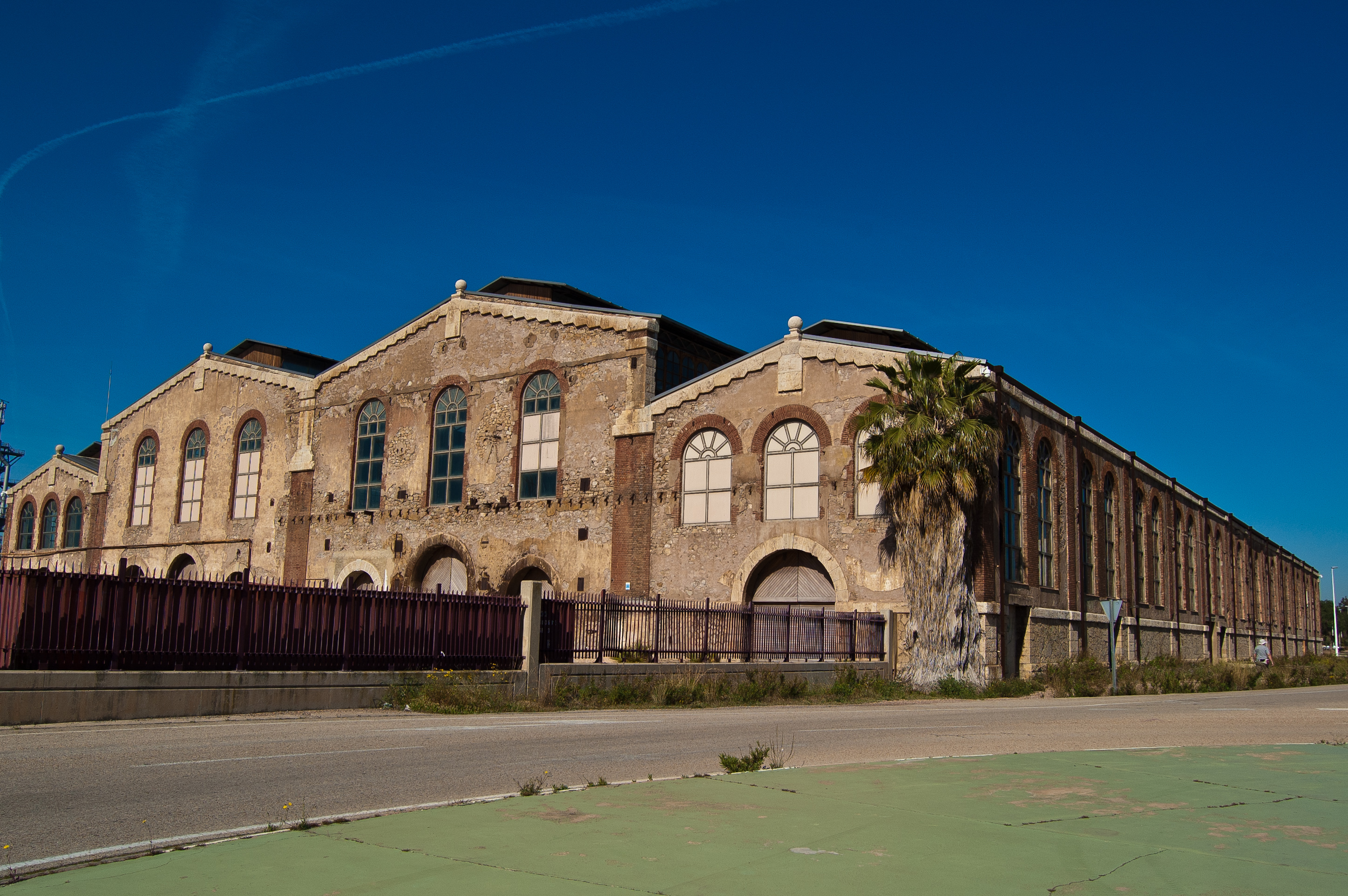
Sagunto is divided into two main urban centres: Sagunto City and Puerto de Sagunto.
Puerto de Sagunto, the more modern of the two urban centres, is situated along the shores of the Mediterranean, approximately five kilometres from the ancient Roman city of Saguntum.
Despite its relatively short history, Puerto de Sagunto has become one of the most significant industrial towns at both the regional and national levels, serving as a prime historical example of a factory town. Traditionally centred around the trade of steel products, Puerto de Sagunto's port activities have evolved with the gradual dismantling of its steel industry. Today, the port has adapted to new sectors, including the handling of natural gas, vehicles, containers, solid and liquid bulk, and short sea shipping.
In terms of architecture, Puerto de Sagunto boasts several notable landmarks, including the modern port facilities. Of particular interest is the Horno Alto nº2, the sole remaining furnace of the three originally used in the port’s iron and steel industry. Built in 1922 and rebuilt in the 1960s, it received the Europa Nostra Award in 2012. Also noteworthy is the Church of Nuestra Señora de Begoña, constructed in 1929, which features influences of traditional Basque architecture in its annex, the Casa Abadía.
The economy of Puerto de Sagunto remains closely tied to the industrial sector, although the steel industry is gradually being replaced by the growing freight transport sector.
The beaches along Puerto de Sagunto's 13 km of coastline represent the municipality's greatest natural asset. Puerto de Sagunto’s beaches, particularly those of the Port, Almardá, Corinto, and Malvarrosa, are internationally recognised for their environmental quality. This is reflected in three Blue Flags, ten ISO certifications for environmental suitability, accessibility and quality, as well as two Q flags for Tourism Quality and two Q flags for Qualitur.
When it comes to local celebrations, the Virgen del Carmen festivals in mid-July are the main highlight, while the first fortnight of August sees festivals in honour of La Virgen de Begoña, featuring the traditional cucañas marítimas or maritime games held at the harbour dock.