

Puntos de Interés

Municipality
Altura
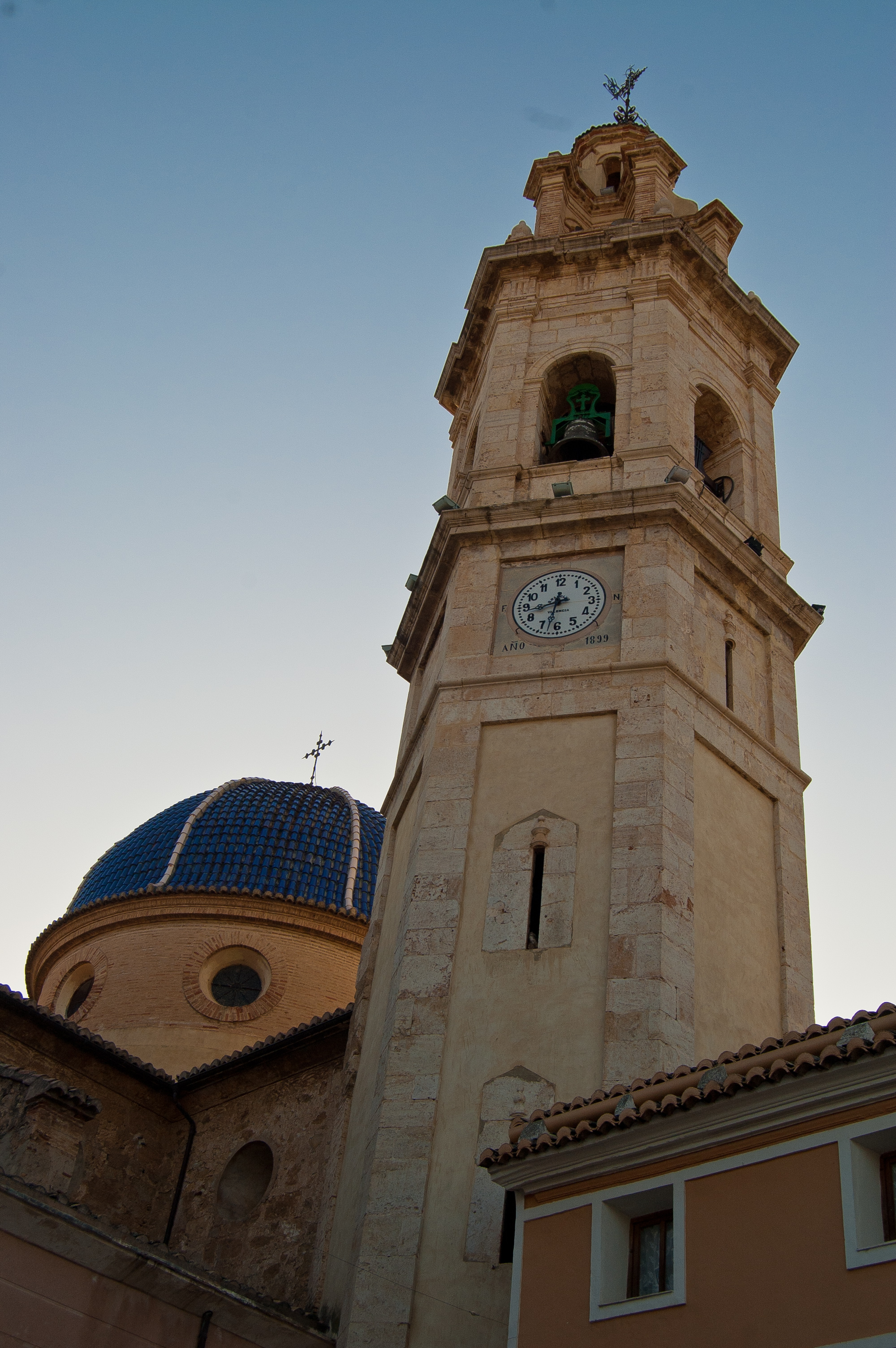
Altura is a municipality and town in the province of Castellón, located between the Palancia valley and the first foothills of the Sierra Calderona mountains.
The sites found in the vicinity of the locality show that this area was populated by Iberian tribes and by some earlier peoples dating back to the Bronze Age. However, the development of the town centre as it is known today would not take place until the arrival of the Moors to the Peninsula in 1251.
In terms of heritage, the most outstanding buildings are the Plaza Mayor, the Church of San Miguel Arcángel, in neoclassical style, with its 16th century altarpiece and a 15th century image of La Virgin de Gracia; the Primitiva Church, in Valencian Gothic style; or the Portalico, which offers access to the town from the Aragón road and the old Altura-Segorbe road. Other buildings worth highlighting in the town centre of Altura are the 16th century Casa Grande; the remains of the old town walls, the Moorish Masía de San Juan farmhouse and the fortified Masía de Cucalón farmhouse.
The 7th century Shrine of Nuestra Señora de la Cueva Santa is built at the bottom of the so-called Cueva Santa or Holy Cave. There is also an impressive network of aqueducts and historic bridges around the streets of Altura.
As for natural heritage, the Torrecilla-Puntal de Navarrete stands out, a natural site characterised by its hydrology and geology, from which many hiking paths start, but the main highlight here is the Iberian archaeological site.
Local festivals here include those of San Antón and the patron festivals during the month of September, and the Festival of El Berro, celebrating the first time water flowed from the El Berro spring, on 25 March 1915.