

Puntos de Interés

Municipality
Alfara de la Baronia
Alfara de la Baronia is a Valencian village situated in the comarca of Camp de Morvedre, at an altitude of 70 metres above sea level, with a population of 546 inhabitants.
The town is home to remnants from various periods, ranging from the Palaeolithic to the Iberian period, including notable finds like el testar de la Riera. It also features artefacts from the Roman and Islamic periods, with a diverse collection of pottery, ceramics and terracotta domestic artefacts, bricks and tiles.
This town is already marked on the map of the Roman Empire; however, following its decline, it became something of a rural backwater. During the Suevian and Visigothic invasions, the village was not of great significance, although it was during this time when the town got its name. During the Reconquest, it was James I the Conqueror who captured the village, which then became part of the Barony of Torres Torres a Bertrà de Bellpuig. Subsequently, the village changed hands between various noble families until 1780, when the baronship was abolished, with the Castellví family being the last barons of the town.
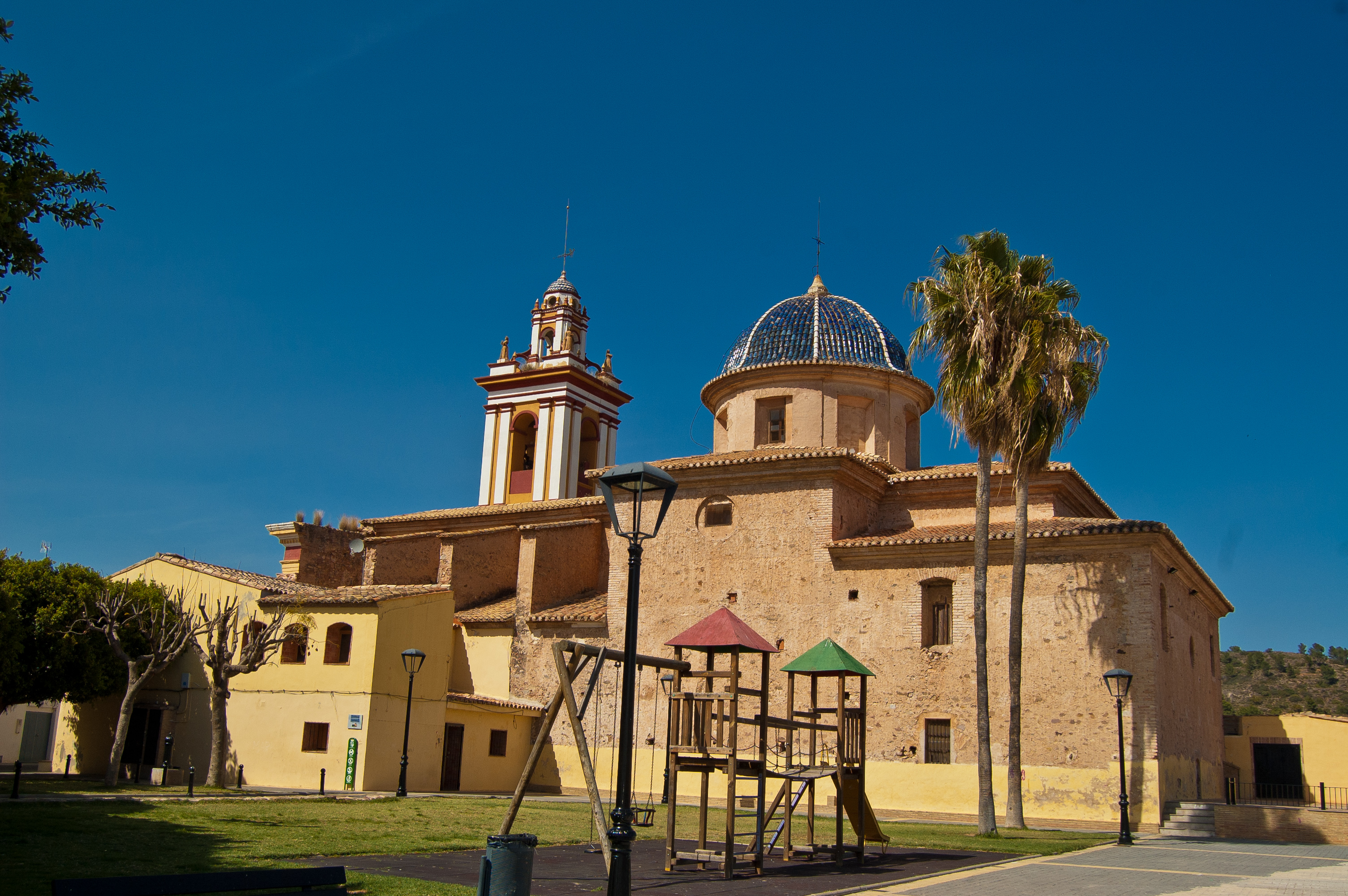
In terms of architecture, notable buildings include the Church of San Agustín Obispo, built in 1593 and extended between 1799 and 1816. Featuring a Latin cross floor plan, a dome, and three side naves, the interior is distinguished by its frescoed paintings, with the image of Saint Augustine presiding over the space. The town’s architectural ensemble features several notable landmarks, including Plaza de la Mare de Déu, the Shrine of Nuestra Señora de los Afligidos, built in 1699, and an historic washing spot.
The town celebrates two important festivals in honour of its patron saints: on 28 August for San Agustín and on 8 September for its patroness, La Virgen de los Afligidos.