

Puntos de Interés

Municipality
Soneja
It is a town situated in the Alto Palancia region, with a population of approximately 1,520 inhabitants.
Archaeological sites in the town reveal evidence of human presence dating back to the Palaeolithic period, as evidenced by locations such as Alto del Pinacho. Remains from the Bronze Age have also been discovered, although the majority of the findings are from Iberian settlements. A Roman villa dating back to the 2nd and 3rd centuries has also been uncovered in the Zorrilla district. During the later Moorish occupation, the site of the Fuente de Escalas stands out, where a mining operation was once active. During this period, the town took on the location and structure it retains today, particularly under the rule of the Berber Sanhaja tribe, who settled in the area around the 12th century. This event significantly shaped the town’s history, as the expulsion of the Moors in 1609 left Soneja depopulated. However, on 27 November of the same year, the Town Charter was signed with the Lord of Soneja, José Folch de Cardona, initiating the repopulation of these lands.
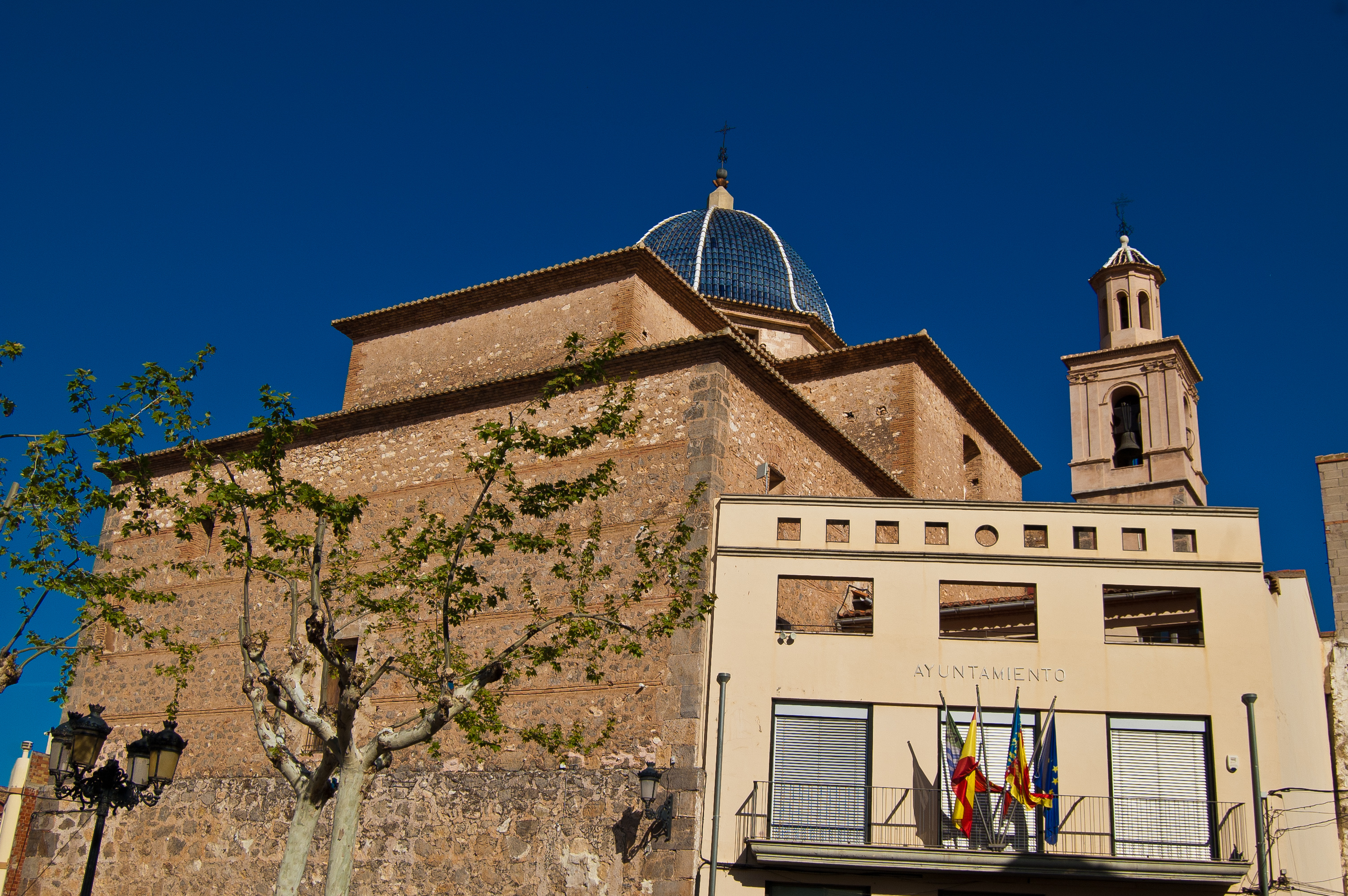
Soneja has an important architectural heritage. In addition to the numerous archaeological sites previously mentioned, there is the Palace of the Dukes of Montellano, a Gothic mansion dating from the 15th-16th centuries, and the Church of San Miguel Arcángel, a Rococo-style temple erected between 1751 and 1768. The Campanario, housing a valuable collection of bells, alongside the chapels of San Francisco Javier and Cristo de la Providencia, also known as Calvario. Also noteworthy are the Carlist Wall, as well as several fountains, washing places, and water troughs.
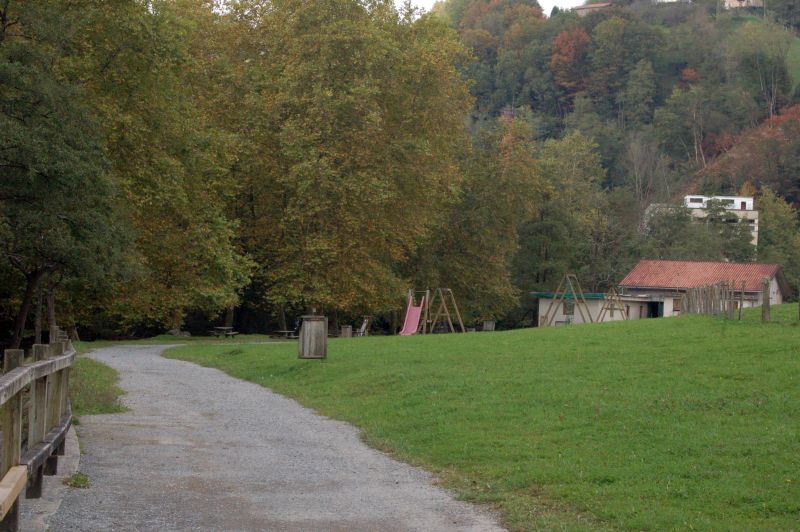
Among its most remarkable natural heritage are La Dehesa, a designated municipal nature park, and the trail leading to the Altos de Palomera.
The most important local festivals are Easter Week, the patron saint celebrations in honour of El Santísimo Cristo de la Sangre and San Miguel Arcángel take place during the last week of September. Other notable events include the bullfighting festival week and the Jornadas Culturales (Culture Days).