


Puntos de Interés

Municipality
Algar de Palancia
This is the first village in the province of Valencia on the Ojos Negros Greenway route. It is part of the Camp de Morvedre region and is situated between the Sierra de Espadán and Sierra de Calderona mountains.
The village is of Arab origin, captured by James I the Conqueror in 1238, and later granted to Raimundo Morelló, who in turn handed it over to the Orden de la Merced. The Moors were expelled from the area in 1609. As a result, the municipality was nearly depopulated, although it gradually began to recover a year later through repopulation by Christians from other regions of the kingdom, primarily from Catalonia and Aragon.
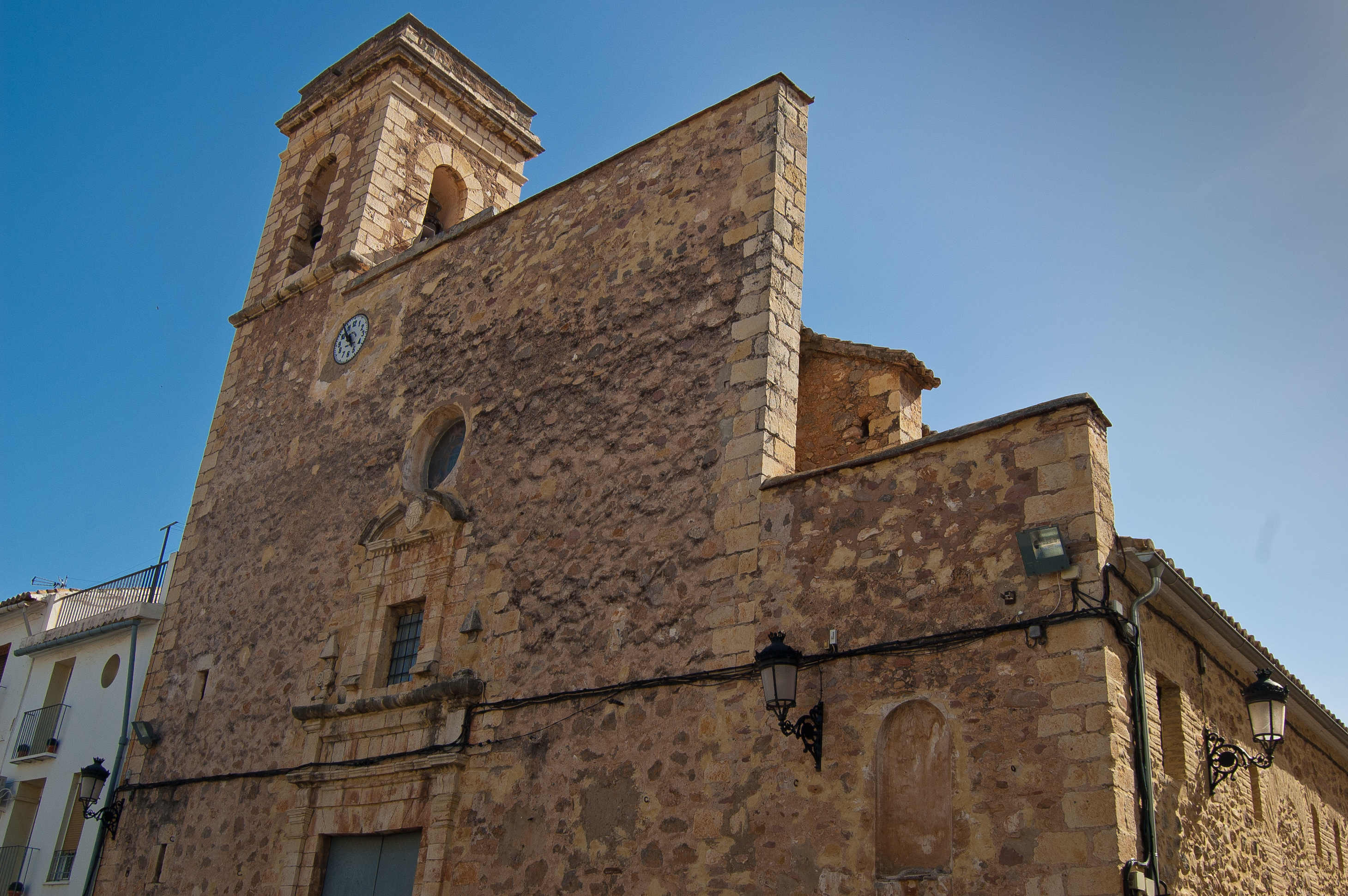
Among the most notable architectural elements of the town are the church and the town hall. The church, dedicated to Nuestra Señora de la Merced, is an 18th-century Baroque-style building featuring a single nave with two side chapels set between the buttresses and a rectangular presbytery. The main exterior showcases the Mercedarian coat of arms, along with angels adorning the cornices, fleurons embellishing the vault, and Rococo-style arches highlighted in gold against a white background. The 13th-century Moorish tower, now home to the town hall, originally functioned as a watchtower, safeguarding the town from enemy incursions.
With regard to its natural heritage, this municipality is situated in an area of significant ecological value, shaped by the course of the River Palancia and the mountain ranges that border it, making it an ideal setting for a wide range of outdoor activities connected to the natural environment.
Festivals held here include: the celebrations in honour of San Antonio, the exciting bullfighting week, and the patron saint celebrations dedicated to San Pedro Nolasco and Nuestra Señora de la Merced.