

Puntos de Interés

Municipality
Sagunto
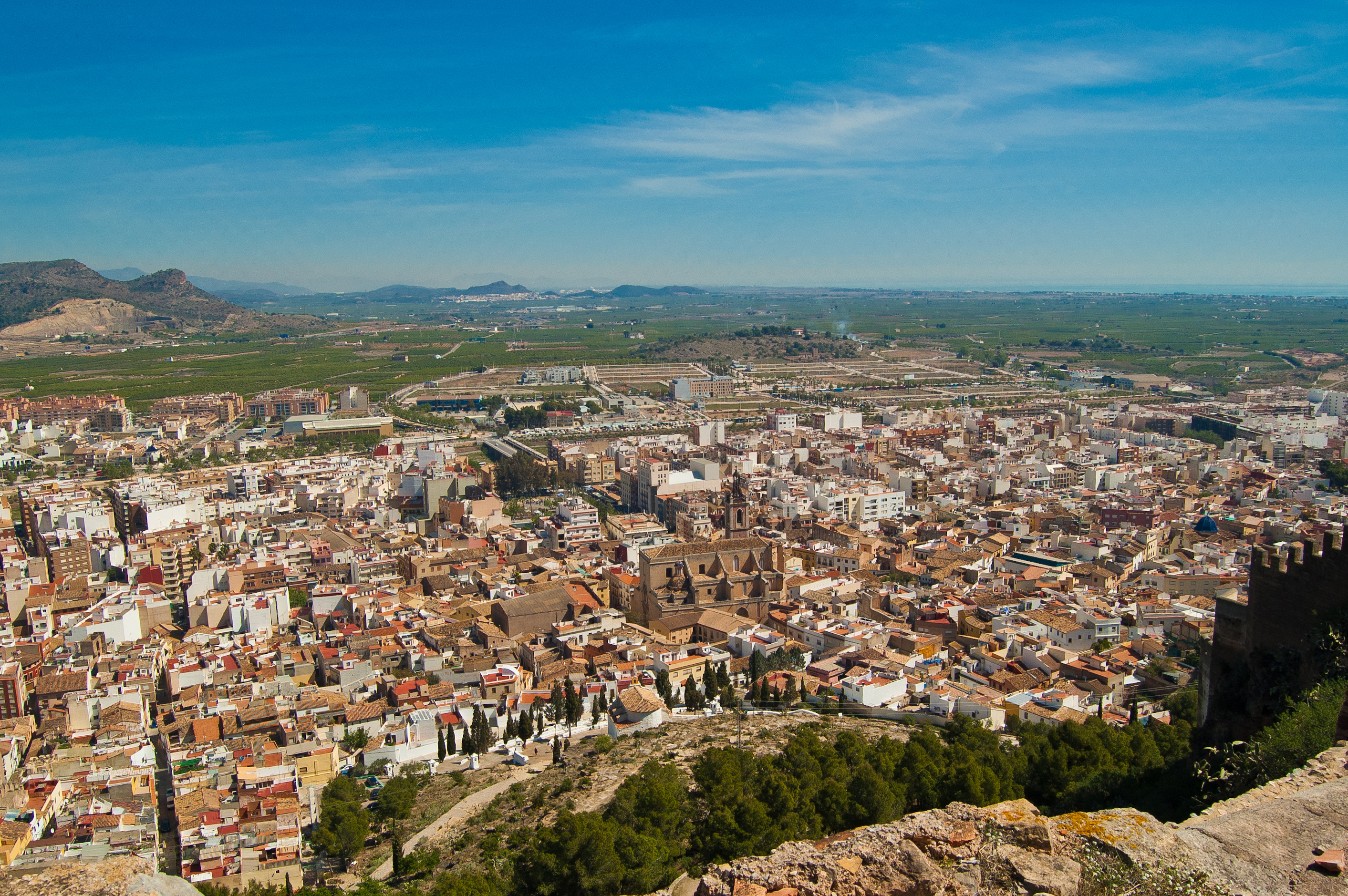
Sagunto is the capital of the Camp de Morvedre region in the Valencian Community. It lies at the foot of a hill in the Sierra Calderona mountain range. The municipal territory is divided in two: Sagunto City, situated between the castle hill and the river, and Port of Sagunto, located along the Mediterranean coast.
It is strategically located, a position that has played a crucial role throughout its history. You can see this in the archaeological remains discovered at several sites around the castle, where the first settlers from the Bronze Age established themselves. Later, the Iberian city of Arse emerged, which was occupied by Hannibal before being captured by the Romans in 214 BC. This marked the beginning of the city's period of greatest prosperity under Roman rule. Following the fall of the Roman Empire, Sagunto was controlled by the Goths, Alans, Vandals, and Byzantines. It wasn't until the 8th century that the city was conquered by the Arabs. In the first part of the 13th century, Sagunto was later captured by James I the Conqueror during his campaign.
Among the city's architectural highlights are the castle, an ancient defensive fortification that crowns the city; the Roman Theatre, built in the 1st century and located on the slopes of the hill supporting the castle; and the Historical Museum of Sagunto, housed in the Casa de Mestre Penya, which showcases a significant collection of artefacts from the city's rich and varied history. Also notable is the Casa dels Berenguer, a Gothic palace from the 14th-15th century with Renaissance influences, now home to the city's Visitor Information Centre. The town's religious heritage is highlighted by the Church of Santa María, built in 1334 on the site of an old mosque, and the Church of El Salvador, constructed in the 13th century. The latter features an early Gothic style with a Romanesque façade. Other notable points of interest in the municipality include the gateway to the Jewish Quarter, the gateway to the Roman Circus and the Shrine of La Sangre.
In terms of natural attractions, Sagunto offers several camping and leisure areas set within a natural landscape, including Les Escales, El Povijol, Bonilles, La Cuesta del Volante, and Ponera, all located within the municipality.
The town's economy has traditionally been centred around two main activities: industry and tourism, with the latter playing an increasingly important role in recent years.
The town's most important celebrations include Holy Week, recognised as a Festival of National Tourist Interest, Les Falles, celebrated from 15 to 19 March, and the patron saint festivities in honour of Santos Mártires Abdón and Senén. Other notable events are the Sagunt a Escena Festival, featuring various performances at the ancient Roman Theatre, and the vibrant Moors and Christians celebrations.