

Puntos de Interés

Municipality
San Juan (Los Ausines)
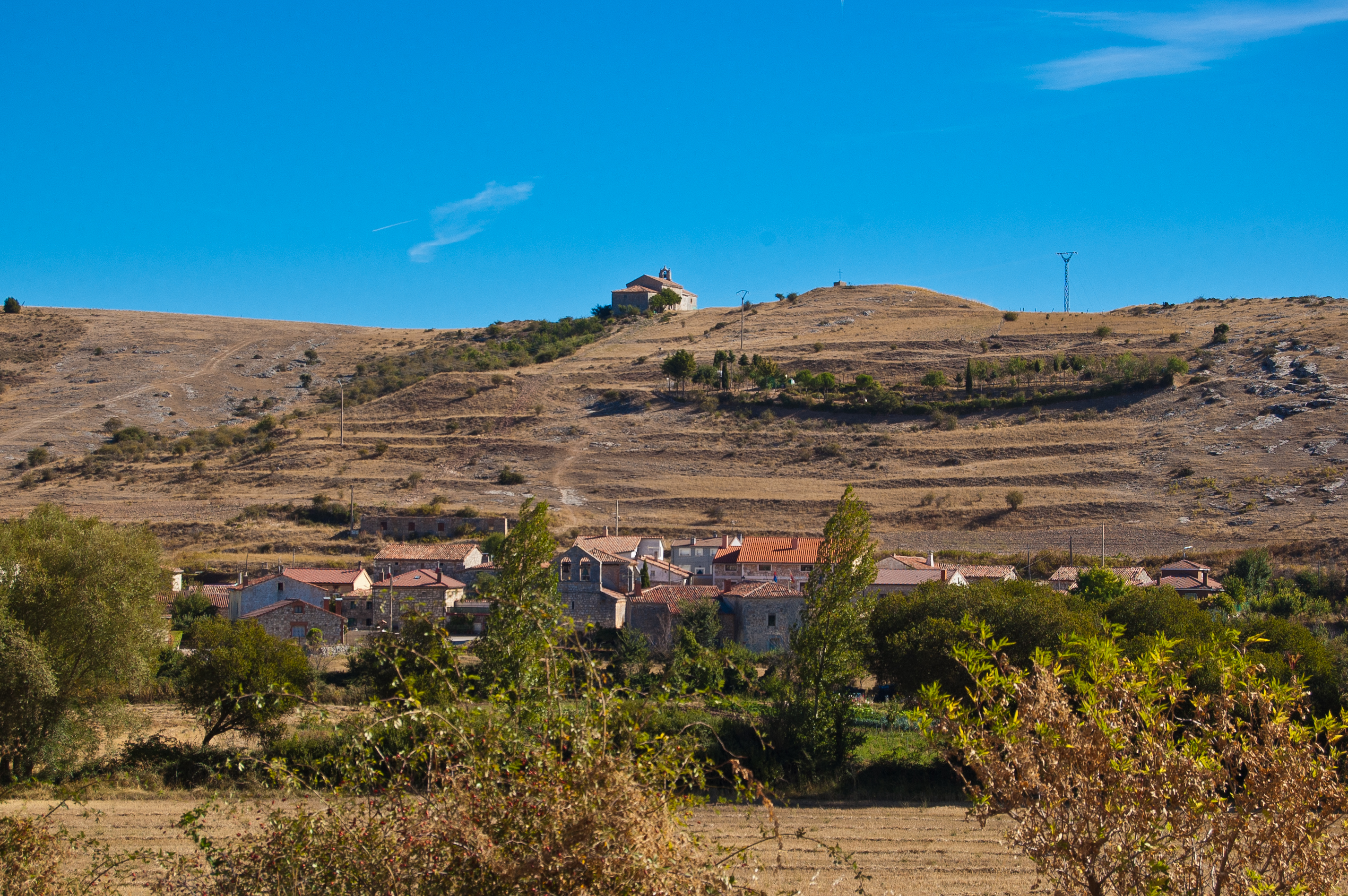
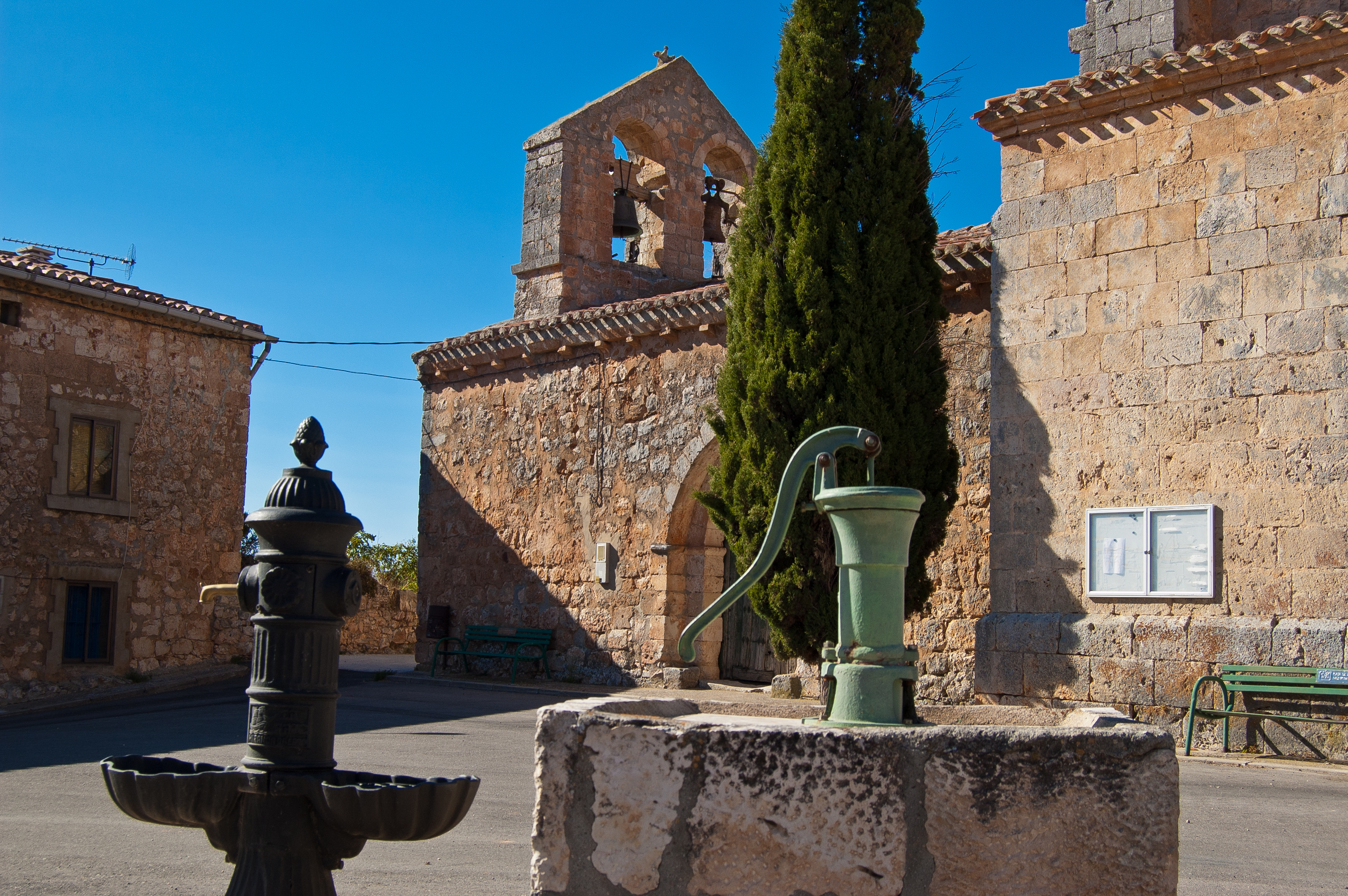
San Juan is one of the three districts that make up the municipality of Los Ausines, the other two being Quintanilla and Sopeña. The first written reference to this municipality dates back to the 10th century, although there were Celtiberian tribes that inhabited this area, later conquered by the Romans. During this period in Hispania , Los Ausines became particularly important due to its proximity to the comarca of Lara, a strategic location for the Roman Empire in the Peninsula. It was also inhabited during the Visigothic period and during the years of Muslim rule.
The three population centres that today make up the municipality each have medieval origins and grew around their respective churches as the central nucleus. The course of the Los Ausines River also had a special influence on the area, with the construction of mills and vegetable gardens on the riverbanks. Although each district developed independently, the three population centres of Los Ausines share important similarities, as can be seen in the harmony of their streets and in the popular masonry architecture that predominates in all three. The main municipal festival is the Cruces de Mayo festival.
In the case of San Juan, the Shrine of the Virgen del Castillo, a temple of Romanesque origin built in the 12th century, is particularly noteworthy. This temple was built on what is known as the Castillejo hill, which affords privileged views of the Arlanzón Valley that stretches out at its feet. The shrine was built on the foundations of a fortress that served to protect the inhabitants of what is now the district of San Juan from prehistoric times up to the Middle Ages. The main elements that denote the Romanesque origin of the shrine are to be found on its façade, such as the doorway without tympanum, the three archivolts and the capitals with plant motifs and fantastic birds.