

Puntos de Interés

Municipality
Cardeñadijo
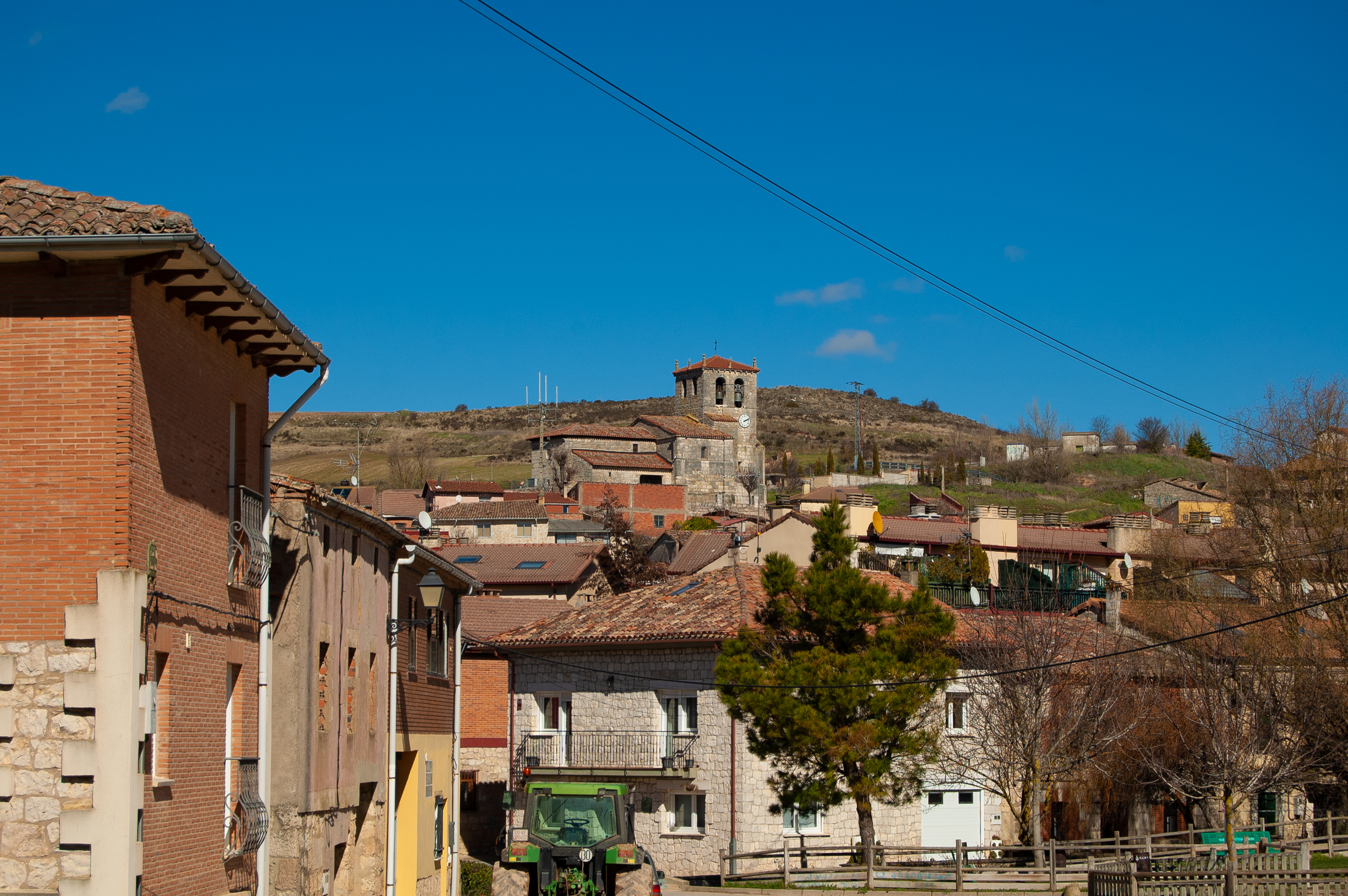
The Burgos village of Cardeñadijo was one of the fourteen that once made up the Intendencia de Burgos between 1785 and 1833.
The first mention of this municipality appears in the year 945, in an old parchment at the Monastery of Cárdena, regarding the donation of a church by a priest to the monks in Cárdena.
The spiritual influence of Cardeñadijo is considerable, with churches and shrines of all kinds, many of them built by private individuals who offered them for public devotion. Such devotion reached its peak when, in 1187, King Alfonso and his wife Leonor founded the great Monastery of Huelgas and the Hospital de Peregrinos, popularly known as Hospital del Rey. These institutions were soon merged under the control of the abbess, who was considered the lady of the village. She was responsible for both administering justice and collecting taxes. This influence meant that it was granted the status of Jacobean village, a privilege usually reserved for destinations on the Camino de Santiago route.
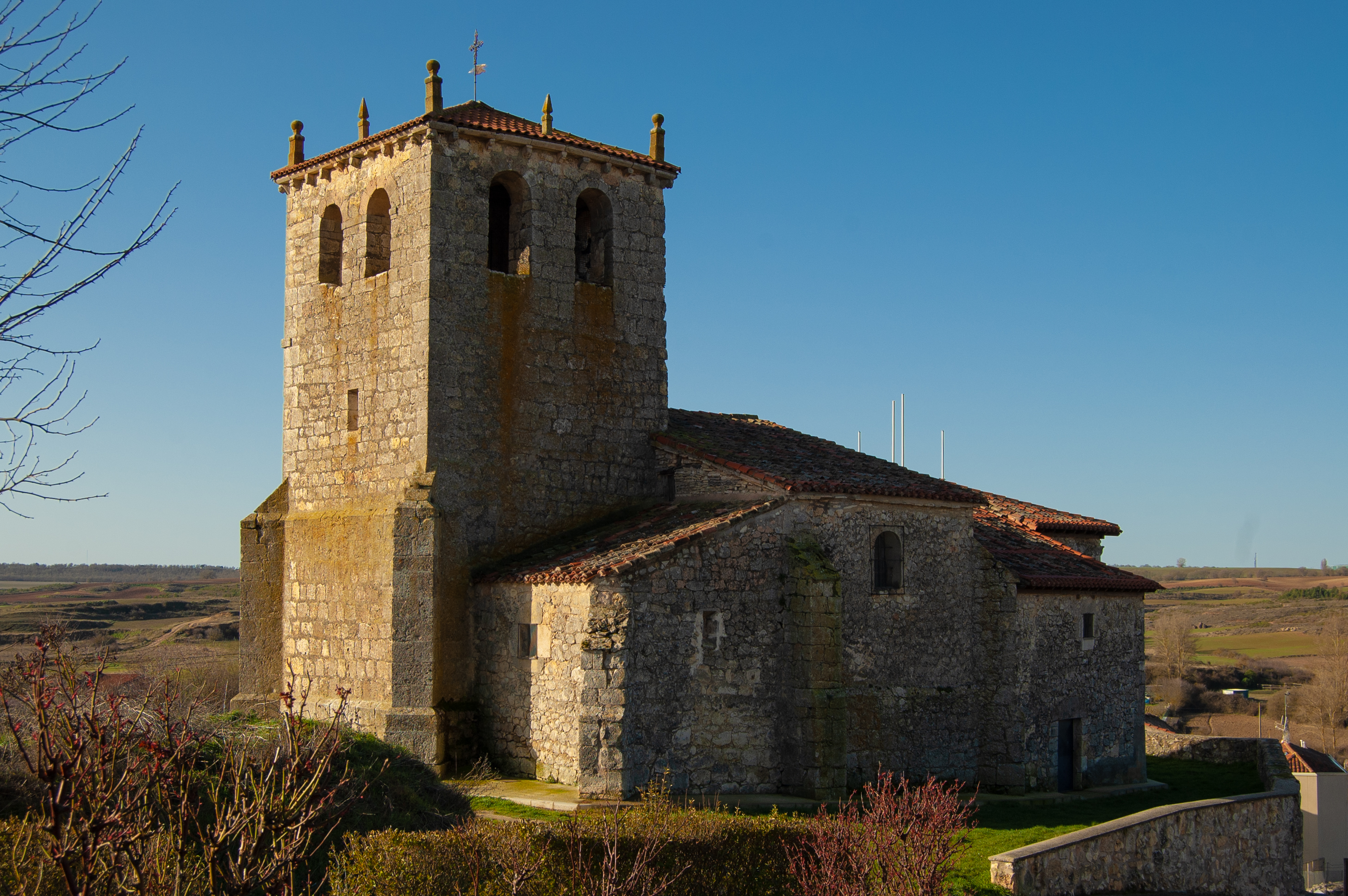
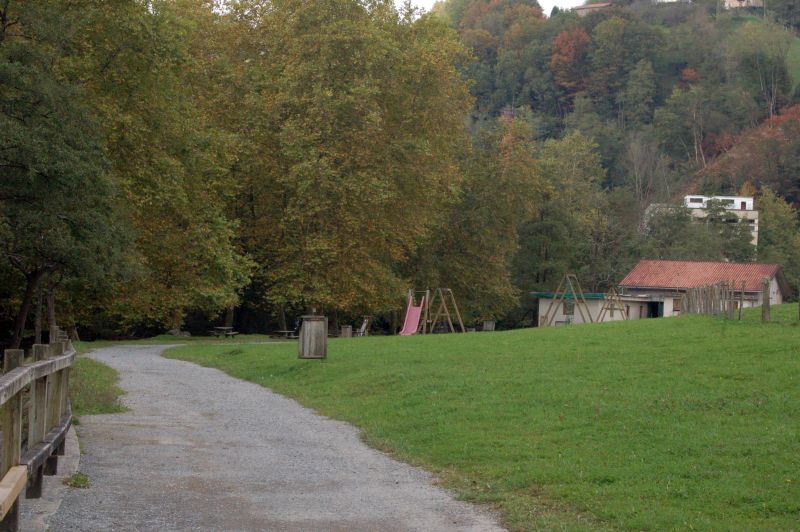
Today it is a popular destination for many Burgos residents who love cycling and hiking, forming part of one of the stages of the Santander - Mediterranean Nature Trail. Aside from sport and nature, with a singularly populated oak forest, visitors will find numerous places of interest such as the Church of San Martín Obispo and the Shrine of Nuestra Señora del Carmen, a large ashlar limestone masonry structure with a rectangular floor plan, gabled roof. In the oldest part of the municipality there is also a unique fountain/drinking trough. The village also has two forge workshops that will delight visitors, with work with an anvil and forge still ongoing in one.
The main festivals in the municipality are those of Santa Águeda, on 5 February, Nuestra Señora del Carmen, on 16 July and San Martín, on 11 November.
But perhaps what the area is most renowned for is the famous Cardeña black pudding, traditionally made in this area since 1930.