

Puntos de Interés

Municipality
Quintanadueñas
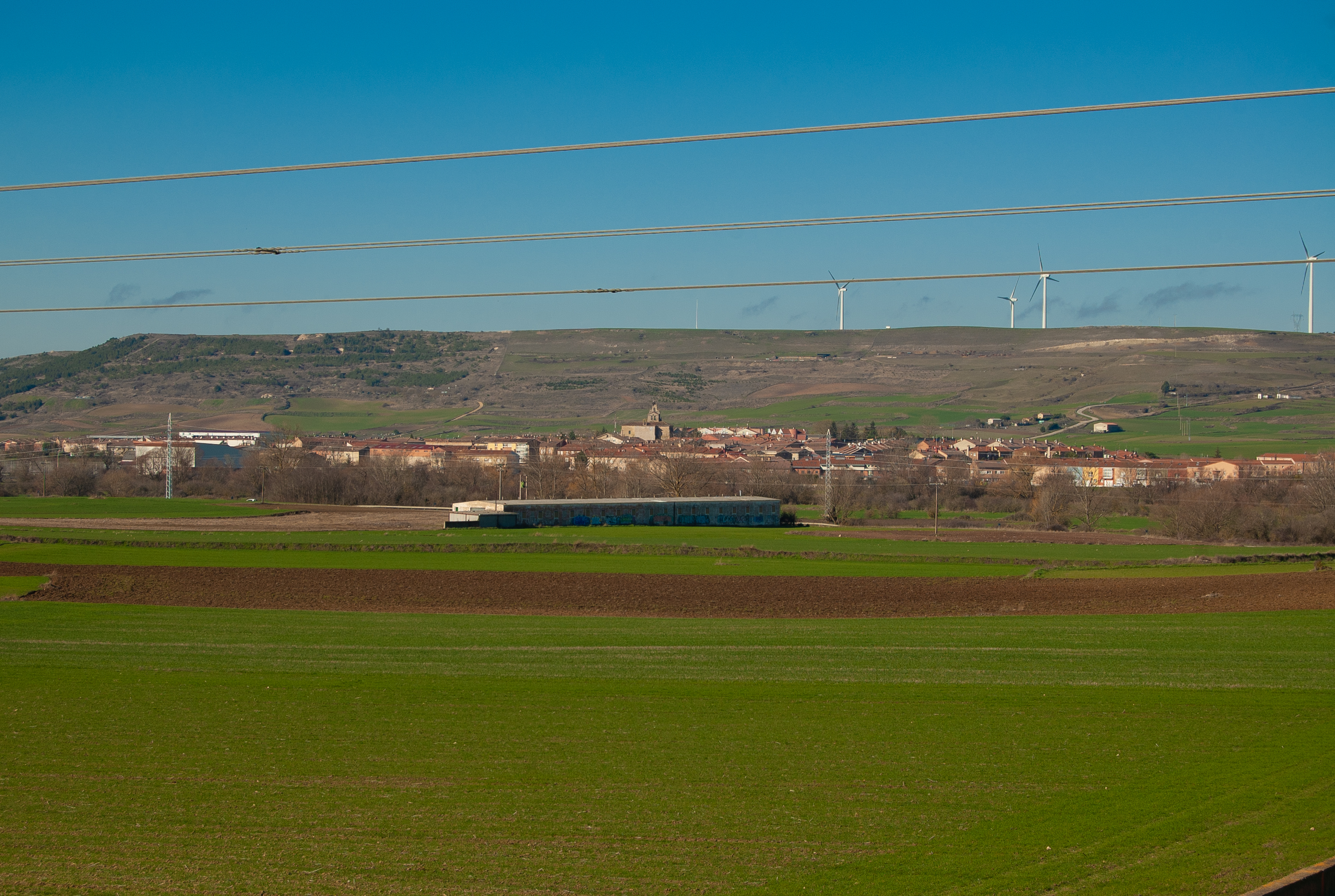
Quintanadueñas is a village and an old municipality in Burgos, Castilla y León, belonging to the comarca of Alfoz de Burgos and currently the head of the town council of Alfoz de Quintanadueñas.
It is located on the right bank of the River Ubierna and is currently expanding rapidly. Its history dates back more than a thousand years, since, like the rest of the villages in the area, it emerged in the late 9th or very early 10th century.
King Alfonso III of Oviedo carried out the Christian conquest for Castilla of the territories between the upper Arlanzón and the River Ubierna after the foundation of Ubierna and Burgos in 884. Despite the great lack of documentation on how or by whom the town was founded, historians believe that it was established as a result of the secularisation of a monastery of nuns, of which there were several in the area.
The transition from monastery to secular settlement took place around the year 1000, as evidenced by a document in which, in 1068, King Sancho II of Castilla donated to Bishop don Simeón "the village of Quintana Dueñas in its entirety, with its farmland, vineyards, meadows and the lands corresponding to it".
From the 12th century on, and due to its proximity to the city Burgos, the bourgeoisie of the capital chose this village for its convenience and began to invest in the countryside, bringing with it population growth. It absorbed the likes of Quintanilla de Quintanadueñas, Páramo de Arriba and what is now known as Pago de San Pedro, near the Arco fountain.
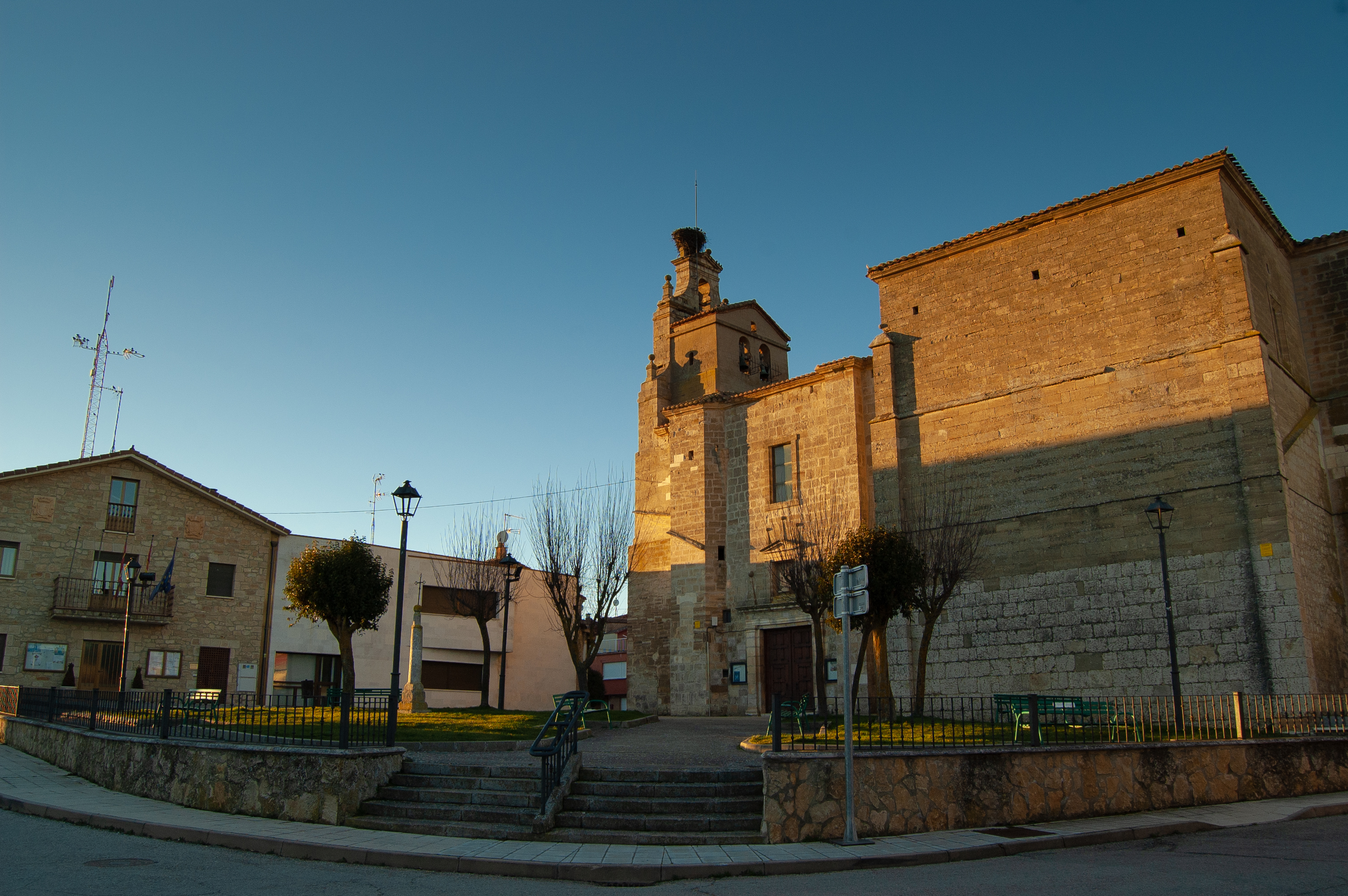
The main monument in this village is the Romanesque Church of Quintanadueñas, which preserves some interesting features like pantocrator and some brackets from the 12th century. In the 17th and 18th centuries some altarpieces were created, such as the rococo altarpiece by Francisco Echevarría in 1768, the churrigueresque altarpiece of the Santa Cruz or the neoclassical altarpiece of the Magdalena.
Quintanadueñas celebrates its patron saint festivities in honour of Nuestra Señora del Rosario on the first weekend of October. The festivals attract over five hundred people in a marquee where to sample lamb stew prepared and served by the local restaurants and hotels. During these festivities, the villagers participate in bull runs and the release of heifers.