


Puntos de Interés

Municipality
Villatoro
Although Villatoro was once an independent municipality, today it is a district of Burgos. According to different documents found, the first information available regarding this population centre dates back to the 9th century. Despite this, numerous archaeological sites have been found in the area, suggesting there may have been settlements in the early medieval period. It could, therefore, be considered the oldest district in Burgos.
Its name comes from gotorun, which means village of the Goths, and the history of this district is closely linked to that of the Convent of Fresdelval, which enjoyed a period of great splendour in antiquity and of which only a few ruins remain. It is said that some miracles occurred here, such as the resurrection of Elvira de Sandoval, a resident of the village, which led to a considerable increase in devotion to La Virgen de Fresdelval.
It maintained its importance during the Spanish War of Independence, but with the ecclesiastical confiscations of Mendizábal, it started to fall into ruin and until the Franco era, when several residents established their residence there and began to take care of this emblematic building.
Today it is considered the most populated district in Burgos and, although it still retains some of its rural charm, it is surrounded by the Villalonquéjar industrial park.
Located in the valley of the River Ubierna, there are some natural elements that are worth mentioning, such as the Villatoro stream that crosses the village diagonally from east to west before flowing into the Ubierna at Quintanadueñas.
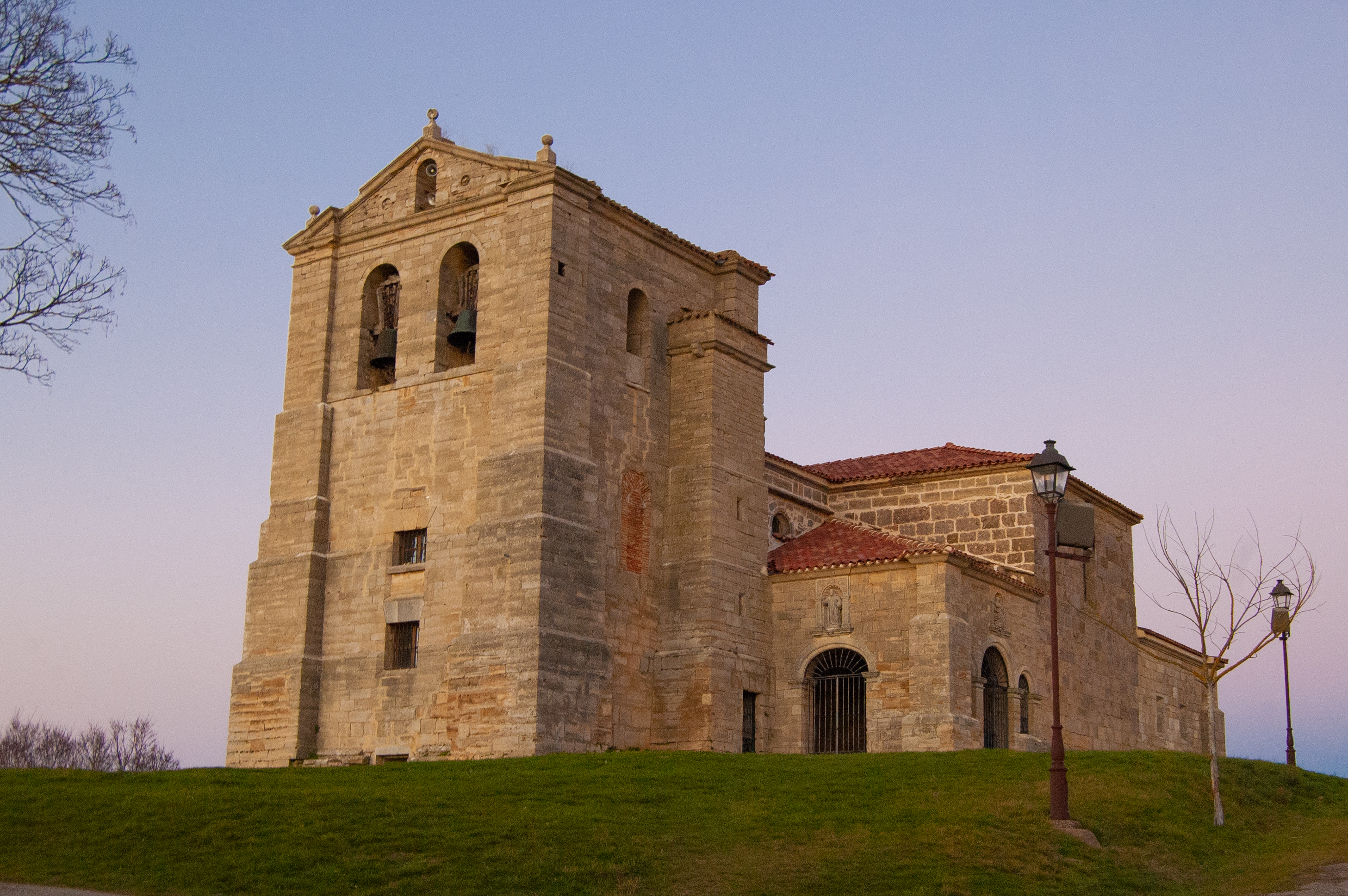
In terms of historical heritage, it is worth noting the Church of El Salvador, located on the top of a hill and where the image of La Virgen de Fresdelval and two side altarpieces are kept, as well as some paintings from the 18th century. It is about 300 years old and has a Latin cross floor plan with an adjoining sacristy.
The district also has a Shrine which houses the Virgen del Adelantado, sculpted by the artist Gil de Siloé from a whole piece of stone, as well as the old schoolhouse, consisting of two floors plus a ground floor made of stone in the 19th century. This building is currently managed by Burgos City Council's Instituto Municipal de Cultura to serve the residents of the district.
Finally, it is worth mentioning the palace located to the west of the district, where the Duke of Wellington is said to have lived during the siege of Burgos in 1812.
The main local festivities are those of La Merced on 24 September, but locals also celebrate other festivals like Los Pinos, commemorating the anniversary of the residents’ association. A mass is held and a speech is read, although the most important event is undoubtedly the community meal where everyone gathers to enjoy a huge paella and popular games.
The Route of El Cid, specifically the route of the Destierro del Cid, which begins in the nearby village of Vivar del Cid, crosses Villatoro.