

Puntos de Interés

Municipality
Burgos
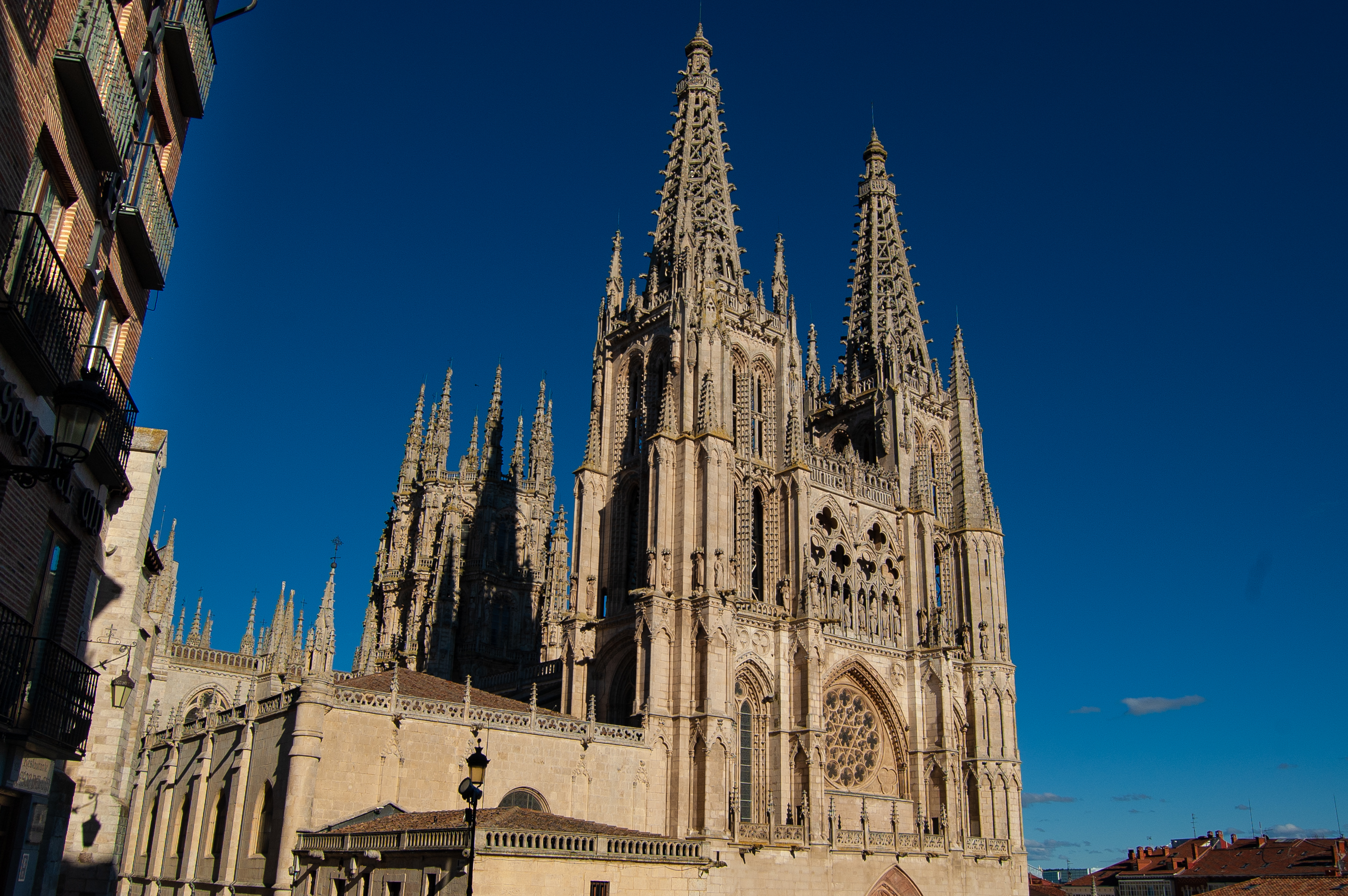
Little introduction is needed for the city of Burgos, founded by Count Diego Rodríguez Porcelos in 884. Shortly afterwards it became the capital of the county of Castilla and subsequently the capital of the kingdom from 1230 until the arrival of the Catholic Monarchs.
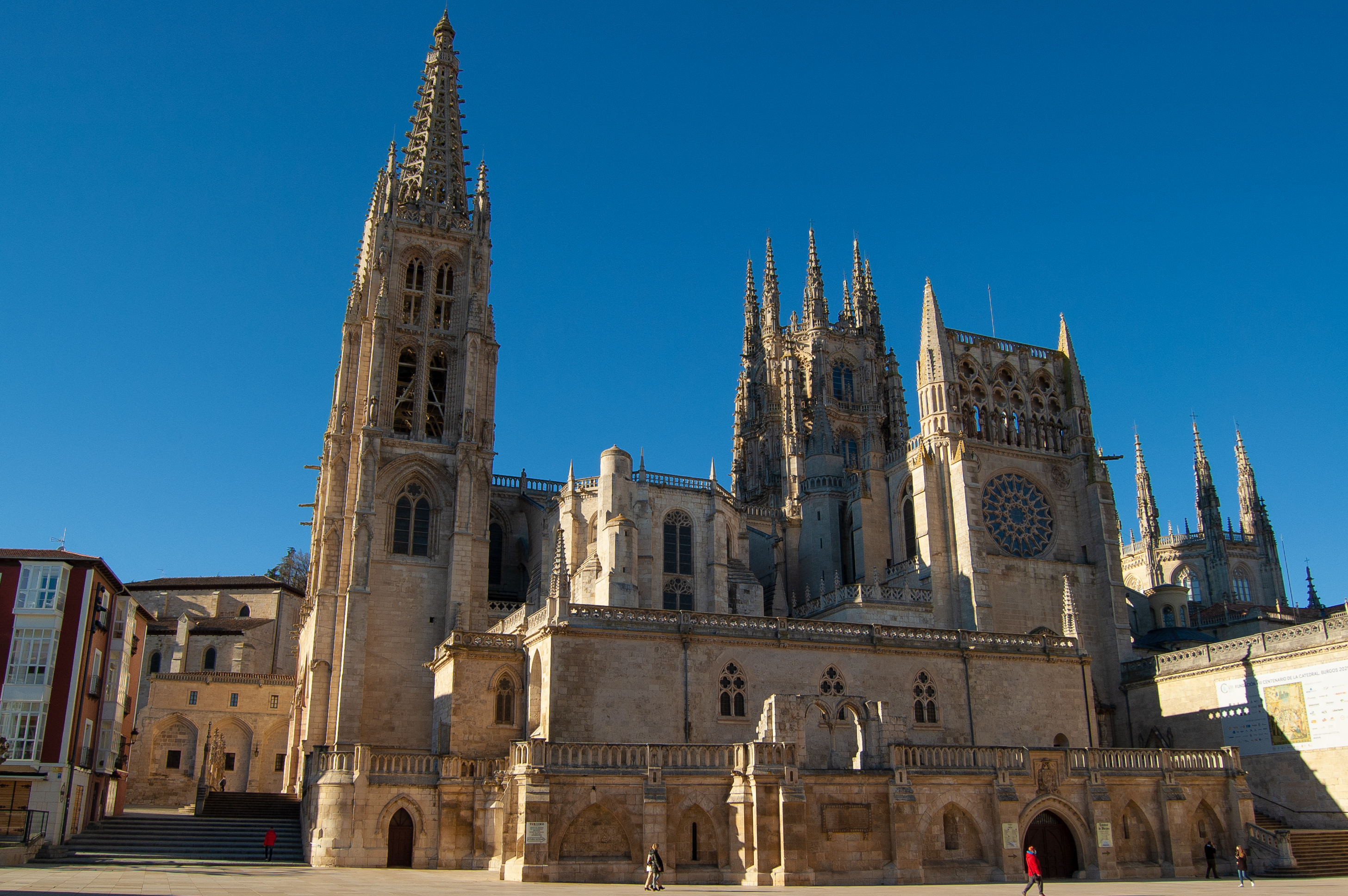
The city enjoys a privileged geographical location in the centre of the northern half of the peninsula, which has allowed it to become an important communications hub in the north of Spain, with a number of important infrastructures. An example of this is its extensive peripheral green ring, the two linear parks built near the main rivers that cross the city and especially its vast monumental heritage. That heritage includes the Cathedral of Santa María, one of the greatest examples of Gothic architecture and declared a World Heritage Site by Unesco; its historic centre; the Monastery of Santa María la Real de Las Huelgas and the Carthusian monastery of Miraflores. Then there is also the Atapuerca archaeological site, only 15 km away, and the Camino de Santiago, which passes through the city, both of which have also been declared World Heritage.
It is worth mentioning the more than 60 km of bicycle lanes, making it the sixth city in Spain in terms of the extension of this type of network and the first in terms of kilometres per inhabitant. The main section of this lane is the one that connects Gamonal with the historic centre and the university, following the course of the River Arlanzón. The city also has Bicibur, a public bicycle rental service.
For a long time, Burgos was an important economic centre in the north of the peninsula, focusing on trade, especially in wool. Later, in the 20th century, a strong industrialisation process took place, culminating in the creation of the large industrial estates in the 1970s.
Many festivals and fairs are held in Burgos throughout the year. The first of them is San Antón, which is celebrated on 17 January. It sees a popular free meal based on titos, a local legume dish, held in the Gamonal district. On the Sunday closest to 30 January, the festivities in honour of the city's patron saint, San Lesmes, are held. In late May, the Romería de la Virgen Blanca pilgrimage takes place; it consists of carrying the image of the Virgin from the Church of San Pedro de la Fuente to the castle esplanade. In late June, the Los Sampedros festivals are celebrated; on 29 June, the patron saint festivals of San Pedro and San Pablo are held, with parades and performances featuring the giant figures known as gigantillos, gigantones, and dancers, and La Cabalgata, which sees the parade of colourful floats made by local associations or peñas. On the feast day of San Pedro, in addition to a mass, the traditional floral offering to Santa María la Mayor is held, the second oldest in Spain after Valencia. Last but not least, Easter Week is hugely important around these parts, declared to be of Regional and National Tourist Interest.