

Puntos de Interés

Municipality
Saldaña de Burgos
The village of Saldaña de Burgos is located about 10 kilometres from Burgos. It is located on the wool route, which over time would become one of the main communication routes in Spain. This led to the creation of two urban centres; Ventas de Saldaña and Saldaña de Burgos, separated by 1.5 km. The former was dedicated to providing services to travellers, while the latter was dedicated to agriculture.
Its origins date back to the late 9th century and it is part of Alfoz de Burgos. The first reference appears in 1057, although an older one has been found, dating from 1044, which refers to Saldañuela, a village of which only a palace remains to this day. It is worth noting that among the documents found referring to this village there is one signed by great figures from that period of history, El Cid Campeador and King Alfonso VI, corresponding to the handing over of the Monastery of San Pedro de Cardeña and its property, including the village.
Due to its location, Saldaña was closely affected by the consequences of the War of Independence and other events, although it was able to take advantage of its strategic position, on the access route to Madrid and the Sierra, and had good facilities for people, animals and vehicles. Most of its residents devoted themselves to this task while a few continued to cultivate the land. Today, this trend has continued and the service sector is still the main driver of the local economy of Saldaña. Locals continue to take advantage of its proximity to two major communication routes: Madrid-France and the Levante.
The Palace of Saldañuela is a must-see sight, of Renaissance style and built in the Italian fashion; one of the most refined and beautiful in the province with its mannerist decoration. Its construction was ordered by Isabel Osorio, one of the mistresses of Felipe II.
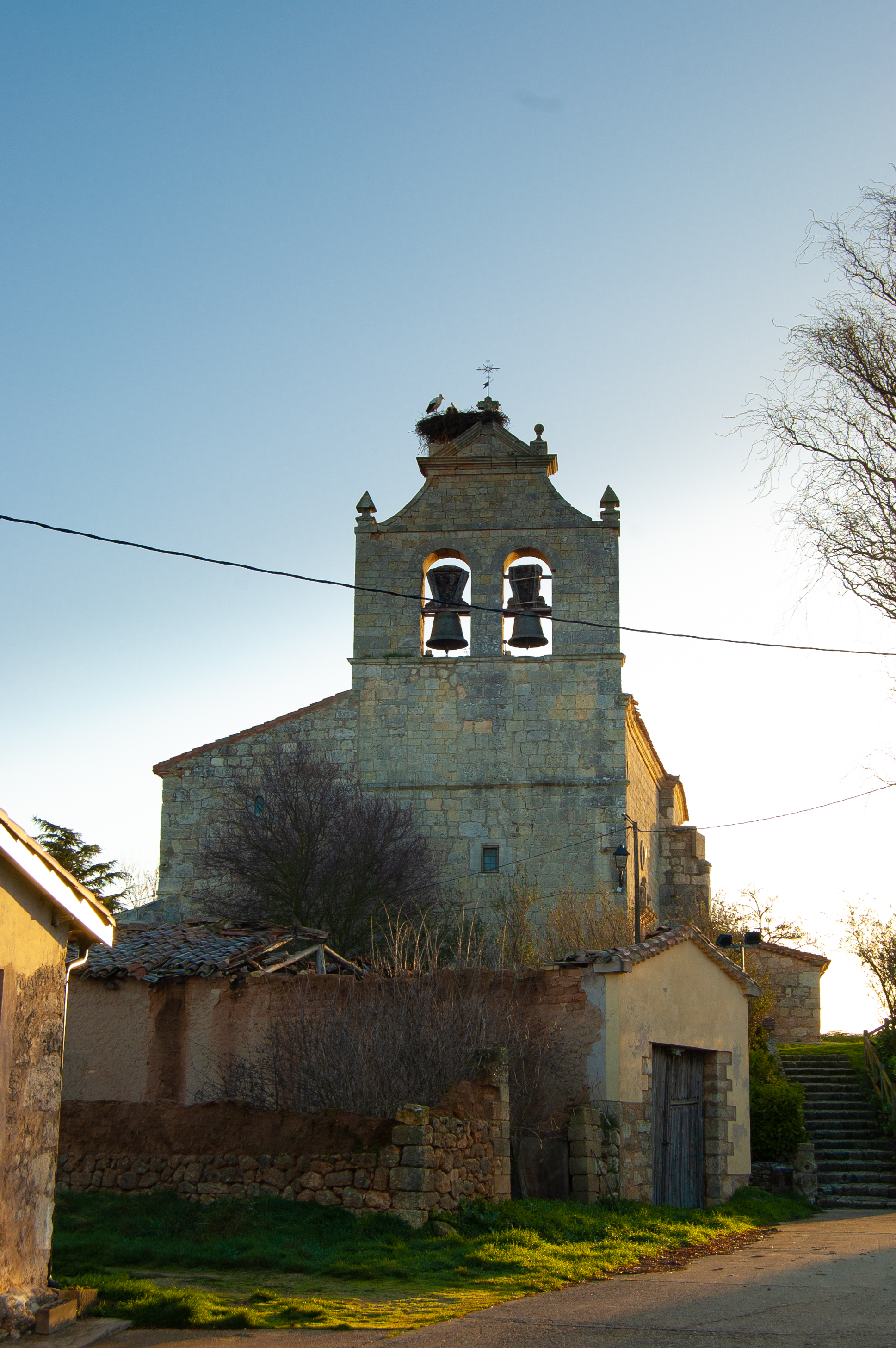
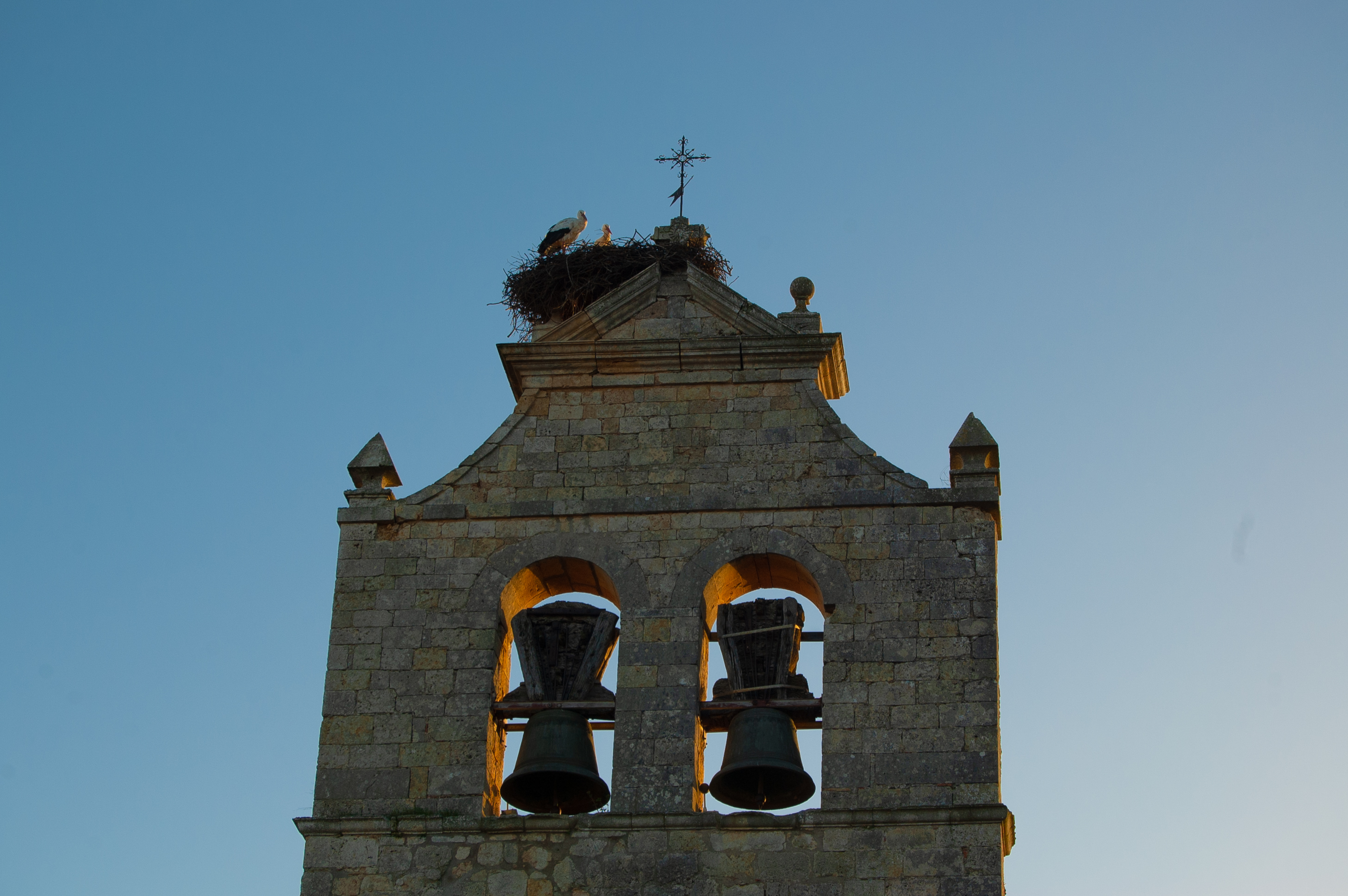
The village centre also preserves the Fuente del Pilón fountain, built in 1889 in sandstone and with a colourful plant decoration, and the Church of Santa Cruz, with a single nave and a bell gable. An old mill can be found on the outskirts of the village.
As for the celebrations, various activities are held throughout the year, although the most important is the one that takes place on 14 September, known as the Exaltation of the Holy Cross, commemorating and honours the Cross on which Jesus was crucified.