
Puntos de Interés

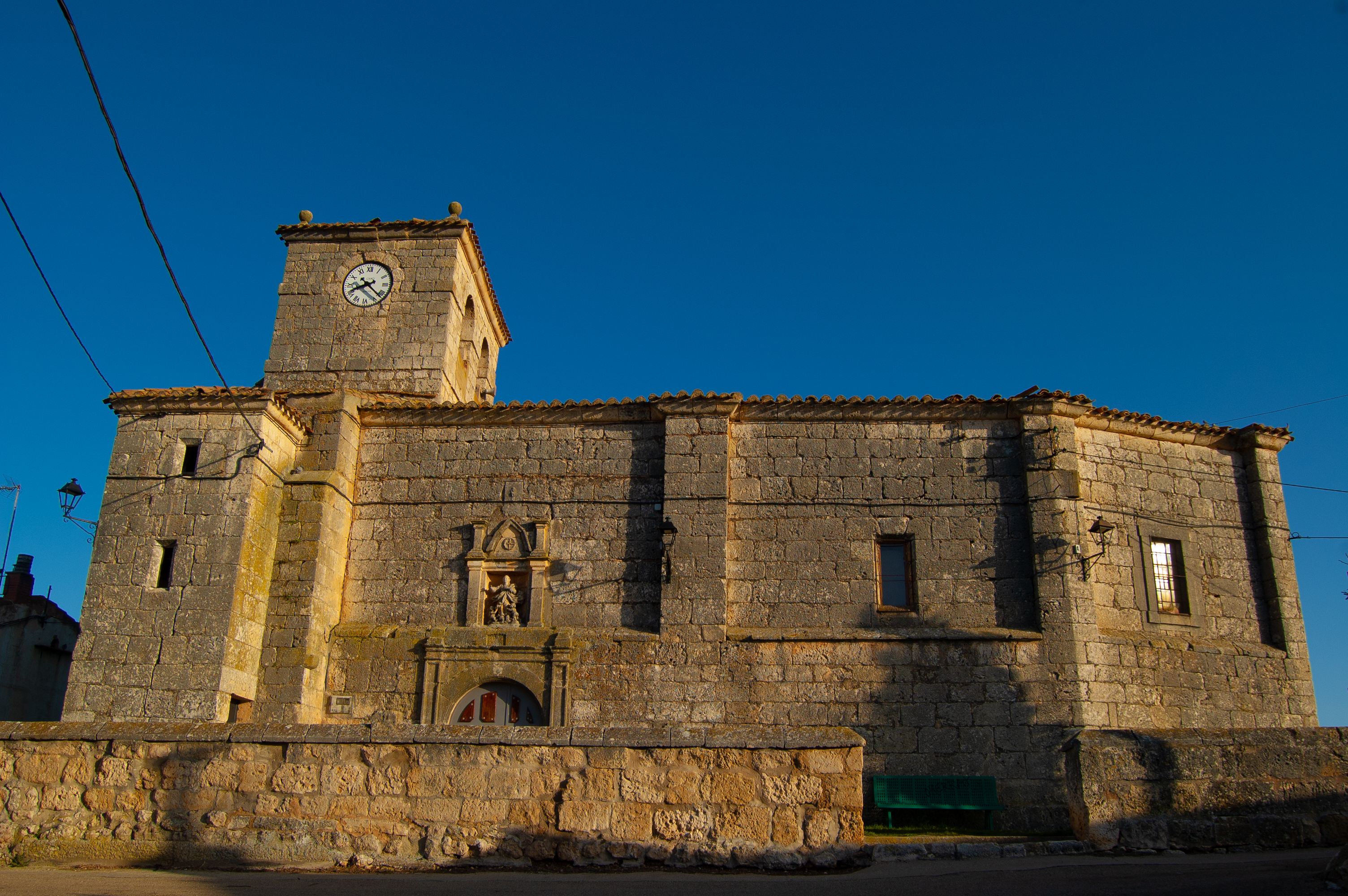
Municipality
Modúbar de la Emparedada
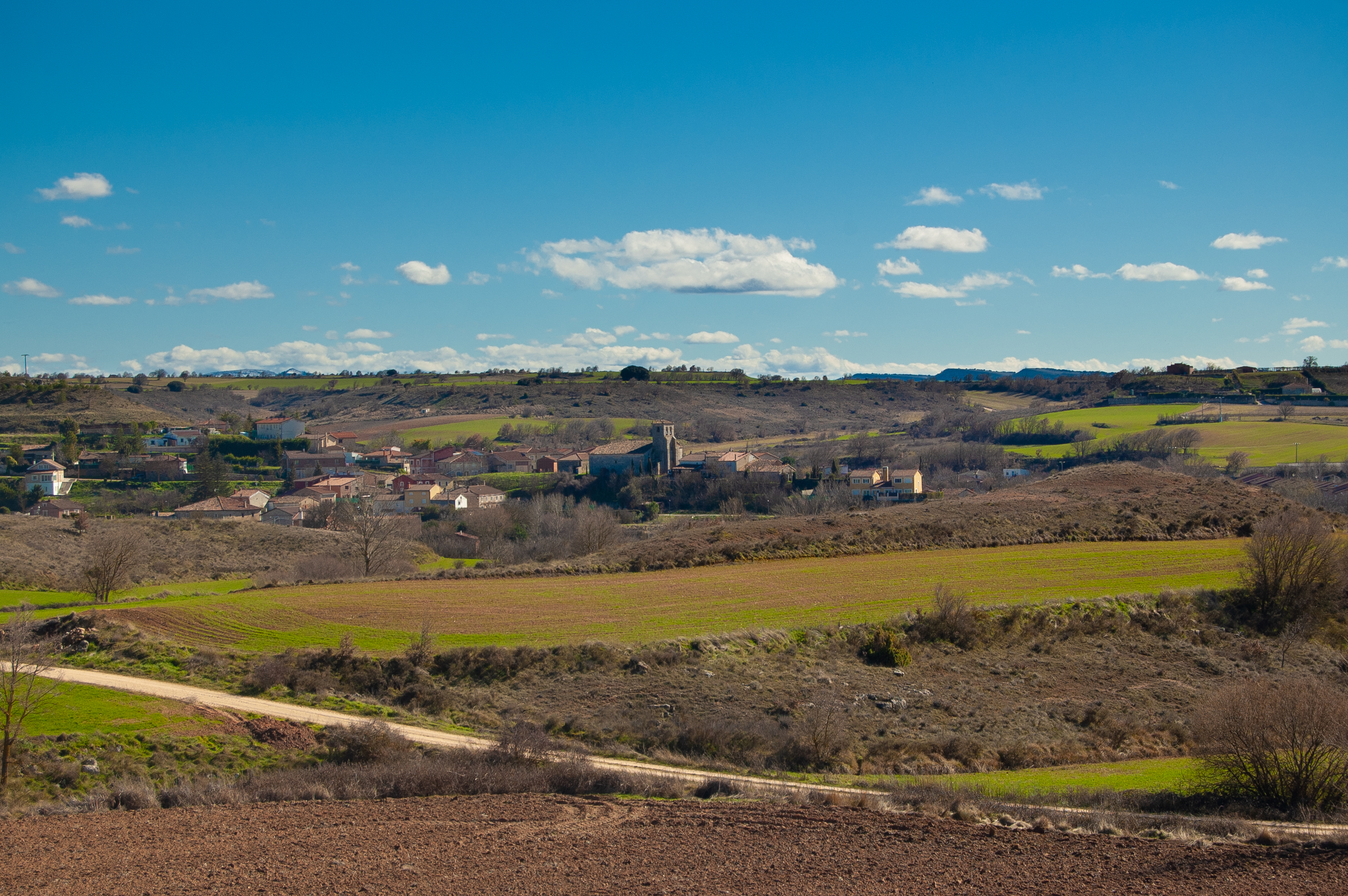
Although the origin of this municipality is unknown, there are two theories that are currently the most widely accepted by experts. One places its origin in the period of Moorish rule, with the village giving its name to the River Modúbar, meaning round. For his part, Fray Valentín de la Cruz, known as the official chronicler of the province, believes that modúbar refers to a pre-Roman word meaning earth mounds. The origin of "emparedada" is clearer: according to legend, it refers to the stay of a rich lady suffering from the plague who was taken in and cured within the walls (“paredes”) of the church.
Like other villages in the area, Modúbar belonged to the Intendencia de Brugos between 1785 and 1833. Today it forms part of Cojóbar, as one of its districts.
Its inhabitants are known as Ahorcacristos (“Cross hangers”), as it is said that during the celebration of a pilgrimage they hung the Cross of Christ on an oak tree with the intention of safeguarding some wineskins during a storm.
Tourist attractions include the Museum of Modúbar (MUMO), part of the Museos Vivos (Living Museums), project, allowing users to visit 24 hours a day. Currently on display is the exhibition El Hombre y los Ingenios, La Recolección (Man and Ingenuity: The Harvest) with over 350 pieces by Carlos Alonso Maté, as well as photographs and poems by Carmelo Alonso Maté.
Visitors can also explore the neolithic site of Altotero, with its many prehistoric archaeological remains, and the Parish Church of Cojóbar, dedicated to San Cristóbal. It is a Romanesque gem with a single nave and one of the most beautiful baptismal fonts of this style in the province.
The main festivals in Modúbar are San Cristóbal, held on 10 July, the Valderrumbate Pilgrimage, on 15 August, and Nuestra Señora de la Merced, on 24 September.