

Puntos de Interés

Municipality
San Cebrián de Mudá
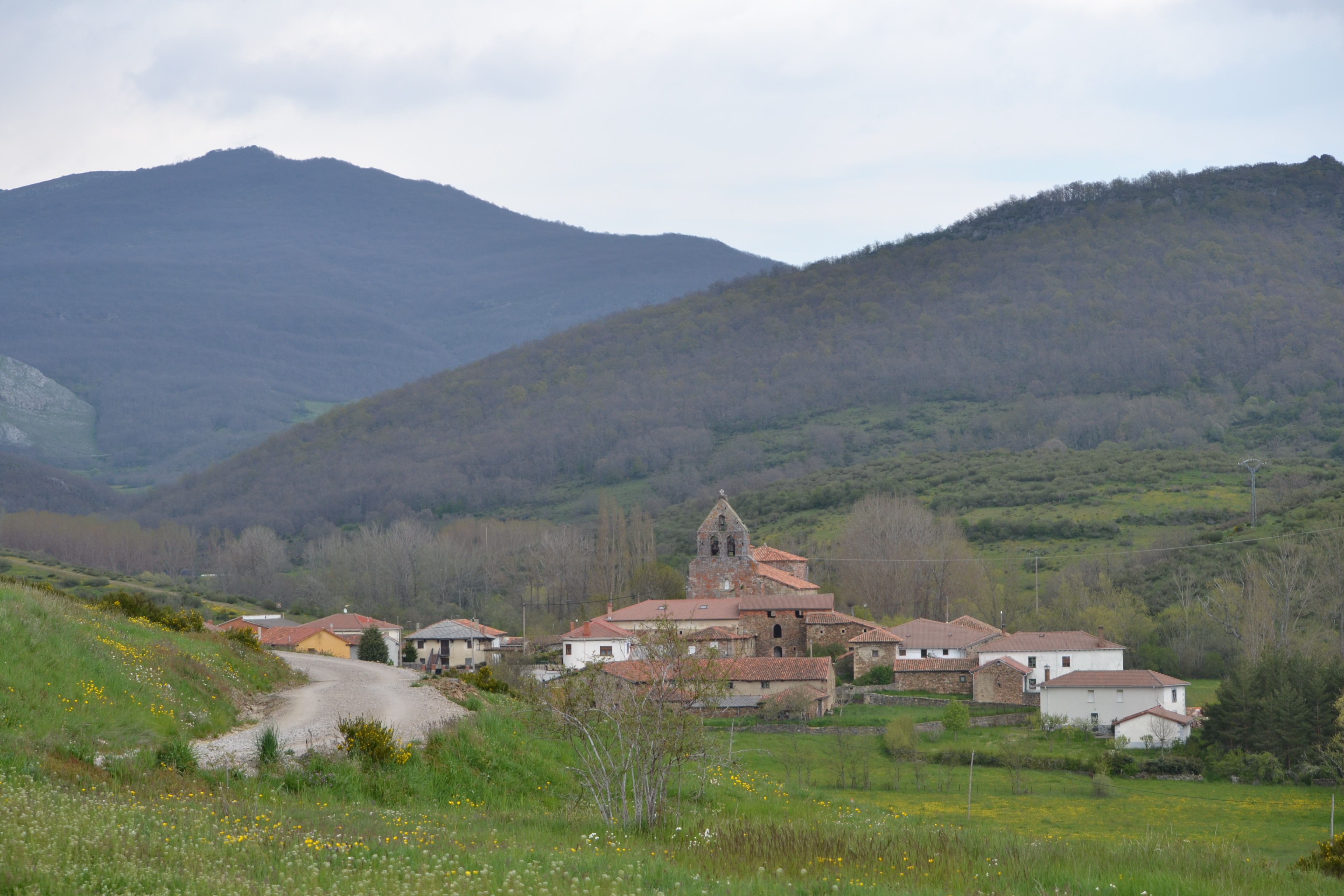
This town is located in the Montaña Palentina region, in the Mudá valley, one of the most rugged areas in the north of Castilla y León. Along with the towns of San Martín and Perapertú, Valle de Santillán and Vergaño make up the municipality.
In this town is the last of the Romanesque churches along the Coke Coal Route, the church of St. Cornelio and St. Cebrián, from the 13th century, with mural paintings from the 15th century inside which was declared a Site of Cultural Interest in 1993.
During the 19th and 20th centuries the town was focused on mining, but after the mines closed, it shifted to tourism, establishing a route to see some of the old mines known as the "Paseo de las Minas de San Cebrián de Mudá" (St. Cebrián de Mudá Mines Walk). Also located nearby is the Mirador de las Estrellas, a small astronomical observatory built on top of an old mining building and the European Bison Reserve and Interpretation Centre.
Residents celebrate the festivities of their patron saints St. Cornelio and St. Cebrián on September 16 and 17, respectively.