


Puntos de Interés

Municipality
Vallespinoso de Cervera
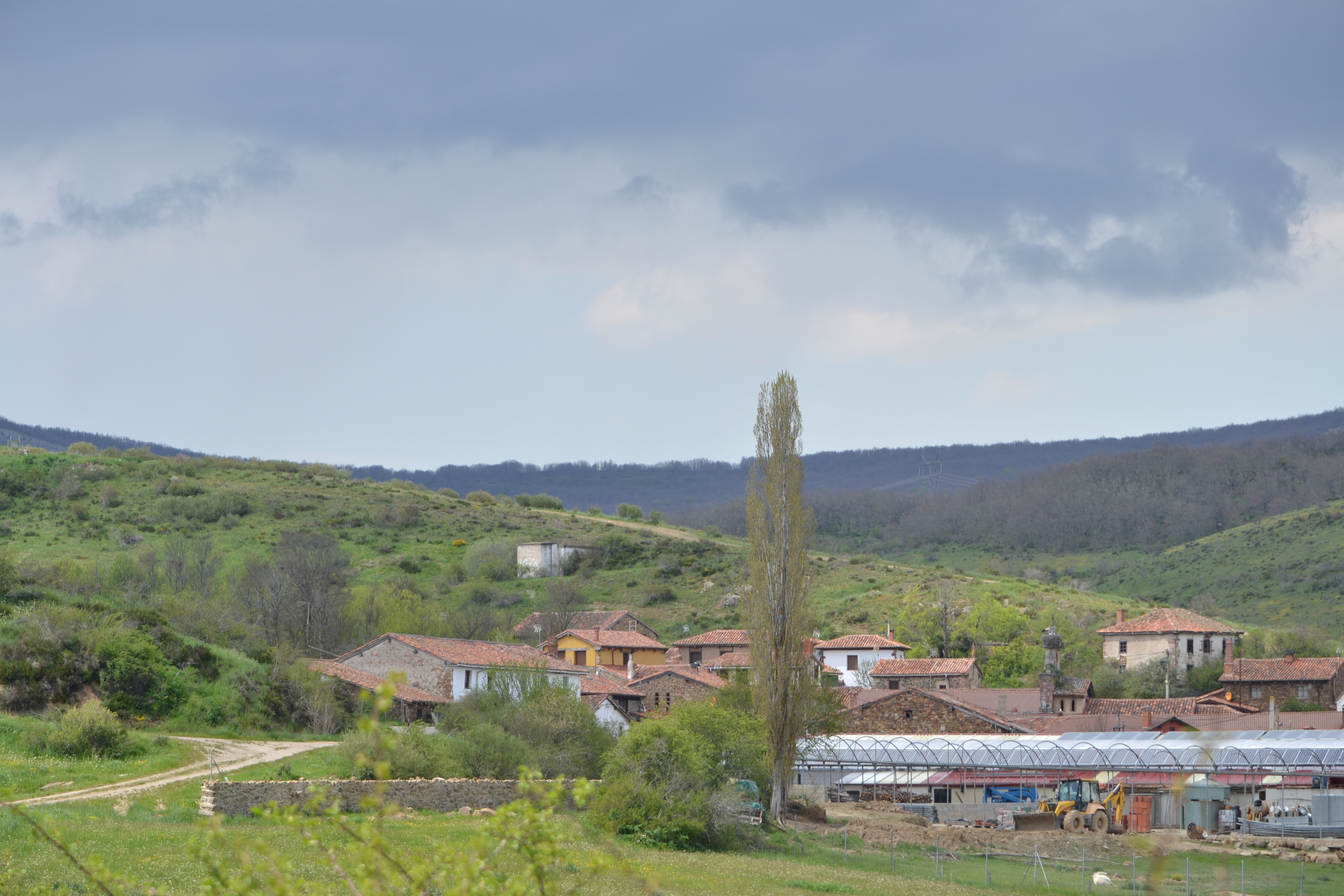
Nestled in the peaceful valleys of the Montaña Palentina is the town of Vallespinoso de Cervera, which is part of the municipality of Cervera de Pisuerga.
It is a hamlet with few inhabitants where there are many remains of activities that the village used to have in the past. One of these remains is the horseshoeing frame. It is made of oak and was used to shoe the cattle and treat them. This remnant of the livestock farming in the area was rebuilt in the year 2000. Originally, this shoeing frame was located next to an old forge that can also be visited, since it was the blacksmith who was in charge of putting on the shoes.
At the town's entrance there is also a washing place where women could soap and rinse their clothes in the different basins in the house. The springs in the area were used for this purpose.
There is a large house with the coat of arms of the Vielba family, where Matías Vielba (1858-1939), author of works on art and history of the province of Palencia, was born, and the parish church.
The town also has the church of St. John the Baptist. It was built in the 14th century, with a single nave, covered with groin vaults, square chancel, covered with a ribbed vault and buttresses, and a belfry. Inside there is a 14th century Gothic Christ, an image of the Virgin and Child, a Baroque baptismal font, and a carved holy water font.
This church is not the only religious building in the village; nearby is the Romanesque chapel of Nuestra Señora del Valle (Our Lady of the Valley). Inside it has a rich collection of wall paintings from the 15th century. It is in this church that the town's festivities in honour of Nuestra Señora del Valle are held every second Sunday of September. It is a tradition to sing the Hail Holy Queen next to the chapel.
The village has a history of coal mining, as it was the residence of miners employed in the mines of San Cebrián. The miners had to walk the Sendero de los Mineros (Miners' Path), which still exists today, every morning to reach the mine.
At present, beekeeping is a local attraction as it produces honey, pollen, and royal jelly during the summer and spring seasons.