

Puntos de Interés

Municipality
Castell d'Aro
A few kilometres from the Mediterranean is the municipality formed by Castillo de Aro, Playa de Aro and S`Agaro, located in the region of Baix Empordà in the province of Girona.
These lands have been populated since prehistoric times, according to the remains found, most notably in the form of tombs, menhirs and dolmens. It is believed that the first populations around Pinell date back to 2500 BC.
The Romans were also seduced by this territory, leaving their mark in the Villa de Pla de Palol, which dates from the 1st and 4th centuries A.D. With an area of 10,000 m2, the remains discovered confirm that these settlers exploited the natural resources of the land, both for agriculture and the cultivation of vineyards, as well as the extraction of clay for the manufacture of ceramics. The products obtained were exported by sea thanks to the natural port of Cala Rovira.
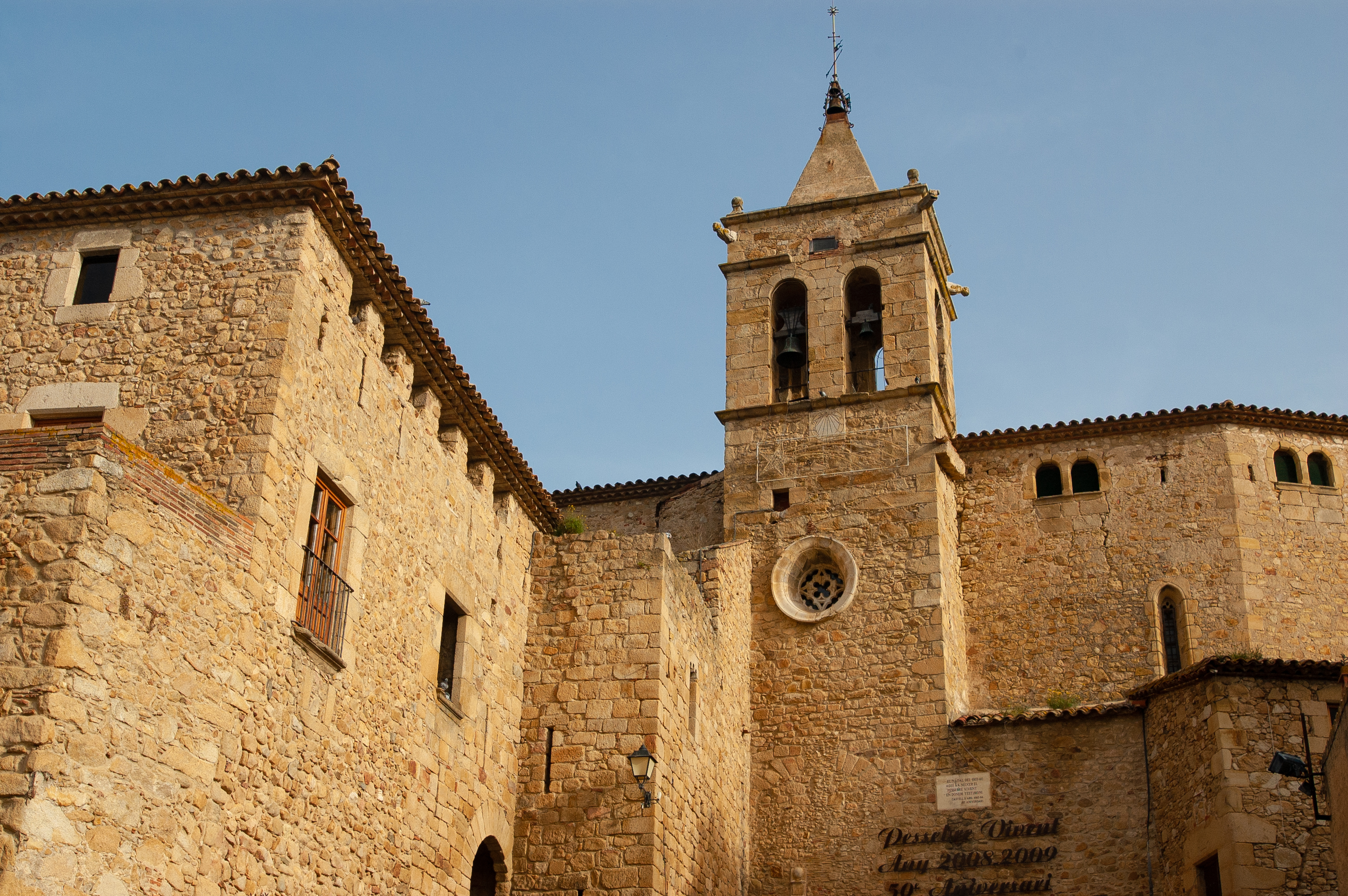
In any case, we know that the final origin of this town was the construction of the Benedormiens Castle. This fortress was erected in 1041, when the religious authorities, the nobles and knights of the territory handed over its custody to the monastery of Sant Feliu de Guíxols. In exchange for this, they were tasked with the protection of the entire Aro Valley.
Of this emblematic castle only one original section remains from the 12th and 13th centuries. The rest of the castle has undergone many alterations over the years, the last of which was a restoration in 1970, with the aim of giving the complex an appearance as close as possible to the original building. Up until this final restoration, the town hall of Castell d’Aro was located here. Today, it currently hosts various exhibitions such as that of painter Àlvar Suñol.
Around this enclave are the narrow medieval streets and traditional old Catalan houses, which led to this historic centre being declared an Asset of Cultural Interest in 1995. Regarding the economy, the service sector heavily predominates. The boom in tourism, caused in no small part by the restoration of various buildings and structures and its pristine beaches, has made this a great engine for the town that possesses beautiful landscapes between the sea and the mountains.
The Festa Major is celebrated in September with various performances and activities, in May the festivity of San Isidro, the carnival in late March and early April, as well as the Festes de Tardor around October/November.