

Puntos de Interés

Municipality
santa Cristina d'Aro
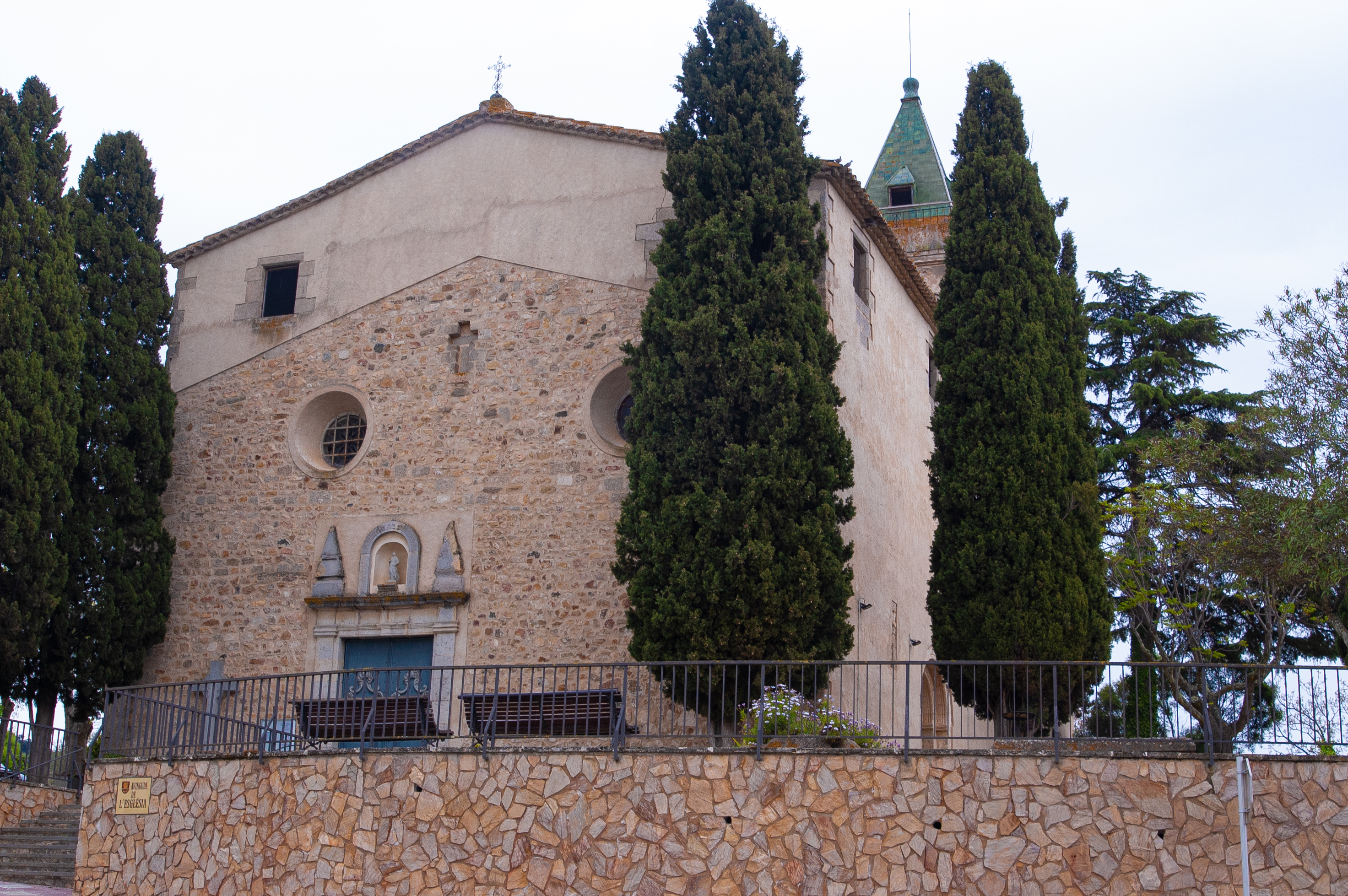
Santa Cristina D'Aro is a municipality on the Costa Brava surrounded by the Gavarres and Ardenya massifs and bathed by the waters of the river Ridaura. Its unbeatable geographical location was a great attraction for ancient peoples, as evidenced by the remains of menhirs and dolmens found in the area, confirming the presence of human activity since 12,000 BC.
The Iberians built settlements such as Plana Basarda, which was later abandoned in favour of a move to the plains tamed by the Romans, as well as establishing agricultural hamlets, mausoleums and cemeteries. As such, stable populated sites were defined, giving rise to the territory known as Vall d'Aro in the 9th century.
It currently consists of the parishes of Santa Cristina, Romanyá de la Selva, Soliu and Bell-lloc.
There are numerous historical and cultural remains in this municipality, such as one of the best-preserved dolmens at the cave of Daina. It seems to be a tomb built with granite slabs around 2700-2200 BC. Numerous human bones and teeth have been found there, as well as different tools such as flint tips, knives, and various ceramic elements.
The church of Sant Martí de Romanyà is another of the treasures of the municipality. The church is pre-Romanesque, placing its construction approximately in the second half of the 10th century or early 11th century. It has a cross layout with prominent arms. The apse has a trapezoidal floor plan and vault shaped roofs.
Another Christian place of worship is the Cistercian monastery of Santa Maria de Solius, founded in 1967 and whose slender bell tower is visible from all over the Vall d'Aro. The main economic engine of the municipality is agriculture, more specifically the production of cork, tourism, and construction.
The Festa Major is celebrated in July with various activities, such as games and traditional cuisine. As well as the carnival that had its origin in 1982 when a group of young people, called Los Merlots enthralled everyone with their face-paced parades in the form of a train called Añoranza. Almost four decades later, Santa Cristina has seven Carnival groups with more than 450 members: Los Merlots, Los Caganers Alegres, Los Azules, Las Castañas Voladoras, Los Ki'ls parió, Los Dakidallà and La colla Mar y Montaña.