
Puntos de Interés

Municipality
Llagostera
Between Cassà de la Selva and Santa Cristina de Aro is the municipality of Llagostera. It belongs to the province of Girona and its origins date back to the Palaeolithic, the existence of several settlements in the area having been documented.
Undoubtedly, the most important moment for the town came in the 18th century when, thanks to the prolific cork industry, the great economic engine of the area, Llagostera underwent an industrial boom, boosting population growth until it became the current municipality that we know today.
The town treasures several examples of architectural heritage, some of which are located in the beautiful neighbourhood of Reramur. This marked the limits of the village around the castle and the church and is a clear example of the medieval walled configuration of the era.
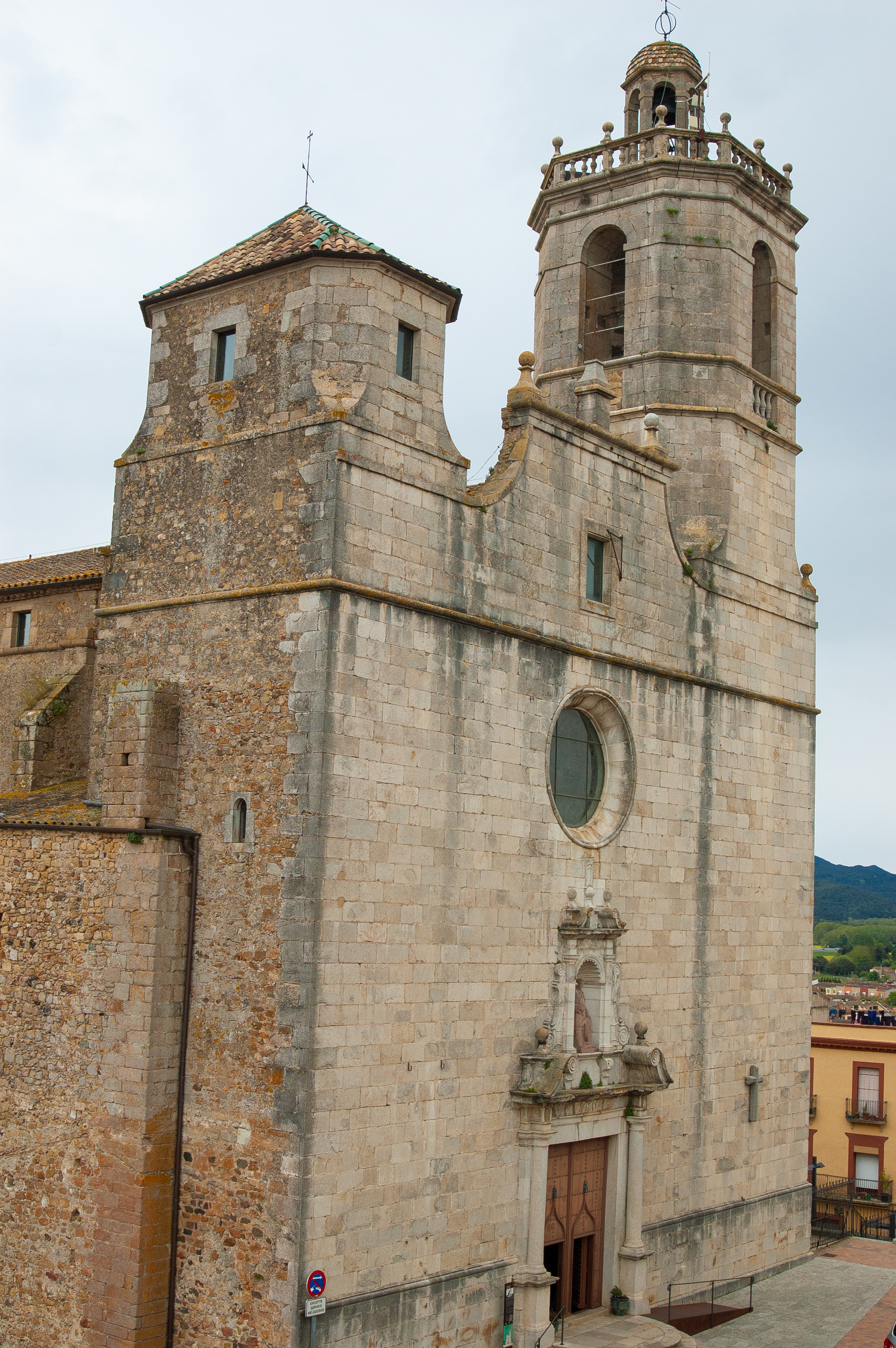
Undoubtedly, one of the most emblematic buildings of the town is the church of Sant Feliu, which was built in the 9th century. The church is an example of both Gothic and Baroque style, with little remaining from the original structure having been renovated on several occasions throughout the ages. It has a rectangular floor plan and a single nave that culminates in a polygonal apse with several side chapels, one of which is dedicated to the Sacred Heart. There is documented evidence of the existence of an altar built in honour of Sant Julià in the late 15th century, although no trace of it remains, as well as a baroque altarpiece that was destroyed during the Civil War.
Visitors can also see the remains of the castle of Llagostera, which pertained to the Crown before passing into the ownership of the lords of Montcada.
To learn about the history of the town, it is recommended to visit Can Caciques, an exhibition centre where several archaeological remains are kept, as well as part of the town wall and castle.
In addition, since 1982, the Castell square houses a monument that evokes the times when the town was bestowed with a royal privilege, also granted to Caldes de Malavella in 1241, when both municipalities formed a royal authority, redeeming them from certain feudal burdens.
The economy is based mainly on tourism, the cork industry and livestock feed. As for the festivities, the Festa del Bolet is celebrated in October, where various activities are held and the Mercat Romà (Roman market) in April, where the old town is transformed into a camp and market set in Roman times with various activities. The Festa Major is also celebrated in June.