
Puntos de Interés

Municipality
Aguilar de Campóo
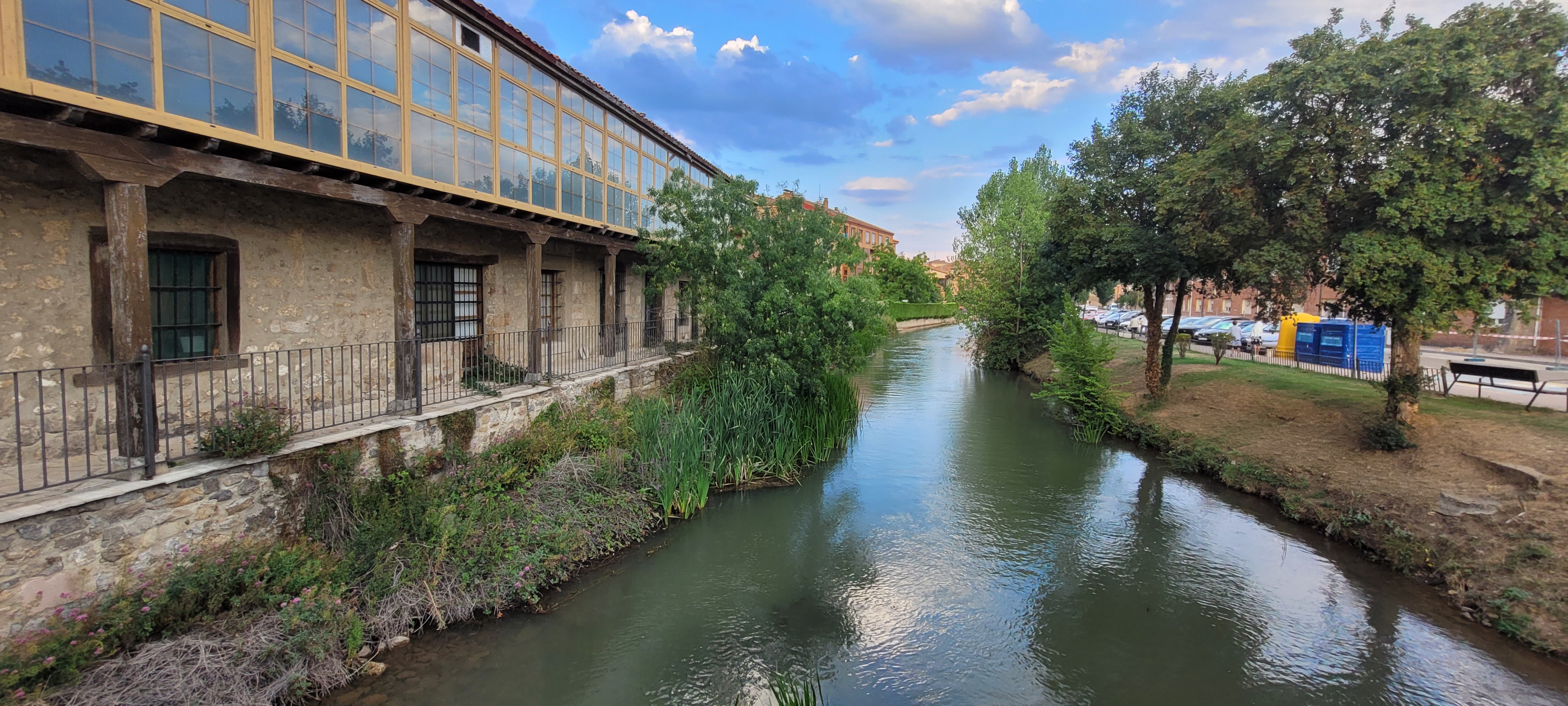
In the northern region of Montaña Palentina in the province of Palencia, lies this historic village, occupied by Cantabrians, Romans, and Visigoths, which was declared a Villa Realenga (dependent directly on the king) in 1255 by Alfonso X the Wise in the first Royal Charter of Castile.
This Historical and Artistic Site still has 6 of the 7 gates of the medieval wall, the remains of the castle originally built in the 12th century, houses and palaces with crests and coats of arms and monuments including: the 15th century Gothic monastery of Santa Clara, the monastery of Santa María La Real, whose origins date back to the 11th century. It has been converted into an educational centre that houses the Museum of the Royal Monastery of St. Mary the Royal, the Visigothic collegiate church of St. Miguel which still has its 13th century Romanesque doorway with nine archivolts and eighteen capitals, the rest being of Gothic, Renaissance or Herrerian style, and the Romanesque chapel of St. Cecilia perched on a hill which dates back to the 12th century and has a three-part tower with decorated windows.
The town is inside the Las Loras Geopark, which is part of the Unesco geoparks network and is close to the Aguilar de Campoo reservoir. Many tourism itineraries pass through the town.
In the 1960s, Aguilar de Campoo had five cookie factories, producing 9 out of every 10 cookies consumed in Spain, which is why it is known as "The cookie town".
Locals celebrate their patron saint festivities of St. John and St. Peter at the end of June, but they also hold a "cookie carnival" and "medieval market" where the ancient trades and crafts from the area are showcased.