

Puntos de Interés

Municipality
Cozuelos de Ojeda
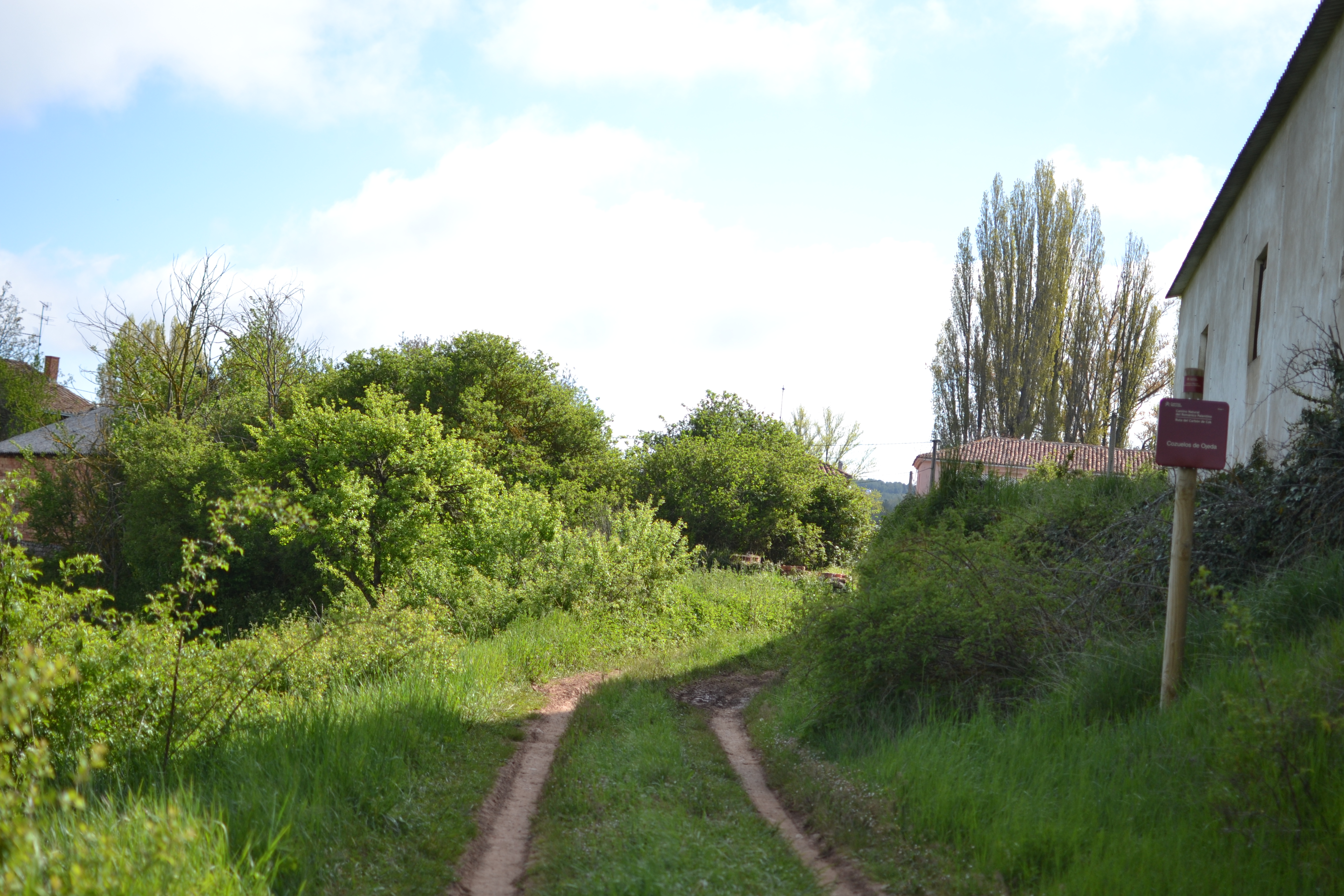
There are several small but interesting villages in the Ojeda region. Cozuelos de Ojeda is one of them. It is located south of where various valleys meet: El Vallejo, Fuentecañón, and Mangadilla.
Research indicates that the town's origins date back to 1800 B.C. when the Voceos chose the banks of the Pisuerga to establish their settlements. The Celts would later colonise these territories around the year 200 BC. It is also possible that the Romans settled in these lands, although it is believed that the first people who inhabited the area did so before the arrival of the Visigoths and later re-populated the area after the Reconquest.
In the 10th century, several monasteries were built in the region, including St. Cosmas and St. Damian in this town, which years later became known as the monastery of St. Euphemia. This abbey appears in a papal bull in the year 1109 as "Monastery of Cuzolo", so it is thought that the town's name may have originated from there.
Strolling through the hamlet, you will find some ancestral homes built in adobe, adorned with beautiful coats of arms, as well as the St. Thomas chapel, one of the three that the town had.
Just outside the town is the Gothic-Renaissance church of the Assumption with a large tower and a large door. Inside there is an excellent rococo altarpiece with magnificent high reliefs from the Francisco Giralte school. There is also an old conjuradero de nublos (cloud conjuring place), which no longer has its cover.
The local economy is based mainly on agriculture and is well known for its potato and grain crops.
Its festivities take place during November. They celebrate the patron saint festivities in honour of the Holy Trinity that include an open-air dance, orchestra, parades with fireworks, and a holy mass that takes centre stage. In addition, there are skittles, tuta, mus and domino competitions.