

Puntos de Interés

Culture
Casa-Gerencia Compañía Minera Sierra Menera
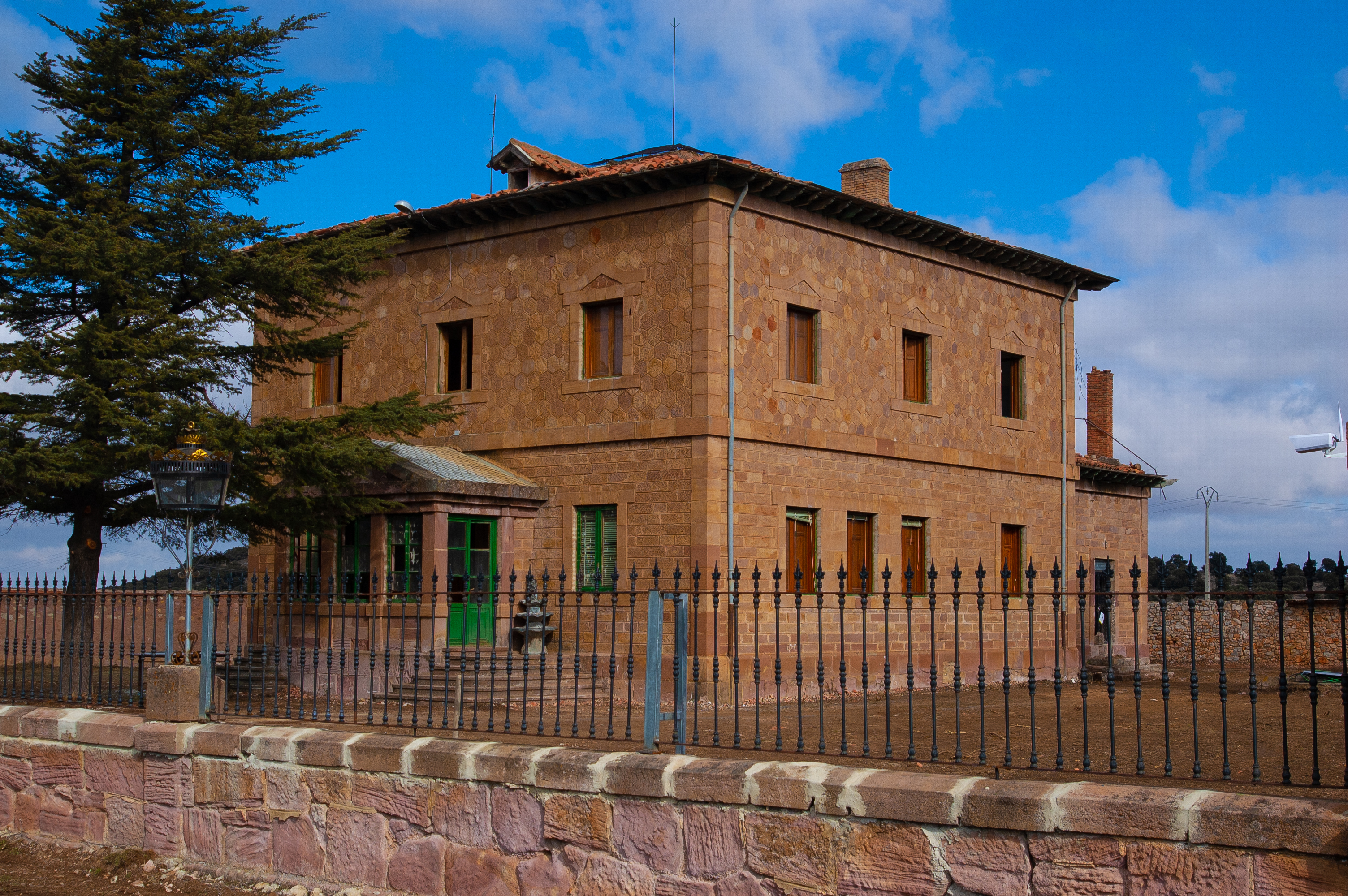
The Casa-Gerencia is an example of the power of the Compañía Minera de Sierra Menera.
The establishment of the mining company and the start of mining operations was accompanied by the arrival of a large number of workers from other regions, such as Andalusia and the Basque Country, and the construction of a range of infrastructure to house them and offer them services to enable them to live in the area.
Thus, a total of six neighbourhoods were built housing staff and services. These neighbourhoods were known as Relojería, Hospital, Centro, Gerencia, Estación and Casas de Manolo. They were spread over three main neighbourhoods: the Barrio del Norte, also known as the Barrio del Hospital, which, besides the building that lends it its name, housed the Guardia Civil barracks and housing for the workers; the Barrio del Centro, which contained most of the services provided for the workers, such as schools, sports facilities, a casino that also served as a cinema, the commissary and the church. It was undoubtedly the largest. Finally, the Barrio del Sur, which was divided in two. On the one hand, the Barrio de la Estación, where the railway workers lived and where depots were built, and on the other hand, the Barrio de la Gerencia, where the company’s offices were located.
These various architectural complexes have a varied construction history marked mainly by geographical conditions and, of course, the proximity of the mines. Nor should we forget other factors like technological development and the changes in living conditions.
The layout of these neighbourhoods was quite similar, since they all typically comprised single-family houses arranged to form straight streets.
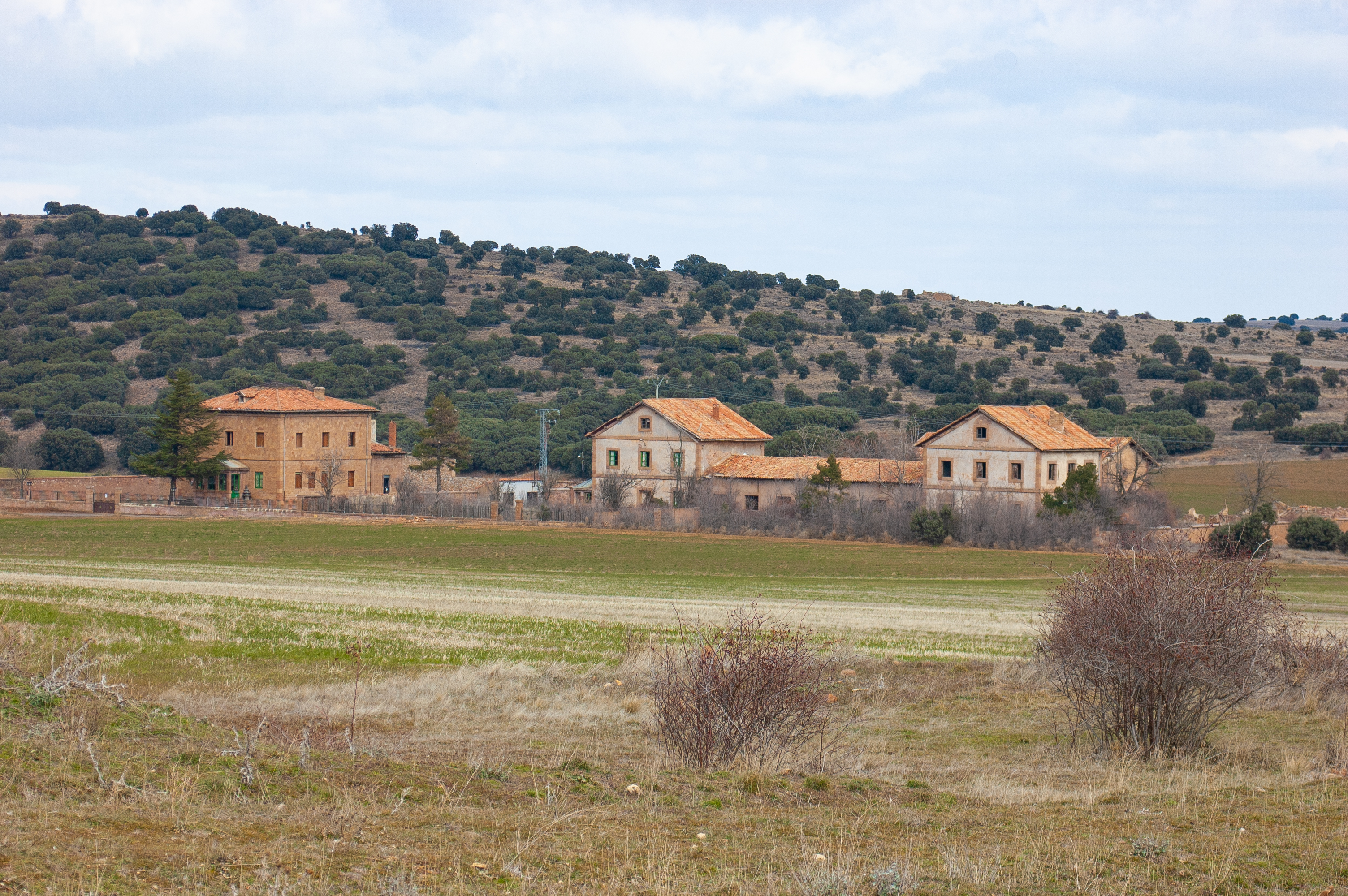
The most luxurious of them all was the Barrio Casa-Gerencia, where the owners and the company’s senior managers, such as the administrator and the engineers, were housed. This place oozed opulence and power, and it was also the site of the inn and the central offices.
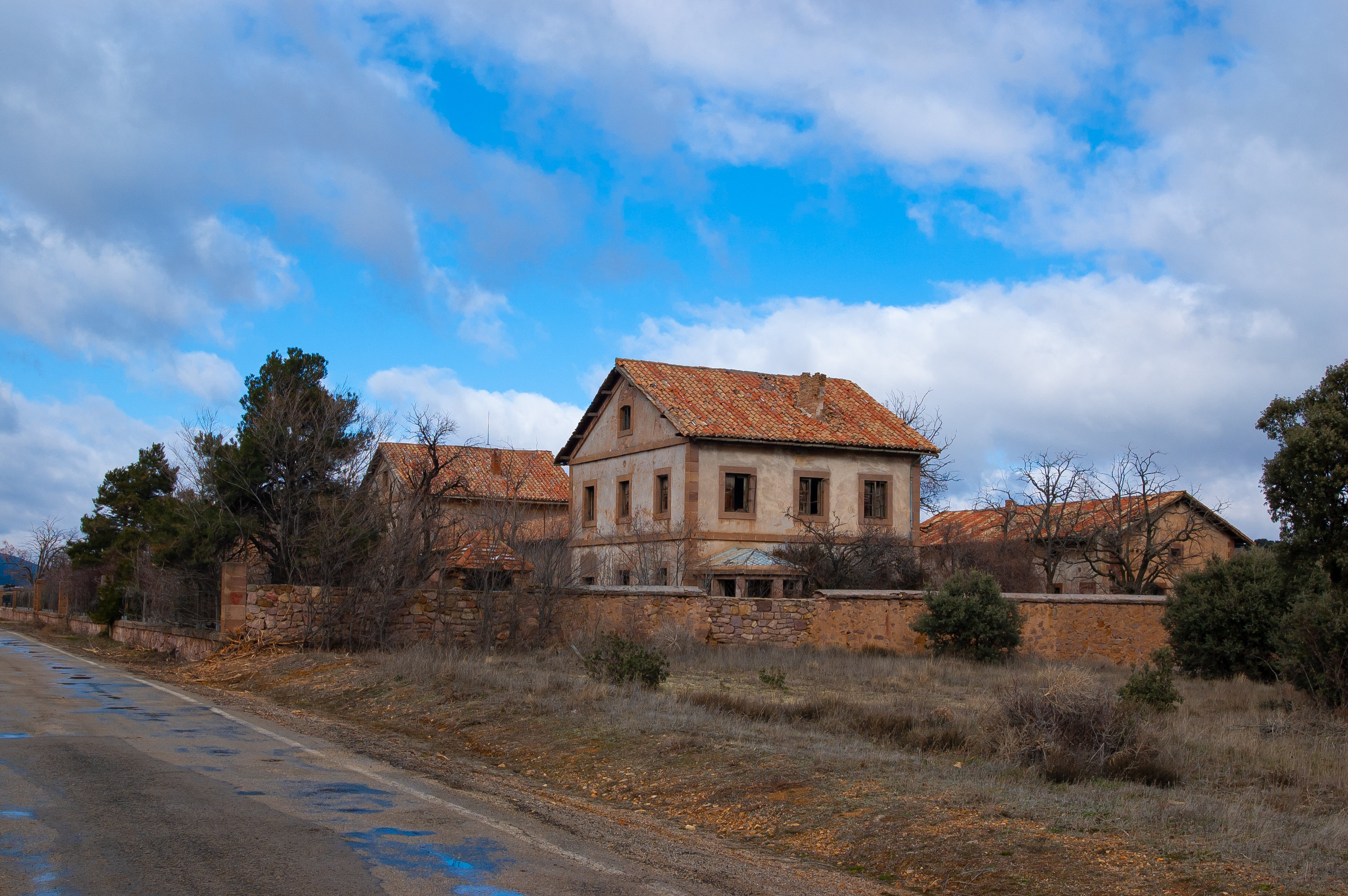
The complex is notable for the two large, two-storey stately homes and another, slightly slenderer building that belonged to the directors. Several garages and a pelota court were also built. These buildings were all surrounded by an enormous garden area and enclosed by a fence.
Although this settlement was unquestionably the most architecturally significant, it is currently abandoned.