

Puntos de Interés

Municipality
Luco de Jiloca
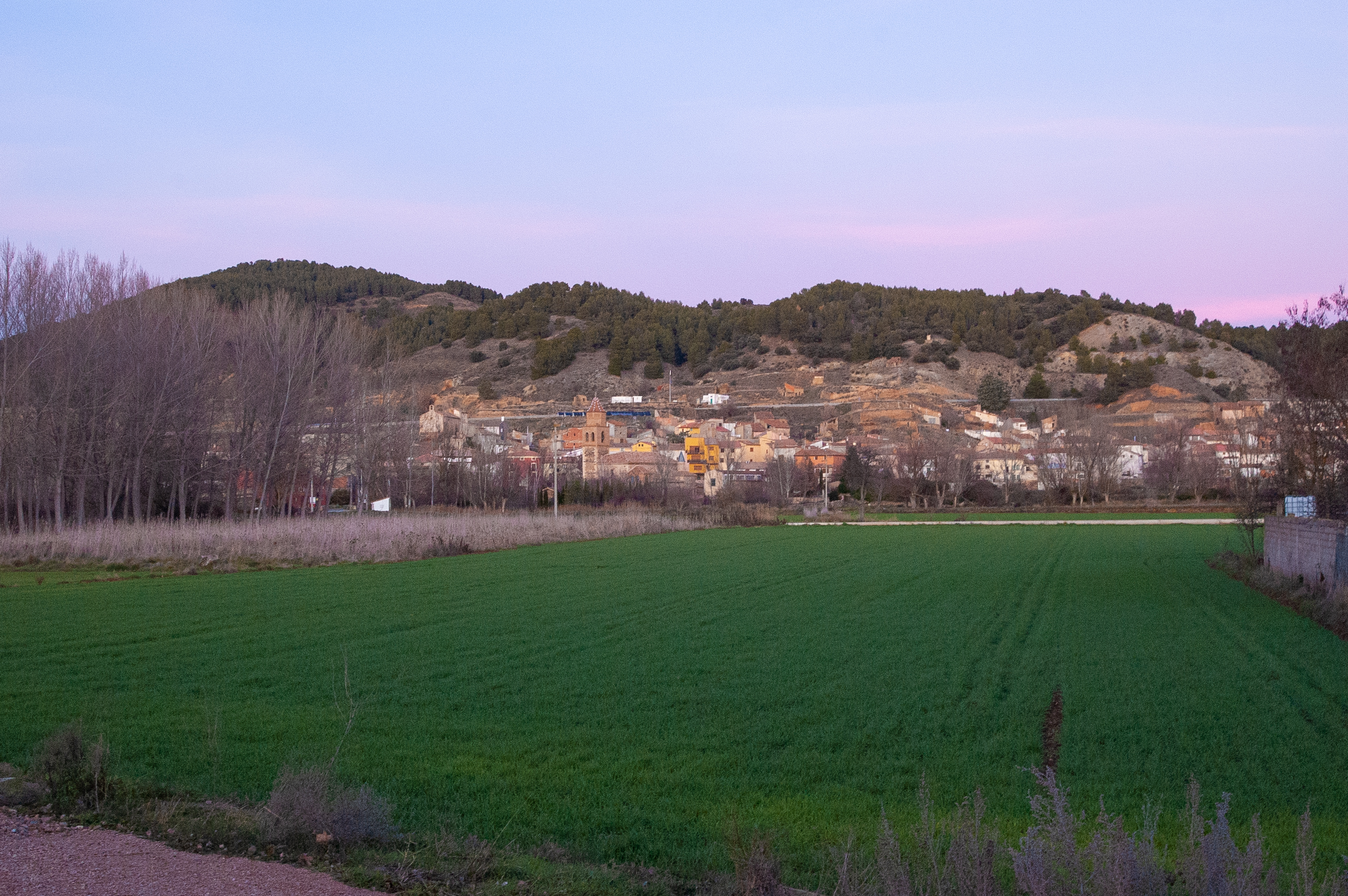
Luco de Jiloca is a village in the municipality of Calamocha, in Teruel province.
Its name derives from the Latin word lucus, meaning forest or sacred cave.
Two archaeological sites have been found in the municipality of Calamocha: Cabezo Raso and Entrambasaguas, both dating from between the 2nd and 1st centuries BC, thus demonstrating the presence of peoples in the area. However, the origin of Luco de Jiloca as a settlement can be traced to the era of the Christian conquest when it was mentioned for the first time in 1205.
During the reign of Jaime I of Aragon, the territory of Luco de Jiloca ceased to belong to the municipality of Daroca and became part of the Comunidad de Aldeas de Daroca, belonging to the old Río Jiloca Sesma. And nowadays, since its annexation in 1917, Luco de Jiloca is part of the town of Calamocha.
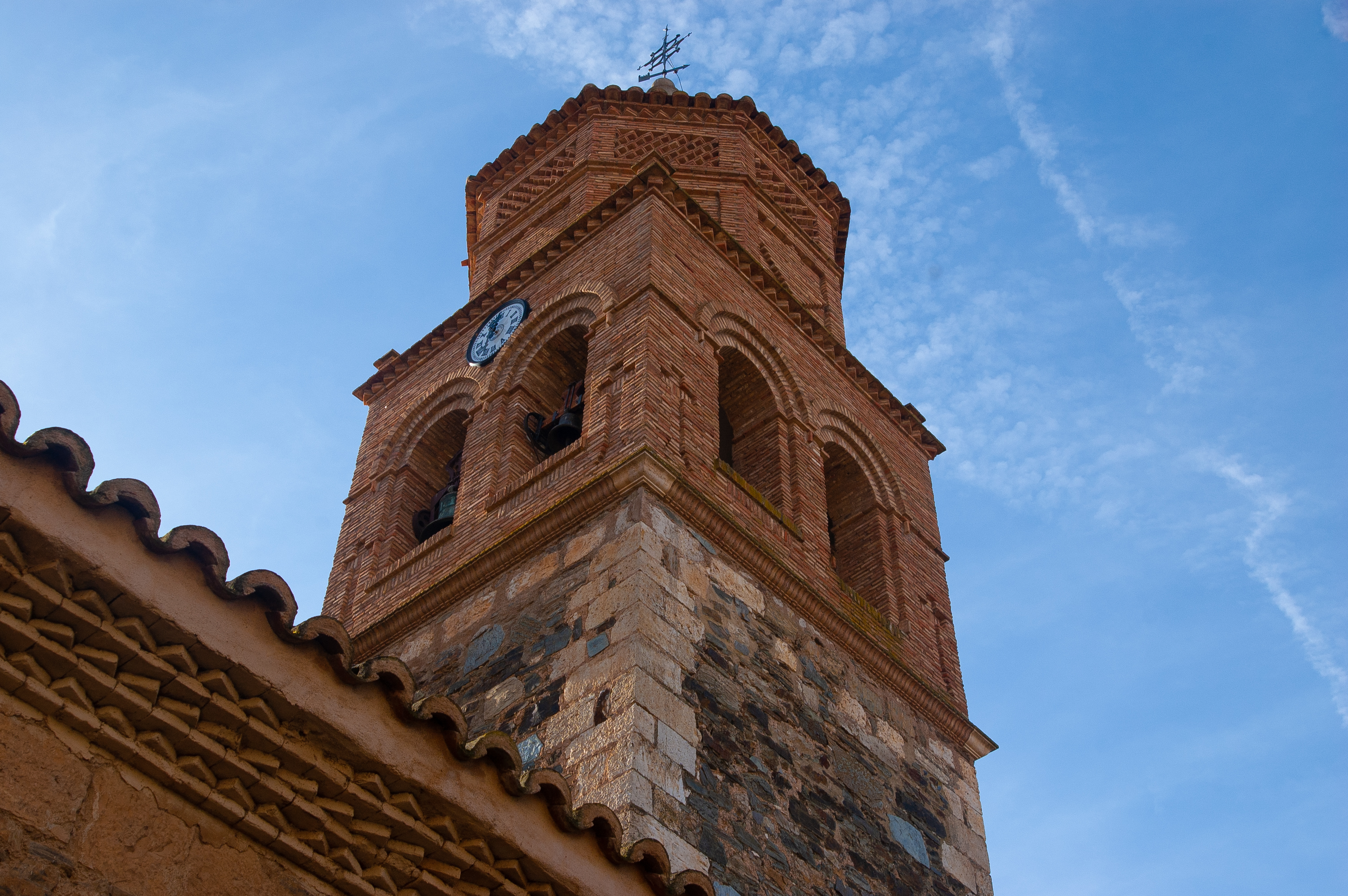
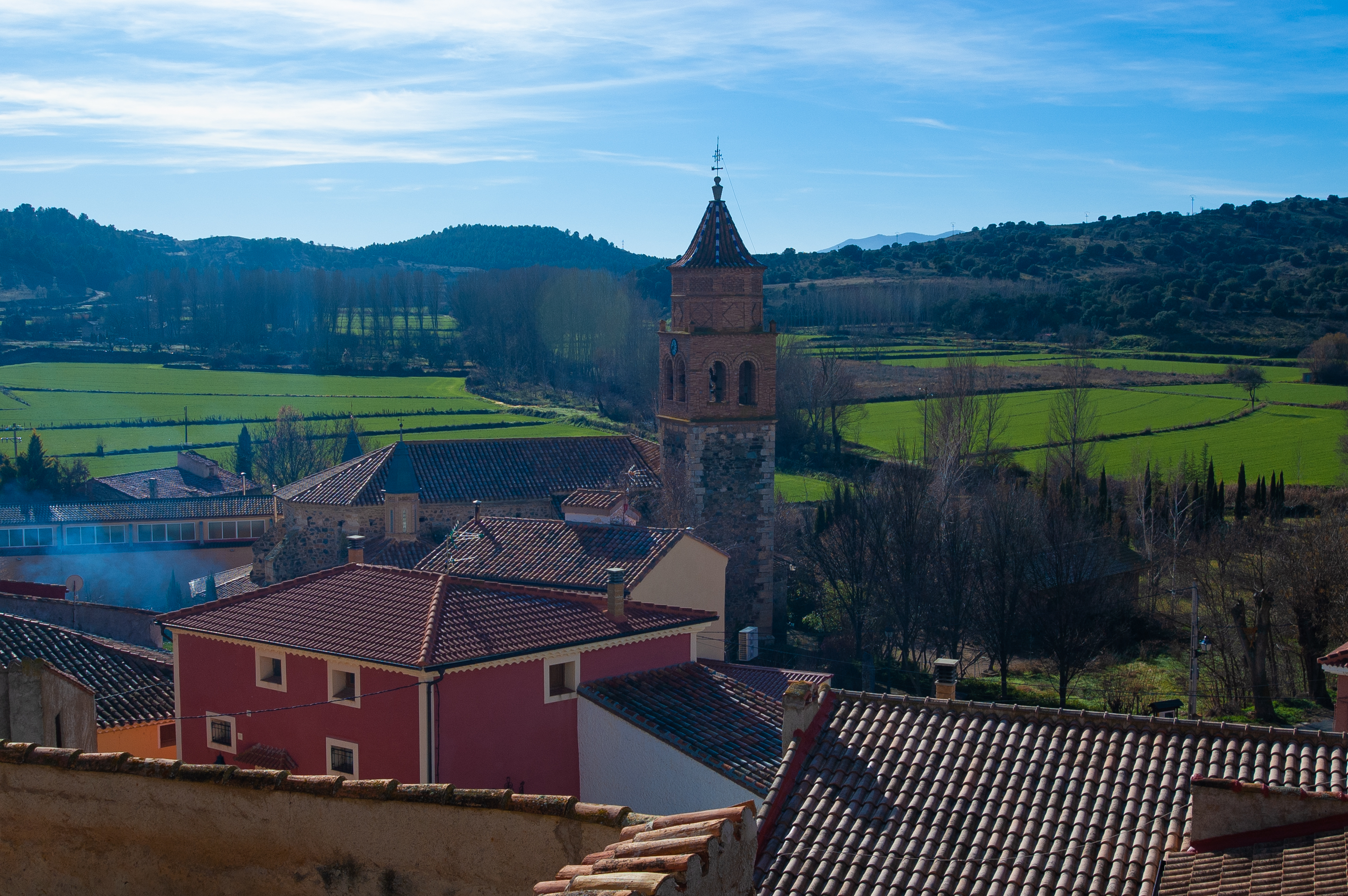
Its architectural heritage notably includes the parish church of the Asunción de Nuestra Señora, a church built in 1544 on the orders of the then Archbishop, Hernando de Aragón.
Its layout follows the Gothic church model prevalent throughout the 16th century, albeit with later Baroque additions. This is evident in its chancel, around which there are side chapels covered by a half-orange dome with a lantern.
The Roman bridge in Entrambasaguas, over the River Pancrudo, stands out among the civil architecture. It is believed that it was part of an ancient Roman road connecting the Roman city of Cesaraugusta and the Ibero-Roman city of Castulo, although its “donkey’s back” design is typical of medieval bridges.
In the centre of the village there are several stately homes, such as the Casa Grande, a classic 17th century Aragonese palace. There are also various hermitages such as the Virgen del Rosario hermitage, also known as the Entrambasaguas hermitage, the Santa Bárbara hermitage and the Santo Cristo hermitage. There is also a pair of wayside crosses: the Virgen del Pilar Wayside Cross and the Virgen del Rosario Wayside Cross.
Regarding the festivities, the patron saint festival in honour of Nuestra Señora la Virgen del Rosario is held on the first weekend of August.
But there is no doubt that the most famous event in the town is the “Zarragones” Carnival, which was revived in 2003 by the Zarragones Cultural Association, an event of great cultural and heritage interest which, until the Spanish Civil War, was unquestionably one of the most popular festivals in the Jiloca Valley.