


Puntos de Interés

Municipality
Anento
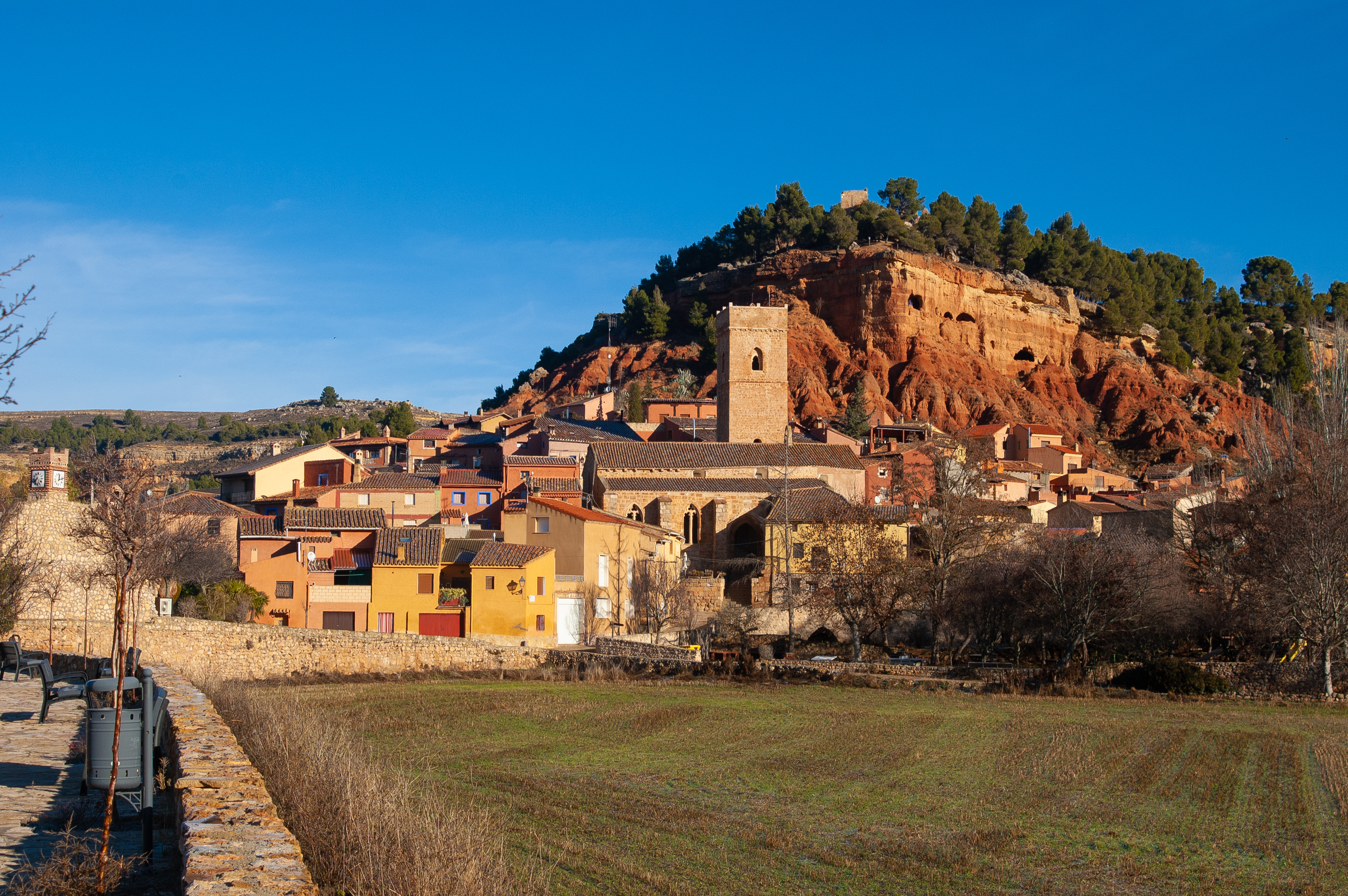
Anento is a small village south of Zaragoza, near the provincial border with Teruel, which belongs to the Campo de Daroca District.
The origins of this village lie in the Iron Age. Its origins are closely related to the arrival of the Celts in the Iberian Peninsula (12th BC) and to the consolidation, in the Iberian Cordillera, of various Celtiberian settlements.
In 1248, by order of Jaime I of Aragon, Anento, along other nearby towns such as San Martín del Río, became part of the Comunidad de Aldeas de Daroca. This Comunidad was a jurisdictional district founded in the 12th century by the Count of Barcelona, within the old Kingdom of Aragon, and it was divided into six sesmas, with Anento belonging to the Campo de Gallocanta Sesma, which was finally dissolved in 1838.
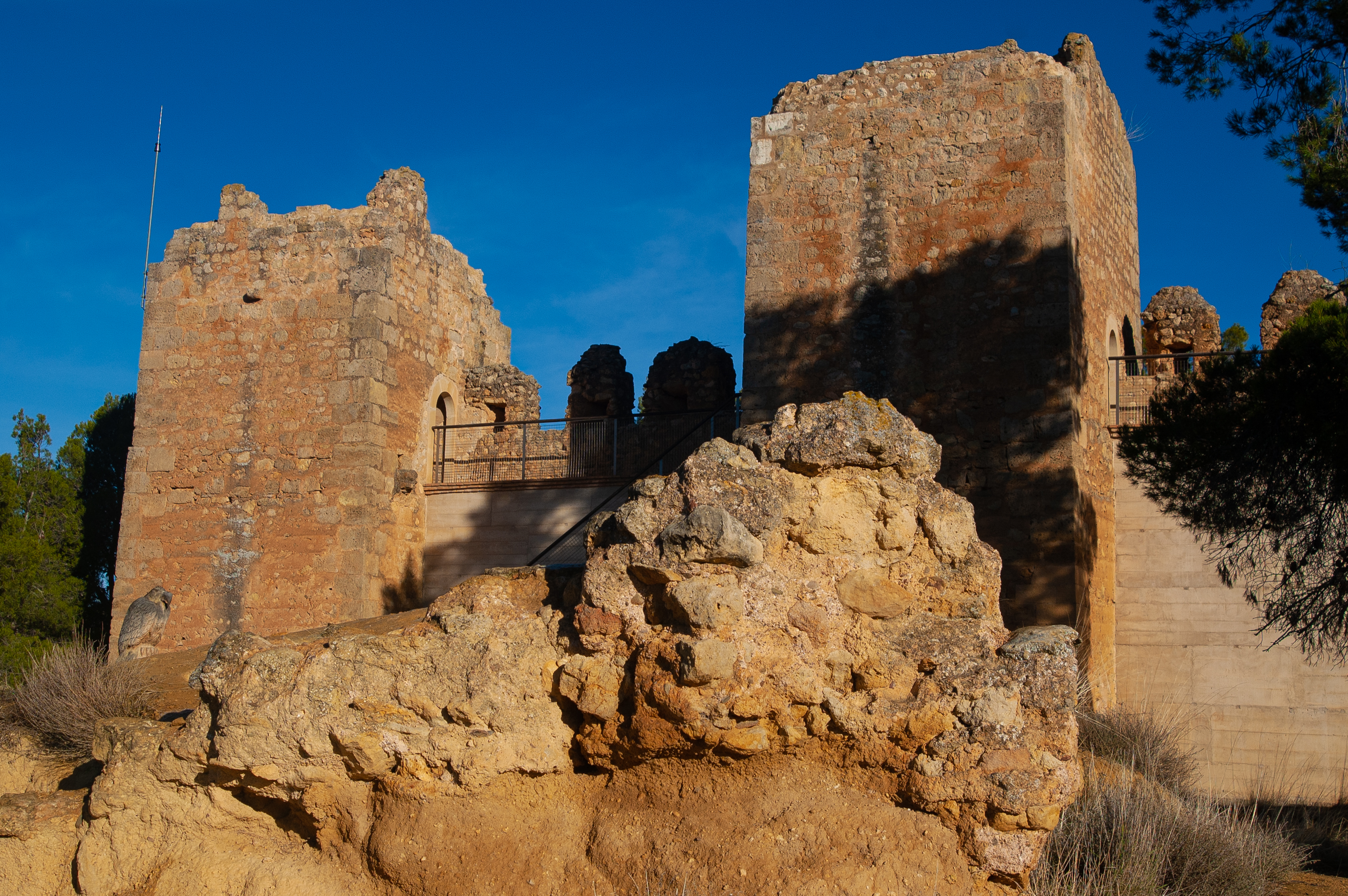
Among the monuments in this village, one must highlight the ancient Anento castle, which has been in the village since the 12th century and which was founded by the Comunidad de Aldeas de Daroca, and of which only part of the main wall and twin towers remain. Another major building is the village’s Celtiberian tower, called name of San Cristóbal Tower, which dates to 200 BC ans which is at the top of the Aguallueve Valley.
As for religious architecture, the Parish Church of San Blas is a 13th century Romanesque building, with later Gothic-style additions in the portico and at the entrance (14th century). This building has a single nave, featuring a bell tower attached to the chancel, dating from the 15th century.
Also worth nothing are the Santa Bárbara hermitage, the Mudejar Virgen del Pilar wayside cross, and the Virgen del Rosario wayside cross, as well as other civil constructions such as: a kiln, a beehive, a weaving mill, a wine cellar, an icebox, well and mills.
This village, clearly marked by a medieval style, is in a valley where the waters of the Aguallueve spring and the River Jiloca meet. Surrounded by mountains in which visitors can enjoy various caves and other geological features such as the Recuenco.
As regards festivities, the main festival, in honour of the Virgin and San Roque, is held on 15 and 16 August. The Virgen del Rosario festivities are held on the first Sunday of October and the winter festivals, in honour of San Blas and Santa Águeda, on 3 and 5 February.
It is also a tradition that on San Juan’s Day (24 June) the walnuts are gathered from the walnut trees (Juglans regia) to make the well-known San Juanero wine, and at night the Alviojos, a thistle, which is said to ward off the “evil eye”, are picked in the stables.