

Puntos de Interés

Municipality
Burbáguena
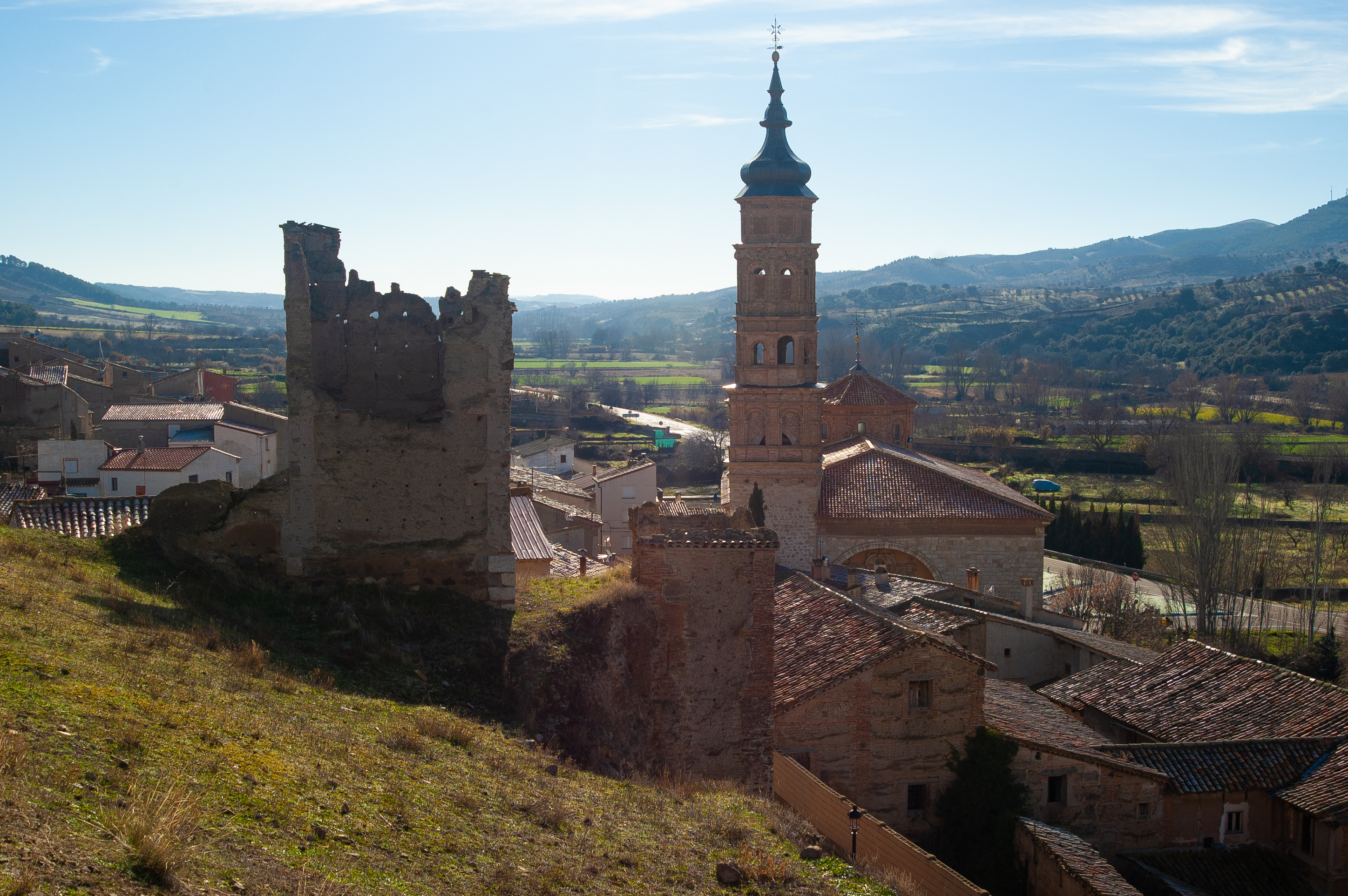
Burbáguena is a municipality in Teruel province, 87 km from the provincial capital, in the Jiloca District.
Its name is a compound term preceded by the root bur, which is of Arabic origin, which exemplifies the great influence of the Muslim people on this Aragonese village.
Burbáguena’s origins lie in various Celtiberian settlements. This territory was later occupied by Romans and by Muslims until the conquest of Teruel, in the 12th century, by Alfonso II of Aragon.
The first written mention of the municipality dates to 1156. According to surviving records, Burbáguena was owned by the Order of the Hospital of the Holy Redeemer, before passing into the hands of the Order of the Temple in 1196. In 1248, under the reign of Jaime I of Aragon, Burbáguena became part of the Comunidad de Aldeas de Daroca, within the Río Jiloca Sesma.
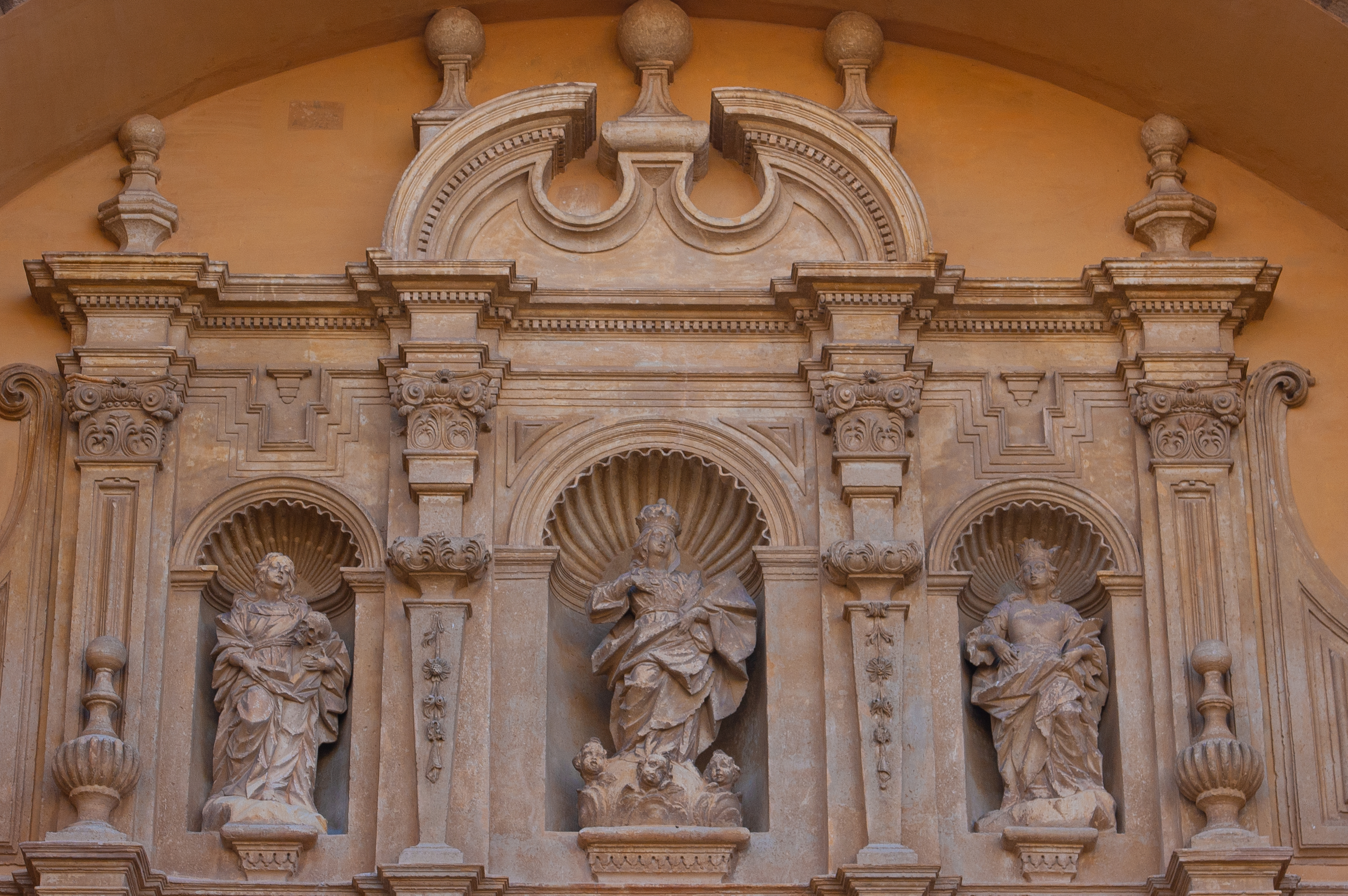
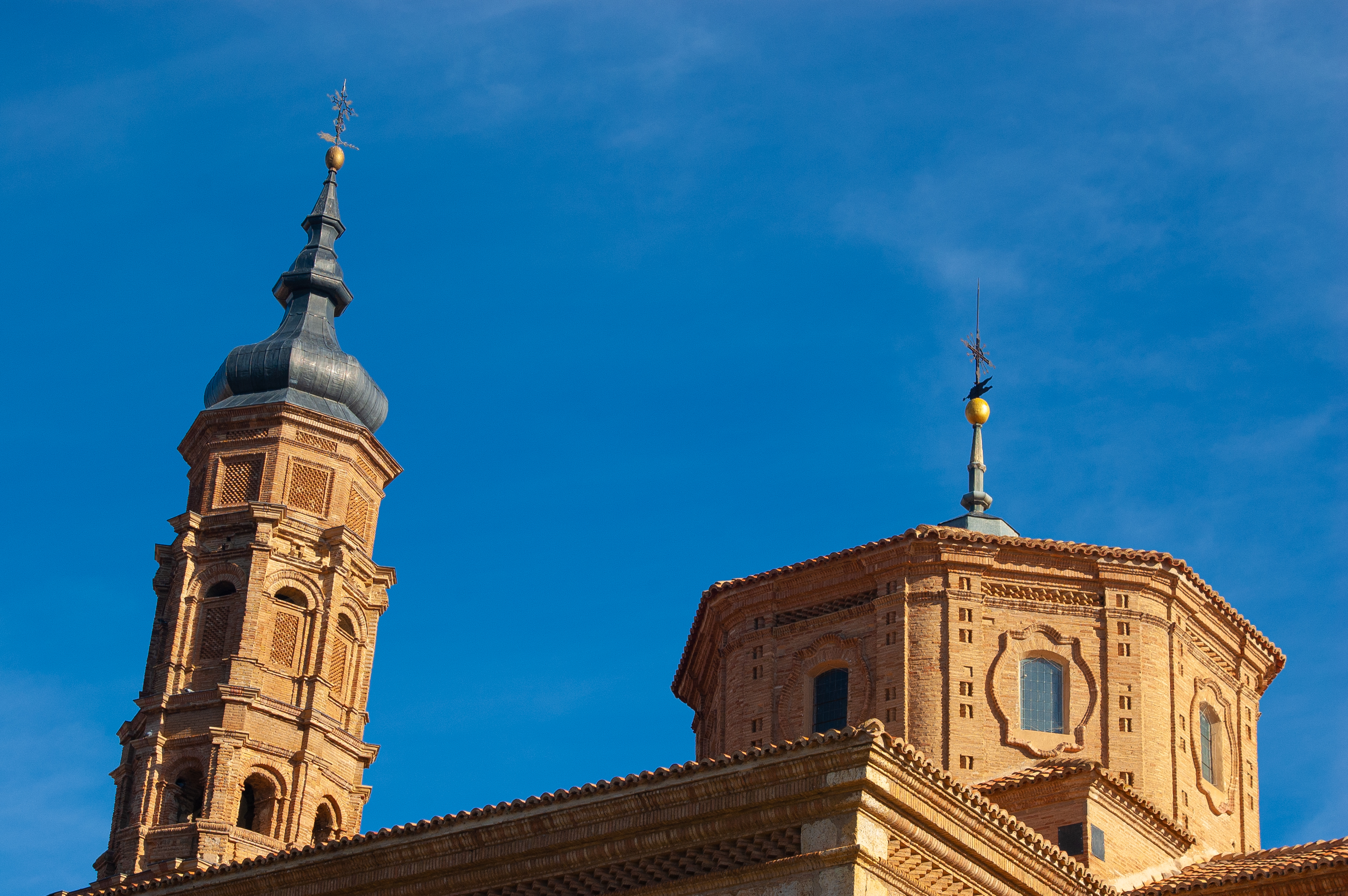
As for the town’s monuments, the Parish Church of Nuestra Señora de los Ángeles stands out; it was built on the site of an earlier 16th century church. This is an 18th century temple, built by the master builder Francisco Subirón. A building in a Baroque style, but which a great influence of Mudejar art, it was declared an Asset of Cultural Interest in 2002.
Within the village proper there are various palaces and palatial houses, from the 16th and 17th centuries, in the Aragonese Renaissance style. One of the most outstanding is the Palacio de los Latorre, which belong to the Marquises of Montemuzo, and which has more than 30 m of façade decorated with coffered ceilings, cornices, imposts and pediments from a 20th century remodelling. Casa de Don Juan, Casa de los Gonzalo de Liria and Casa Liñán are also important.
What is known as the medieval castle of Burbáguena is on the top of a platform, from which the village can be seen, and dates to the 12th century. Although now in runs, part of the wall and two of its towers are still visible.
The municipality has various hermitages such as: San Pedro Mártir hermitage and San Bernabé hermitage, both from the 17th century, and San Nicolás hermitage, from the 18th century, as well as the San Antón and Virgen de Herrera wayside crosses.
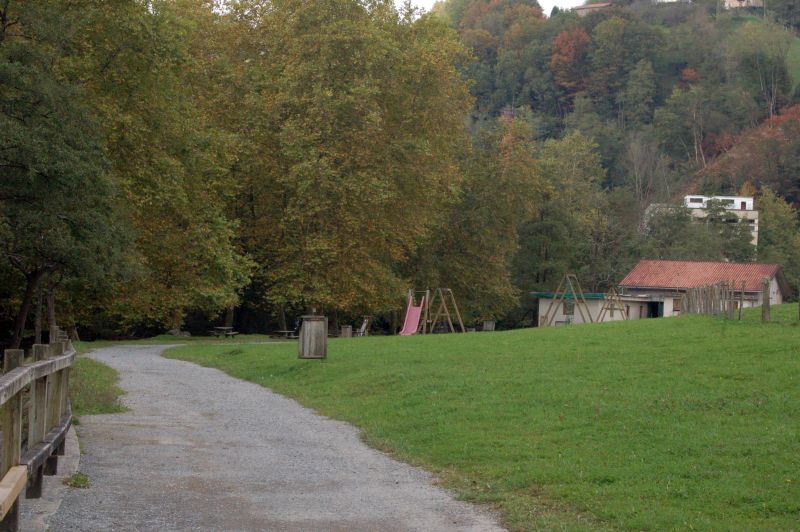
Burbáguena is in an important natural area, which several ravines running through it, such as the Rambla de la Cueva, the Rambla de Valdetuera and the Rambla del Puerto, as well as the waters of the River Jiloca. The Gallocanta Lagoon Nature Reserve is also near the municipality.
As for festivities, the patron saint festivities in honour of San Pedro Mártir, also known as San Pedro de Verona, take place on the last weekend of April. The town also celebrates the feasts of San Antonio Abad, on 17 January, and the Festivities in honour of San Bernabé, which have been moved to August.