

Puntos de Interés

Municipality
Cidones
Cidones is a municipality located in the central-northern part of the province of Soria also encompassing the villages of Villaverde del Monte, Herreros and Ocenilla, which have formed part of Cidones since the late 20th century.
The village of Cidones itself boasts an enviable location, its old centre standing at the foot of Mount Berrún, with the Cuerda del Pozo reservoir, the Sierra de Cabrejas mountains and Mount Valonsadero all located nearby also. It is home to numerous protected areas included in the Natura 2000 Network.
The archaeological sites found here show that the area has been inhabited since the Iron Age. In fact, in the village of Ocenilla, a 3rd or 2nd century BC Celtiberian castro hill fort was discovered, consisting of a wall and towers next to the entrance gate. According to archaeological studies of the site, this settlement was inhabited up until the Visigothic period.
Also part of the municipality of Cidones is a place that has been uninhabited since the end of the Middle Ages known as Malluembre. This property was granted to a member of the royal family as a rounded preserve in the 15th century.
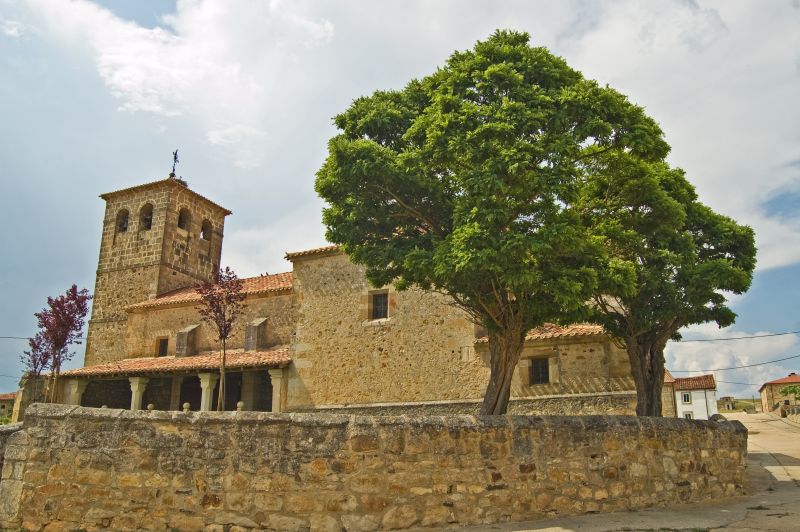
In terms of architectural heritage, Cidones boasts the Church of San Miguel Arcángel and the Shrine of Cristo de la Buena Muerte, both of which date from the 18th century and were renovated at a later date. In terms of civil architecture, there are also some large house of interest that reflect the popular architecture of the area. There are also a number of houses built by locals who had emigrated to Latin America and who, on their return to Cidones, built their homes with visible influences of colonial architecture. According to one story in the municipality of Cidones, the poet Antonio Machado may have stayed in one of these houses during his journey to the nearby Laguna Negra, on which the story of La Tierra de Alvargonzález is based.
Cidones celebrates the Cruz de May festivals on 3 May each year. The town's patron saint festivities take place on the third weekend in August and are held in honour of the Cristo de la Buena Muerte.