


Puntos de Interés

Infrastructure
Old Balazote Station
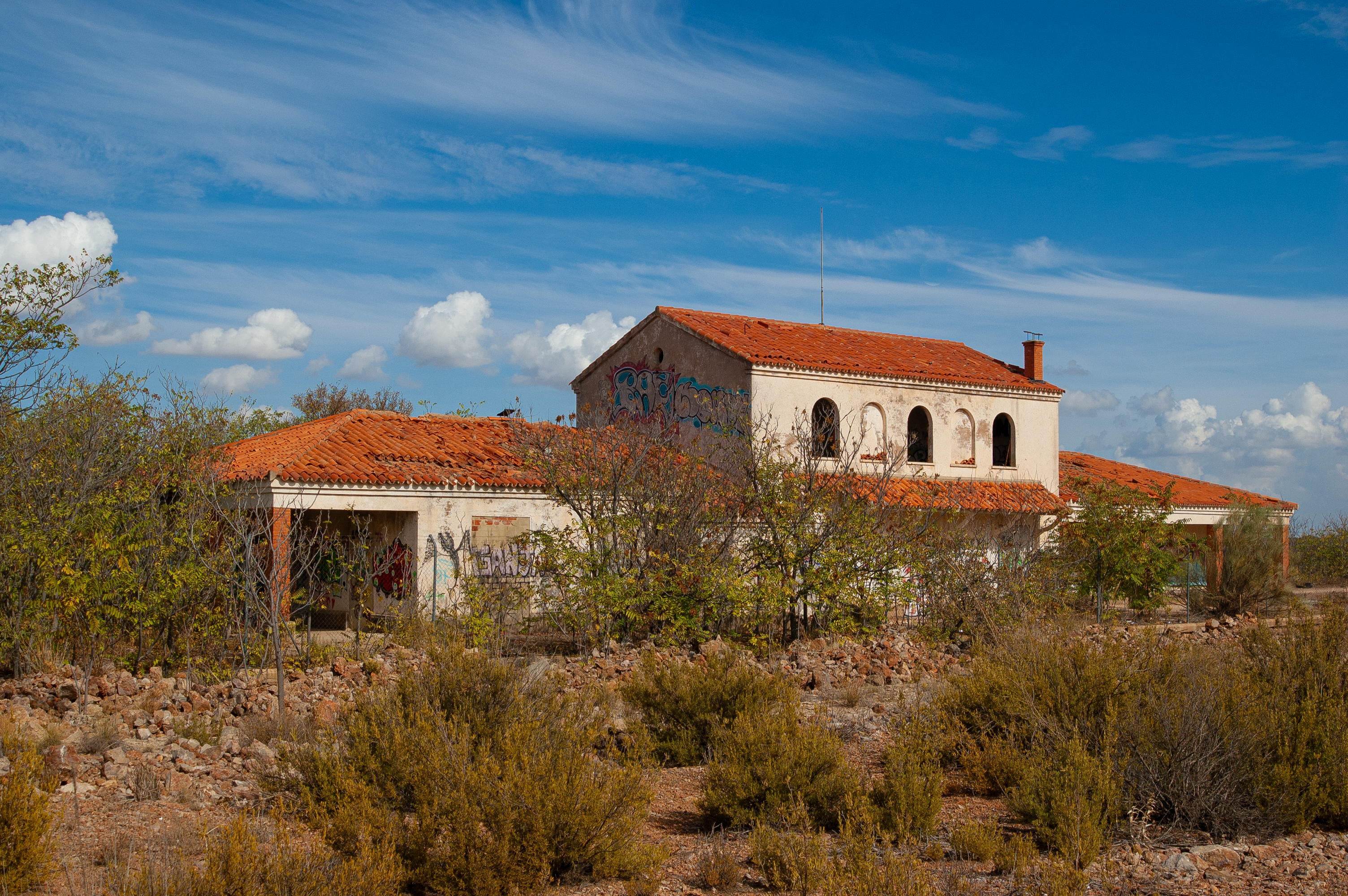
The old Balazote station is one of the most striking vestiges of the Baeza-Utiel railway: an ambitious project embarked upon in 1927 but one that never came into service. The project for this railway was included in the Priority Plan for Urgent Railway Construction, popularly known as the Guadalhorce Plan, in 1926.
One of the milestones of this plan was to build a strategic line connecting Algeciras to the French border. The project included a railway line from Baeza to Saint-Girons, passing through Albacete, Utiel, Teruel, Alcañiz and Lérida. This line was divided into different stretches: Lérida – Saint-Girons (175km), Baeza – Utiel (366km), Utiel – Teruel (100km) and Teruel – Lérida (273km).
The Baeza-Utiel section had a total length of 366km, divided into four sections, three of which totalled 246km, linking Baeza with Albacete in early 1932, when the Guadalhorce Plan was repealed. These sections had been 60% completed, while the section linking Albacete and Utiel, which was further behind schedule, was only 30% complete.
After the end of the Civil War, work on the first three sections was resumed. But even when the track had already been laid with its sleepers and rails over 116km of the third section, and with laying of the first two sections of track located in the province of Jaén about to be put out to tender, a report from the International Bank for Reconstruction and Development caused the Ministry of Public Works to provisionally halt the works in January 1963. Only the Albacete station had brought into service.
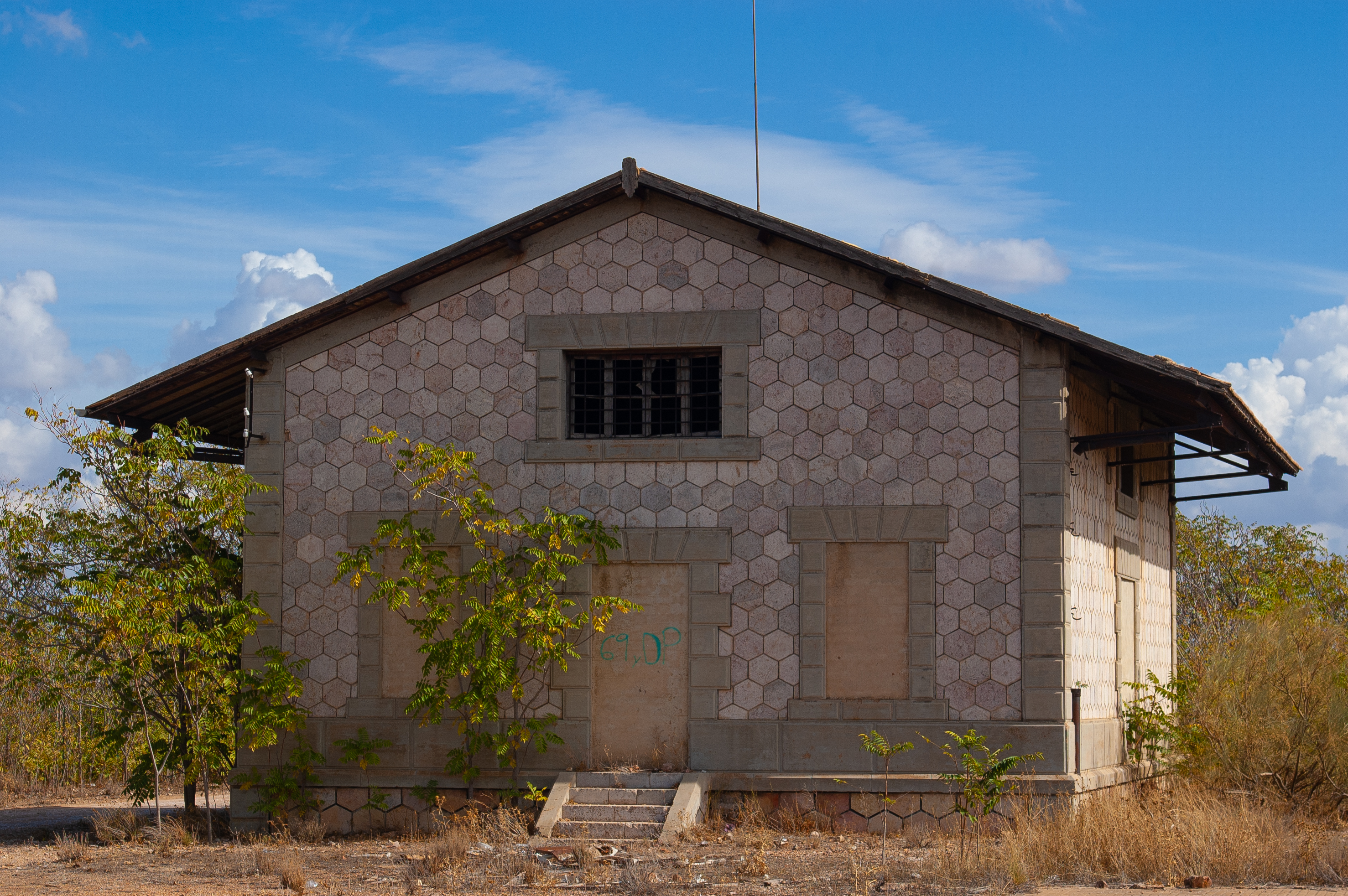
Work was never resumed and construction was abandoned definitively in 1985.
Located near kilometre 31 of the route of the Renacimiento Greenway Nature Trail, the Balazote station still conserves the platform, the remains of the goods dock and the silhouette of the main building made up of three covered bodies with a tiled gable roof with its doors and windows overlooking the landscape of La Mancha. The lower floor housed the passenger waiting room, ticket offices and toilets, while the upper floor would house the living quarters for the stationmaster and his family.
In the area around the station, archaeological excavations have uncovered important Iberian-Roman remains, including the famous Bicha de Balazote, a sculpture dating to between the 5th and 4th centuries BC, closely linked to the territory, and considered one of the finest pieces of Iberian art, alongside the Dama de Elche.