

Puntos de Interés

Hydrography
Gallocanta lagoon
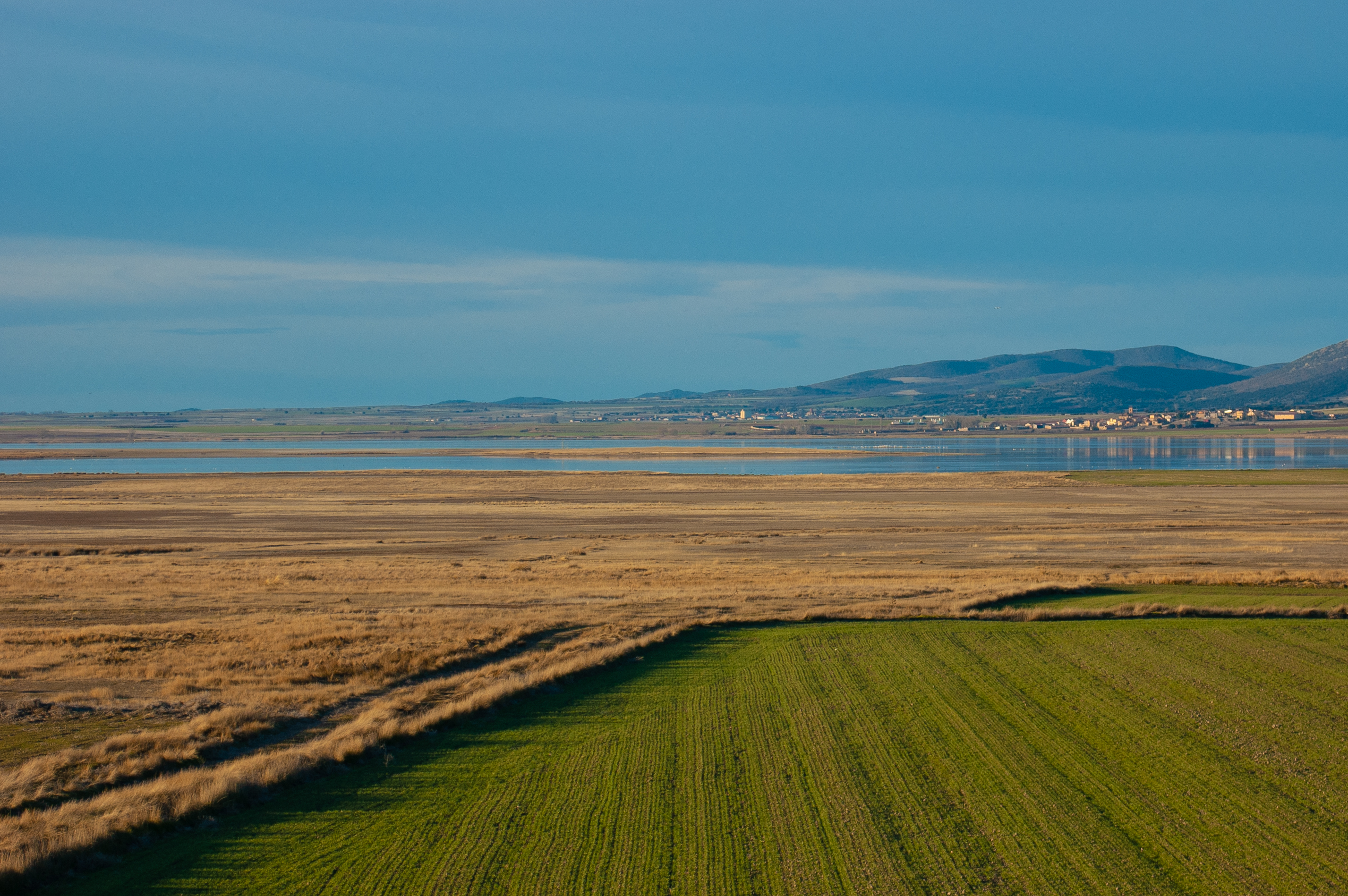
The Laguna de Gallocanta Managed Nature Reserve is between the Aragonese provinces of Zaragoza and Teruel, more specifically between the districts of Jiloca and Campo de Daroca.
It is a natural space that covers an area of almost 2,000 hectares, plus a further 4,500 hectares of peripheral protected area.
This lagoon, around which the Nature Reserve is set, is on a plateau at an altitude of almost 1,000 m. It is 7.5 km long, 2.5 km wide and, in periods of heavy rainfall, can reach a depth of 2 m.
It is one of the principal saline wetlands in Europe and the Iberian Peninsula. A unique ecosystem that lies in an endorheic basin, with no outlet to a riverbed or to the sea, it receives its water from phreatic currents, thus making the soil highly saline.
But, without a doubt, the importance of this natural site lies in the number of wading, nesting, wintering and transient birds that inhabit the lagoon, making it a true ornithological paradise.
There are more than 220 species in the Nature Reserve, including the griffon vulture (Gyps fulvus), the hoopoe (Upupa epops), the common coot (Fulica atra), the common pochard (Aythya ferina), the mallard (Anas platyrhynchos), the teal (Anas crecca), the lapwing (Vanellus vanellus), the golden eagle (Aquila chrysaetos) and the curlew (Numenius).
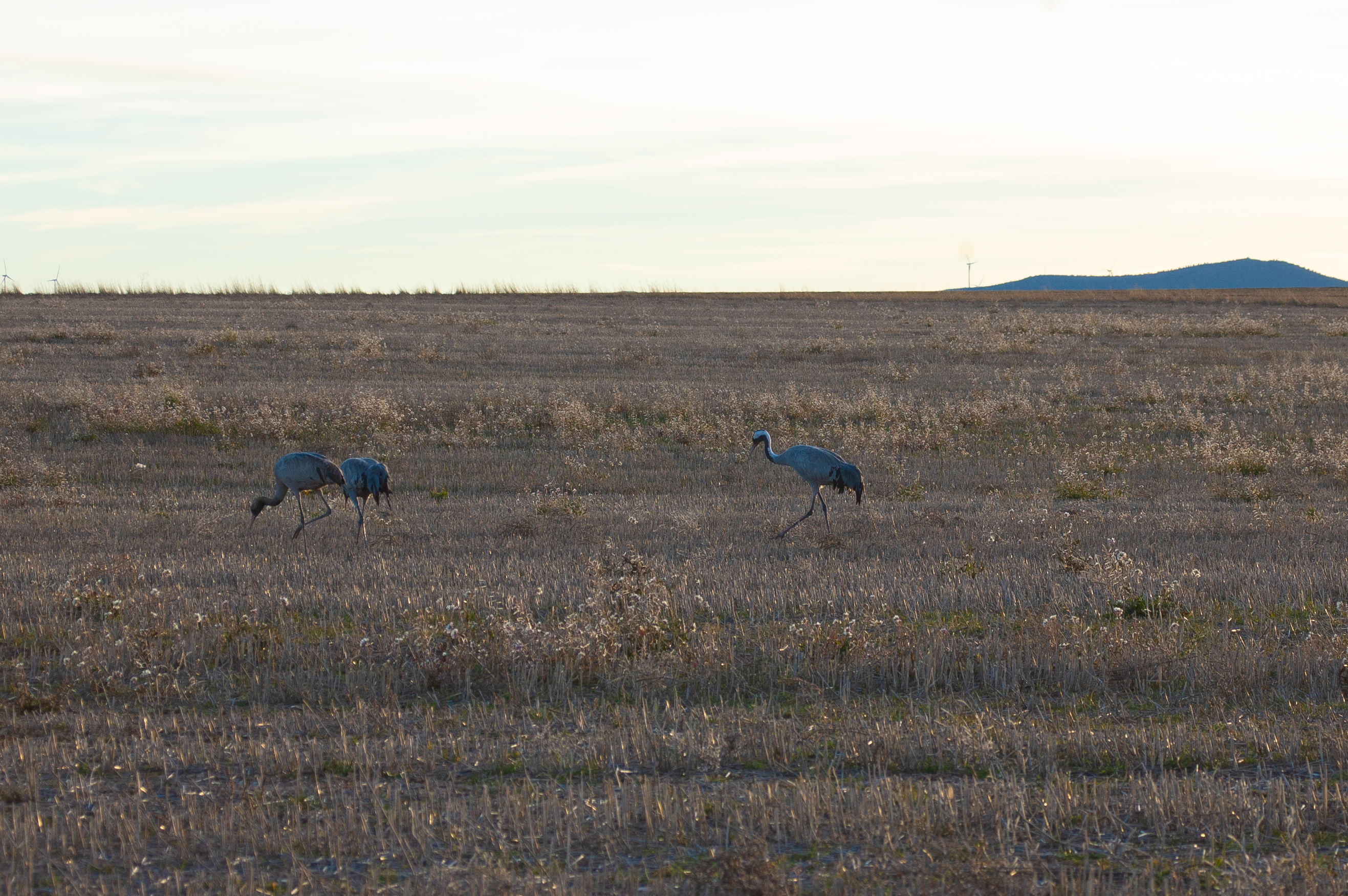
However, if there is one species that stands out, it is the common crane (Grus grus), which has made the Gallocanta Lagoon a favourite place to stop over during its migrations. The vast majority of the European population migrates to this Nature Reserve and up to 100,000 individuals have been recorded. A natural visual and acoustic spectacle that can be observed in mid-October.
As regards vegetation, there are coastal biological communities in an acceptable state of conservation, which stand out from the steppe environment around the lagoon.
In the surrounding hills and mountains there are pines (Pinus sp.), gall oak (Quercus faginea), holm oak (Quercus ilex) and juniper (Juniperus communis), characteristic chaparral species. In the wetlands, poplars (Populus sp.) and rowan trees (Sorbus sp.) dominate the landscape.
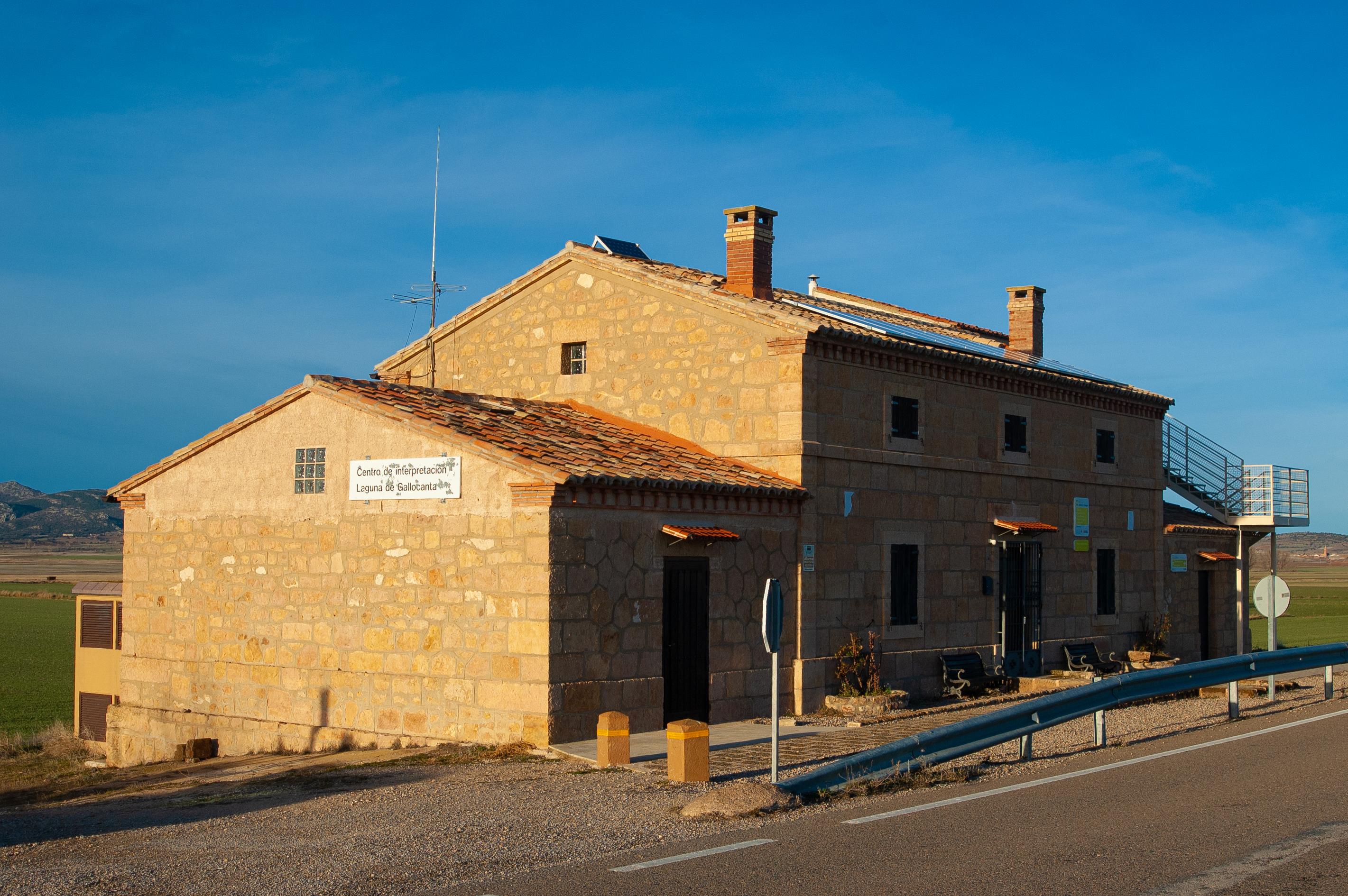
This Nature Reserve has an interpretation centre in a former farm labourers’ house between the villages of Tornos and Bello. Here you can see interactive exhibitions and audiovisual projections about the fauna, hydrography and geomorphology of the Gallocanta Lagoon.