

Puntos de Interés

Culture
Shrine of San Olav
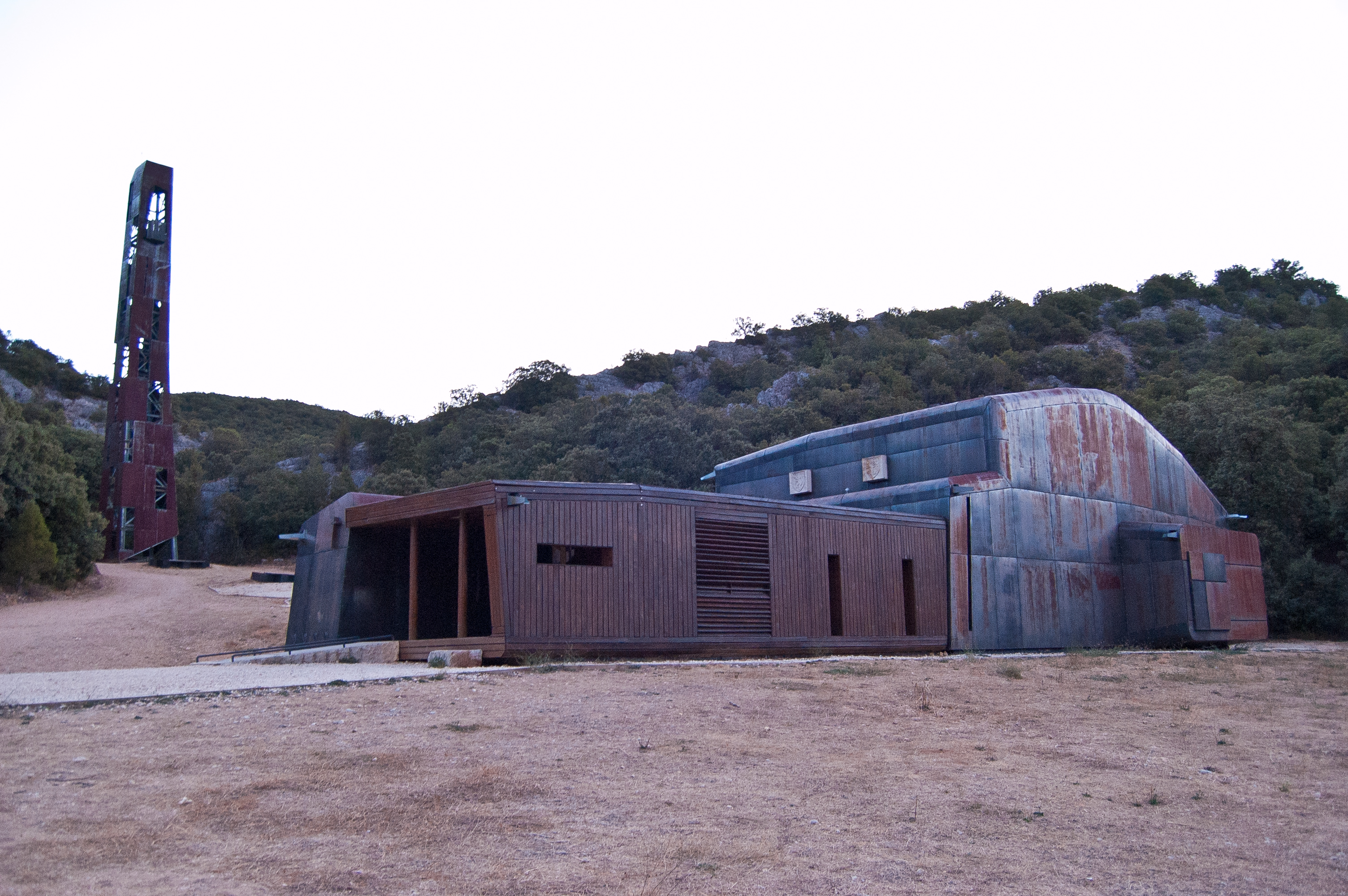
The Shrine of San Olav is a modern construction in honour of Princess Kristina of Norway, a figure that has been the subject of numerous legends and myths in Spain. In 1256, the young Nordic monarch married a brother of Alfonso X the Wise, who was then living in these lands of Burgos, when Princess Kristina of Norway arrived. After spending a few months in the area around the town of Covarrubias, the couple moved to exotic Seville where, far from her native Norway, and finding it hard to adjust to a city and climate she found completely alien, she died a few years later. Her remains were transferred to the Colegiata Church of Covarrubias and this Shrine of San Olav was built in his honour. This avant-garde building was a project initiated by the Norwegian Princess Kristina Foundation, in collaboration with Covarrubias Council, the Oslo School of Architecture and the Valladolid School of Architecture, with the support of the Embassy of Norway in Spain. In 2002, a competition was held among the students of both universities to come up with a design for a temple in honour of St. Olav. The winning project was based on a study of the Romanesque and pre-Romanesque churches in this part of Burgos. The work was undertaken in a valley, just over a kilometre from Covarrubias.
The interior of this building is all warm wood and natural light, thanks to its carefully studied layout. The natural slope has been used in one part of the site to accommodate a tiered seating area that provides a natural auditorium. It is a multifunctional space where not only religious ceremonies such as weddings, masses or pilgrimages are held, but it is also used for cultural events like exhibitions or concerts. It has a capacity of up to 100 people inside, although it can hold around 200 outside.
The Shrine of San Olav is part of the European Saint Olav Way Ways, an impressive network of pilgrimage routes to Trondheim totalling over 5,000 km, with over 2,000 km in Norway. This is one of the most important pilgrimage routes in European culture, through landscapes of contrasts and past vestiges of Viking and medieval history.