


Puntos de Interés

Culture
Monastery of San Pedro de Arlanza
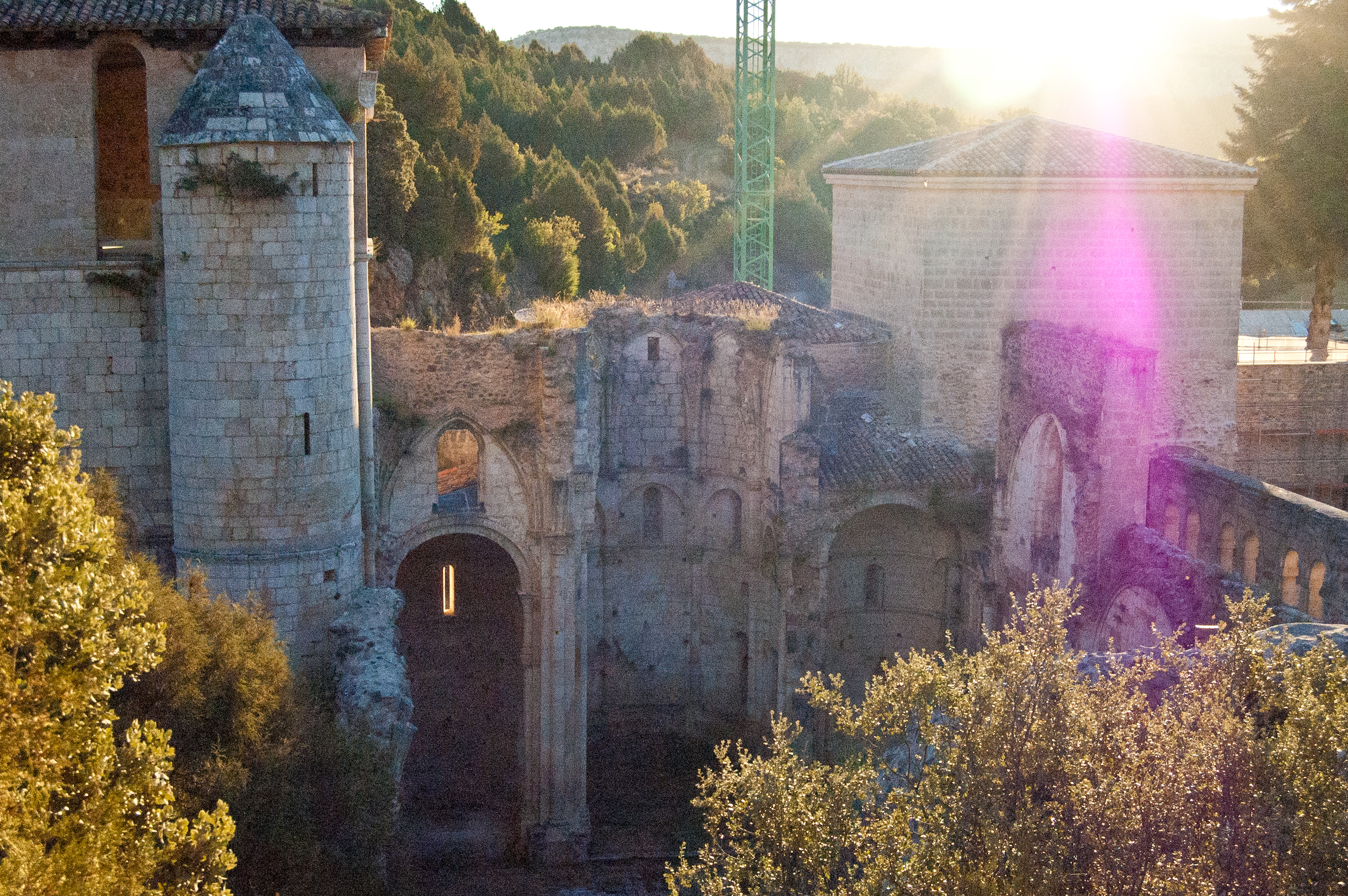
The Monastery of San Pedro de Arlanza, located in the town of Hortigüela in the heart of the province of Burgos, is considered one of the most important ecclesiastical buildings in the area and for years has been considered the "cradle of Castile". The building was listed as a historic-artistic monument in 1931.
It is believed that its construction is the responsibility of Gonzalo Fernández, the father of Fernán González, who ordered the monastery be built in the year 912. The monks of the order lived within its walls until the confiscation of Mendizábal in 1835, when the monastery was abandoned. The remains of Fernán González and his wife rested there until 1841, when they were transferred to the Colegiata Church of Covarrubias after the aforementioned confiscation.
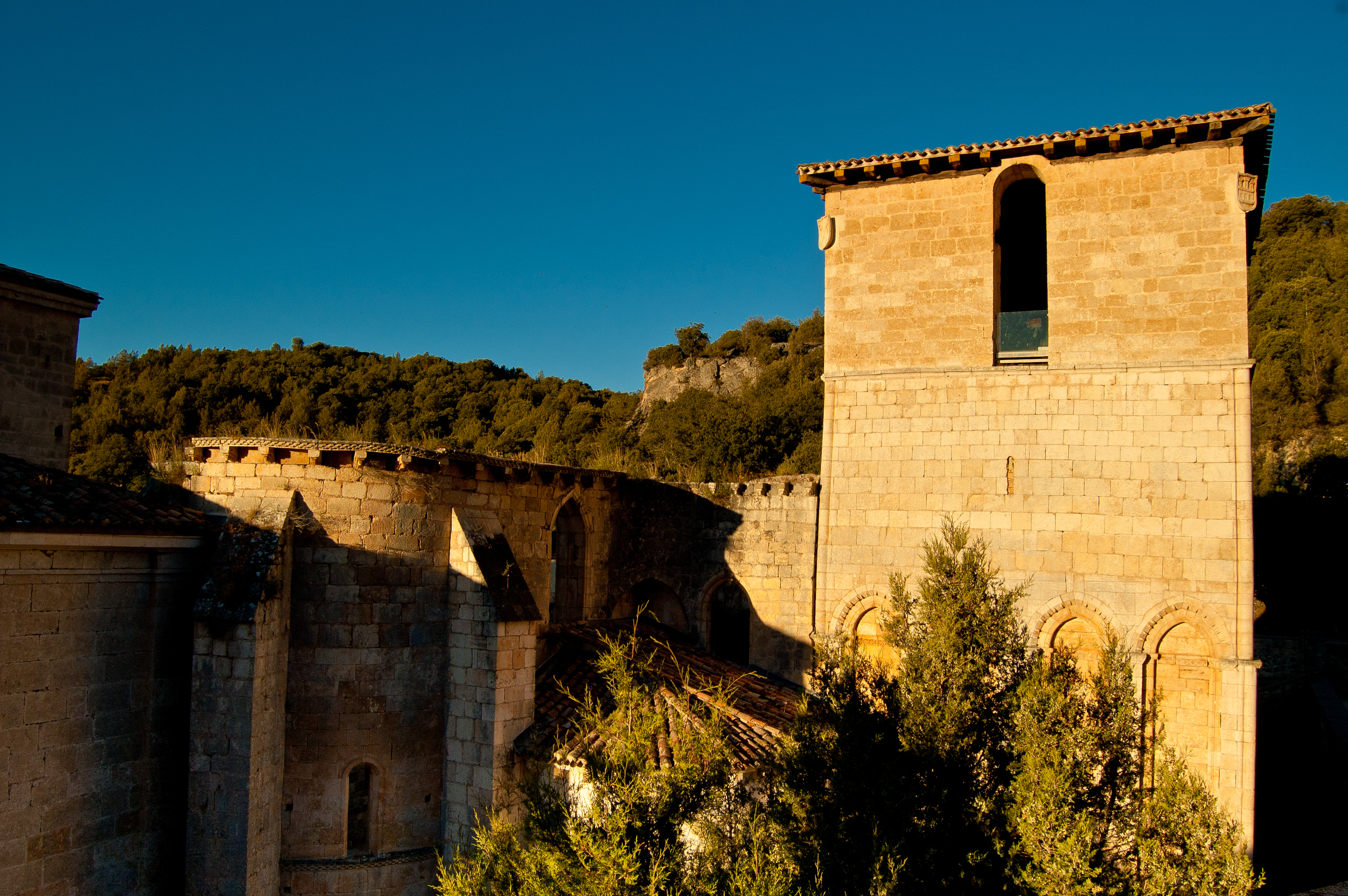
The oldest surviving part of the original construction is the church, which dates back to the 11th century. Although today only the remains of the church remain, the original building had three naves and three apses at the chevet. However, the appearance of the church changed during the Gothic period, although the 11th-century capitals have survived. The tower, built during the 12th century, and part of the cloister and the chapterhouse are also preserved.
Much of the artistic heritage that was within the walls of the Monastery of San Pedro de Arlanza is now scattered around the world. For example, the façade of the church was transferred to the National Archaeological Museum in 1895; another Romanesque tomb - in addition to that of Fernán González - was moved to Burgos Cathedral; while valuable frescoes are on display in the Metropolitan Museum in New York and in the National Art Museum of Catalonia.
The temple is open for visits from 10:30 am to 5:00 pm from October to April, while from May to September it is open from 11:00 am to 2:00 pm and from 4:00 pm to 7:50 pm. The monastery is closed on Mondays and Tuesdays and the first weekend of the month.