


Puntos de Interés

Culture
Visigothic shrine
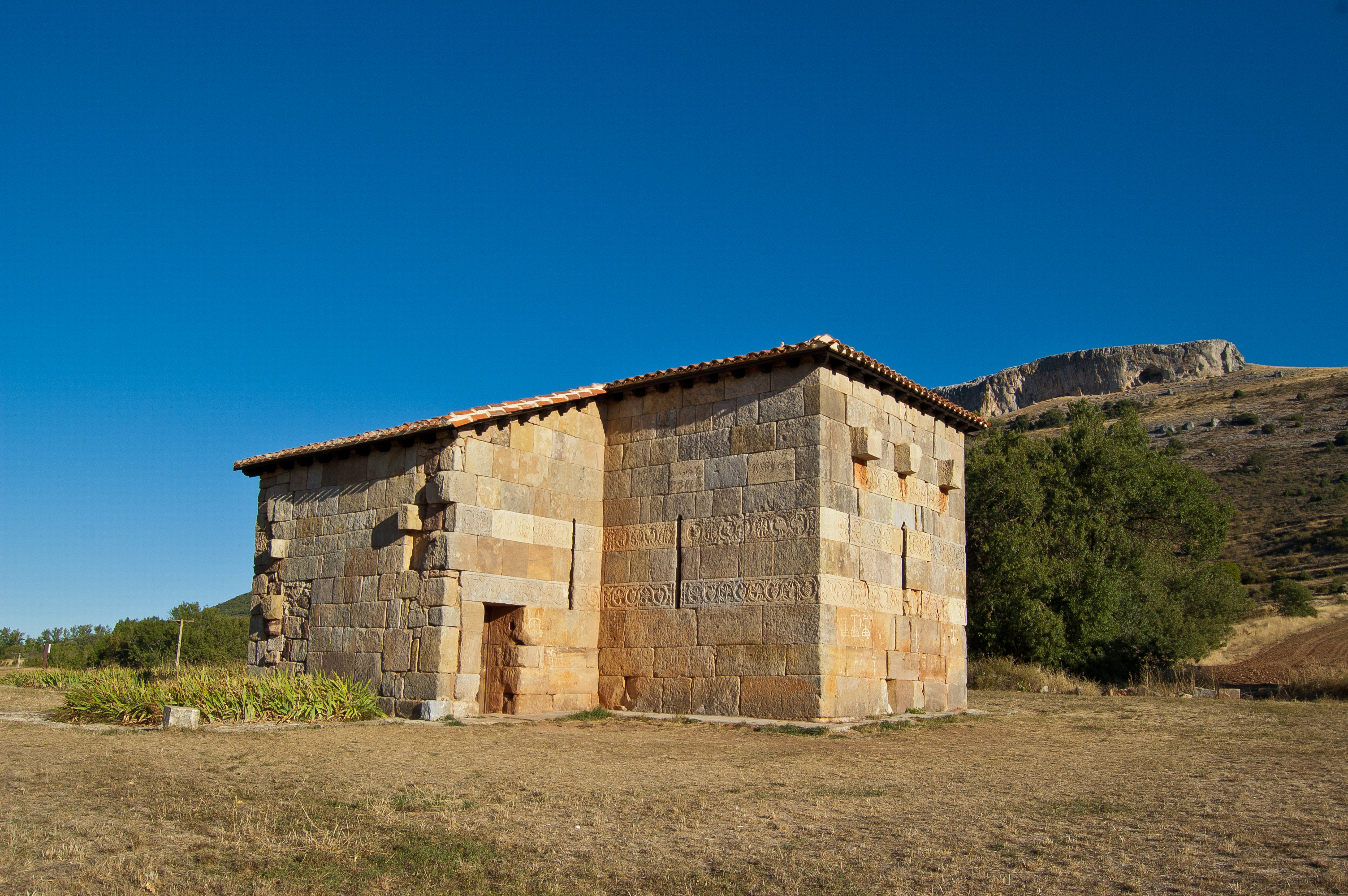
One of best examples of European Visigothic architecture is located in the hamlet of Quintanilla de las Viñas, in the heart of the province of Burgos. This temple, dedicated to Santa María, is located at the foot of what is known as the Castro de Lara, which in the past was of great historical importance in the birth of the Kingdom of Castile. Of the original shrine, only the square floor plan and the transept nave remain, but despite this, it is one of the most important heritage elements of the Visigothic era in Spain and all of Europe. In order to protect this monument and ensure its maintenance, it was declared a Protected Cultural Heritage site in 1929. Excavations in the area suggest that the construction of the original temple was incomplete, as only part of the foundations of the naves have been found.
The interior of the church also contains several stone blocks decorated with bas-reliefs depicting anthropomorphic figures. The different studies carried out in this temple led to the conclusion that it was central to the knowledge of medieval art, representing a transition between the classical cruciform Visigothic churches and those with three naves and a transept. The iconography inside the church is also indicative of Spain’s heritage, with it possible to see the influence of the Mozarabic style mixed with touches of European Romanesque in the depictions.
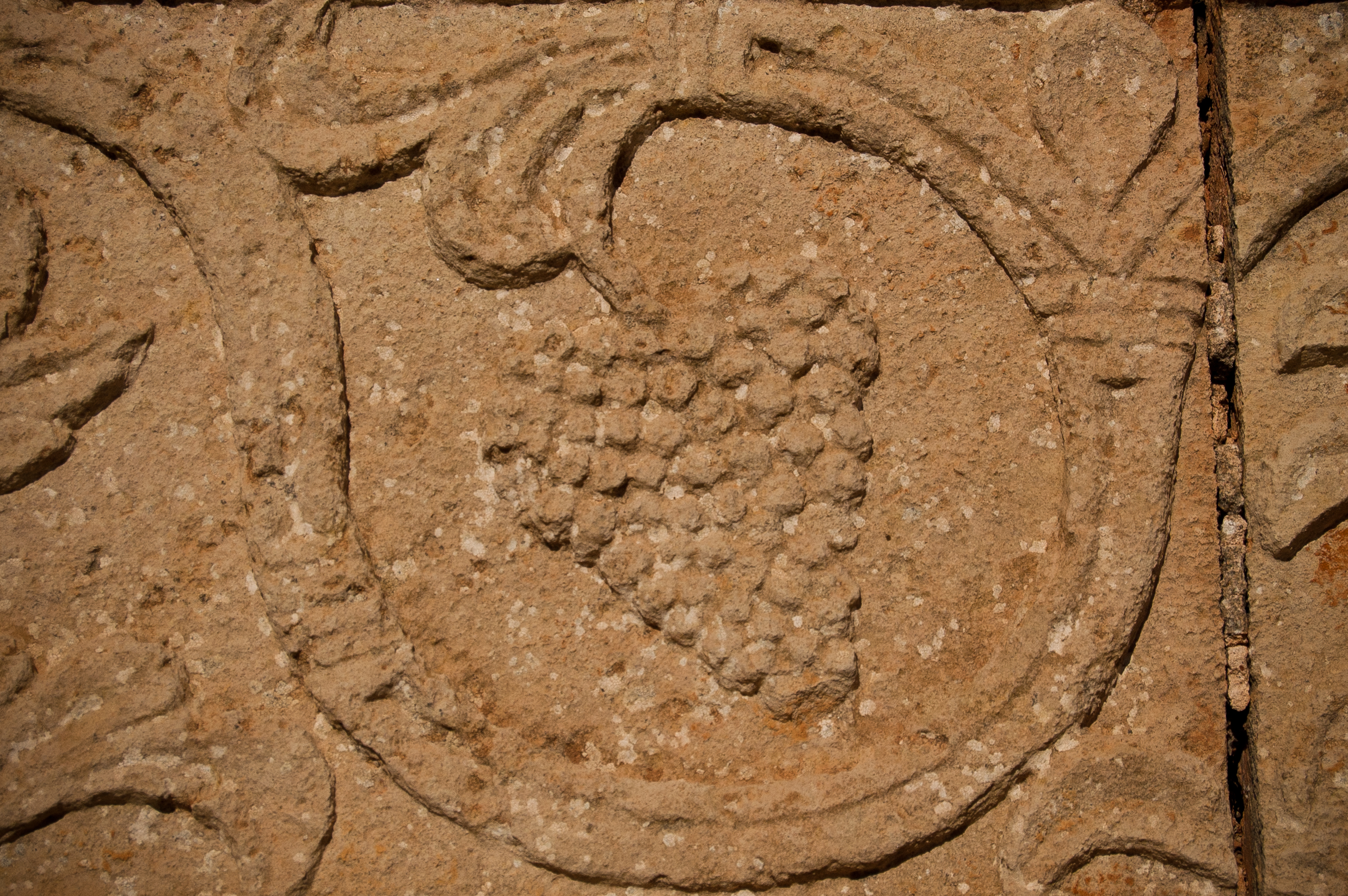
In recent years, several decorated blocks that were on the floor of the chapel were stolen. As a result, the rest have been transferred to the Archaeological Museum of Burgos, with the intention of protecting this essential piece of heritage. However, here in Quintanilla de las Viñas exact replicas of the original stone blocks are on display for visitors. The shrine is open for visits for free in the mornings and afternoons from May to September, and between 10 am and 5 pm from October to April. It is closed on Mondays, Tuesdays and the last weekend of each month.