
Puntos de Interés

Municipality
Soria
Soria is a city located in the east of Castilla y León and serves as the capital of the province of the same name. The urban centre of this Castilian town is strategically located on the foothills of the Iberian Mountains and on the banks of the Duero River. Throughout history, the river has been a key economic driver for the city and the surrounding municipalities.
The location endows the municipality with an impressive natural heritage, included in the Natura 2000 Network, which allows residents and visitors to enjoy an extensive and varied cultural and leisure offer linked to the landscape surrounding the city. The town centre of Soria has retained its historic and medieval character. Furthermore, there is evidence that this municipality was inhabited in the distant past.
Excavations have revealed cave paintings dating from 3000 and 2000 BC in the natural surroundings of the Valonsadero mountain. The Cerro del Castillo hill in the city has yielded evidence of Iron Age settlements, as well as the remains of Celtiberian communities linked to the city of Numancia, just six kilometres from Soria. These ruins can be visited. Furthermore, the city boasts a museum where the remains unearthed in the surrounding sites are on display.
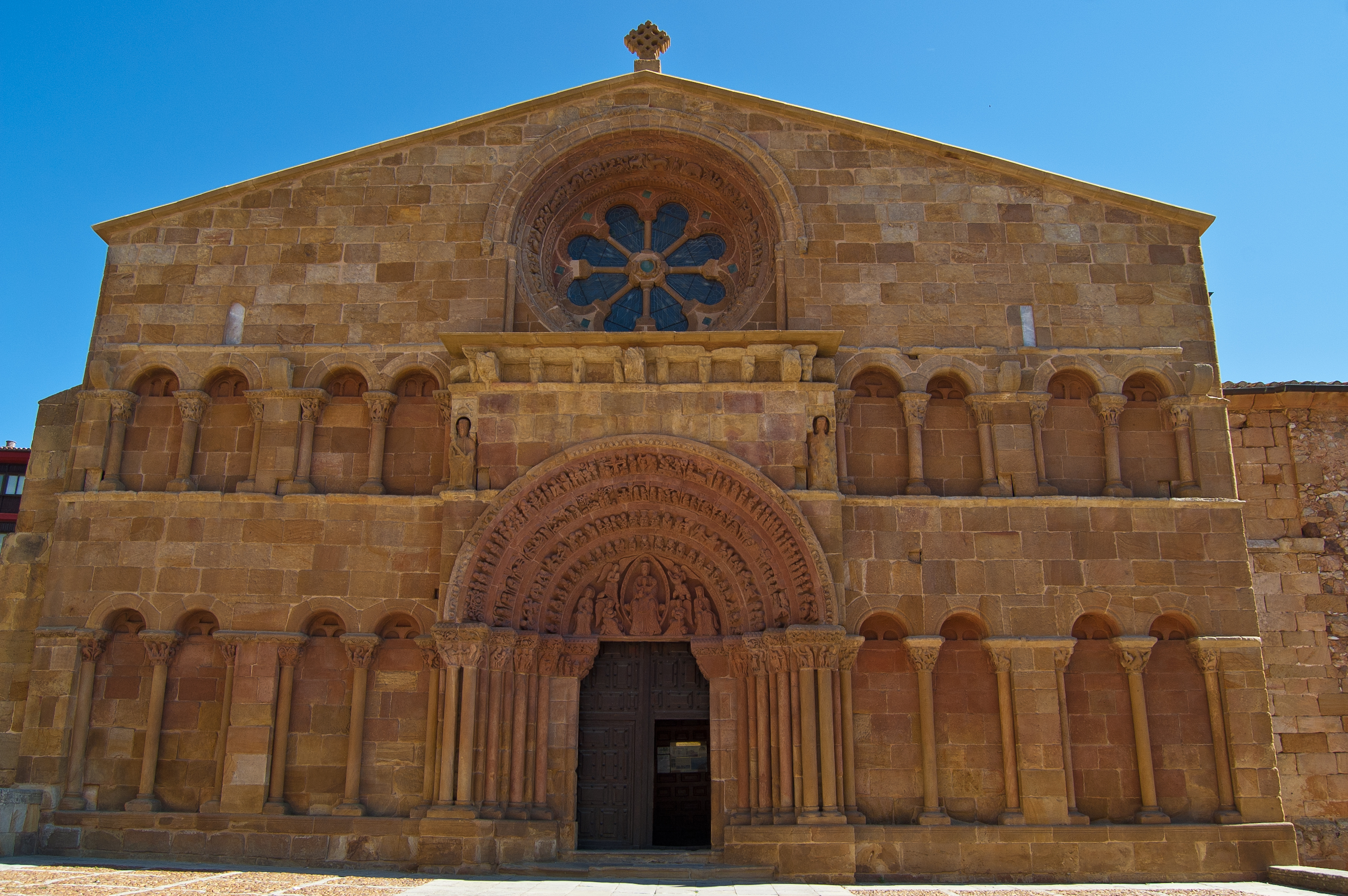
The area's historical and architectural heritage is evident in its corners, alleyways and squares. This city has been the inspiration for numerous literary works, including those of Antonio Machado, Gerardo Diego and Gustavo Adolfo Bécquer. These authors were drawn to the city's allure, situated on the banks of the Duero River. A tour of the historic district reveals the city's medieval roots and a multitude of architectural gems, including numerous religious temples. Among these is the 12th-century Santo Domingo Church, which boasts a rich history and impressive remains.
Other notable sites include the monastery ruins, the medieval viaduct that crosses the Duero, and the city's extensive network of walls. The Duero River is a key factor in understanding the architectural heritage of the municipality. The city's most significant heritage sites are located on its banks, including the monastery of San Juan de Duero and the Templar monastery of San Polo. The chapel of San Saturio, constructed on a rocky promontory overlooking the riverbed, is also worthy of note. In addition to the unquestionable architectural merits of this temple, the primary draw of the chapel is its location within a natural setting, surrounded by a dense forest. Indeed, the panoramic view of San Saturio with the Duero at its feet has become one of the most iconic images of Soria. The region's exceptional culinary offerings have earned it a reputation as a top destination for food lovers and a special commendation from UNESCO.
A significant proportion of Soria's cuisine is based on the use of mushrooms and other fungi that are native to the province's natural environment. This exceptional gastronomic event features several key dates throughout the year, during which the distinctive products of Soria's cuisine are showcased and promoted.
The programme includes several high-profile events, including the International Mycology Congress, the Mycological Tapas Week, the Soria Black Truffle Gastronomic Events and the Spoon and Fork Events. One of the city's most popular festivals is the San Juan festival, which has been declared of Regional Tourist Interest and is celebrated on 24 June. The people of Soria commence festivities in honour of San Saturio at the beginning of October, with a week-long programme of cultural and leisure events.