

Puntos de Interés

Municipality
Balboa
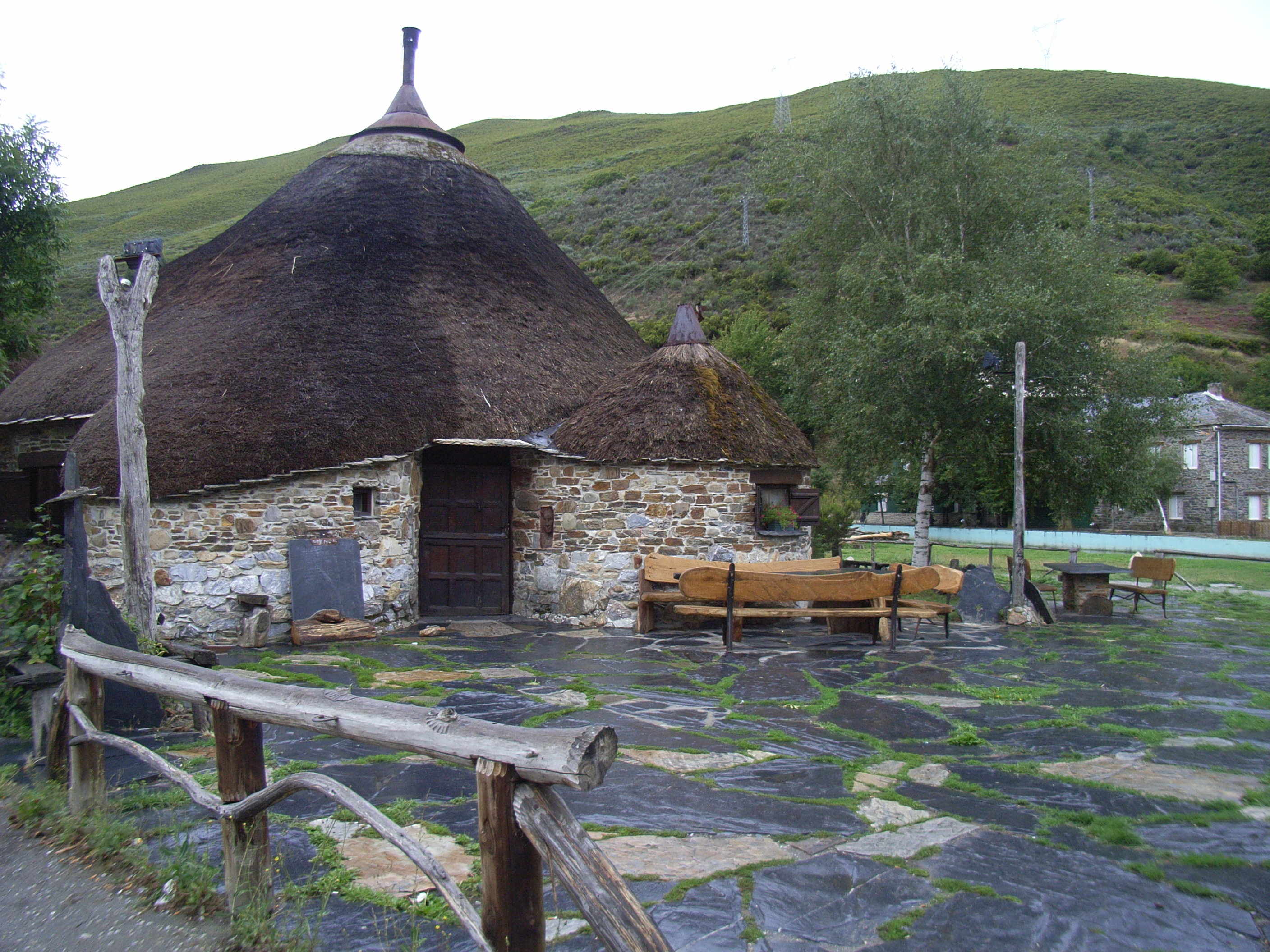
Balboa, capital of the municipality bearing the same name, is located in the northwest of León, in the heart of the El Bierzo region. This charming town lies in a beautiful valley where the Castañoso stream joins the River Balboa to the east. The valley is located in the foothills of the Sierra de los Ancares, at the edge of the Cantabrian Mountains, and borders the municipalities of Trabadelo, Vega de Valcarce, Villafranca del Bierzo and Cervantes in Lugo province. The name Balboa comes from "Vallis Bona", which means "good valley". Over time it evolved into Vall-Bona and finally reached its present form.
One of the emblematic symbols of Balboa is the Church of Santa Marina, located at the entrance to the village. The year of its inauguration is unknown, although some documents mention it as early as AD 988, when King Vermudo II donated it to the Monastery of Samos. The current building is simple, built with masonry and slate slabs. Inside, there is a main altarpiece from the second half of the 16th century, a Baroque side altarpiece and a sculpture of the Immaculate Conception.
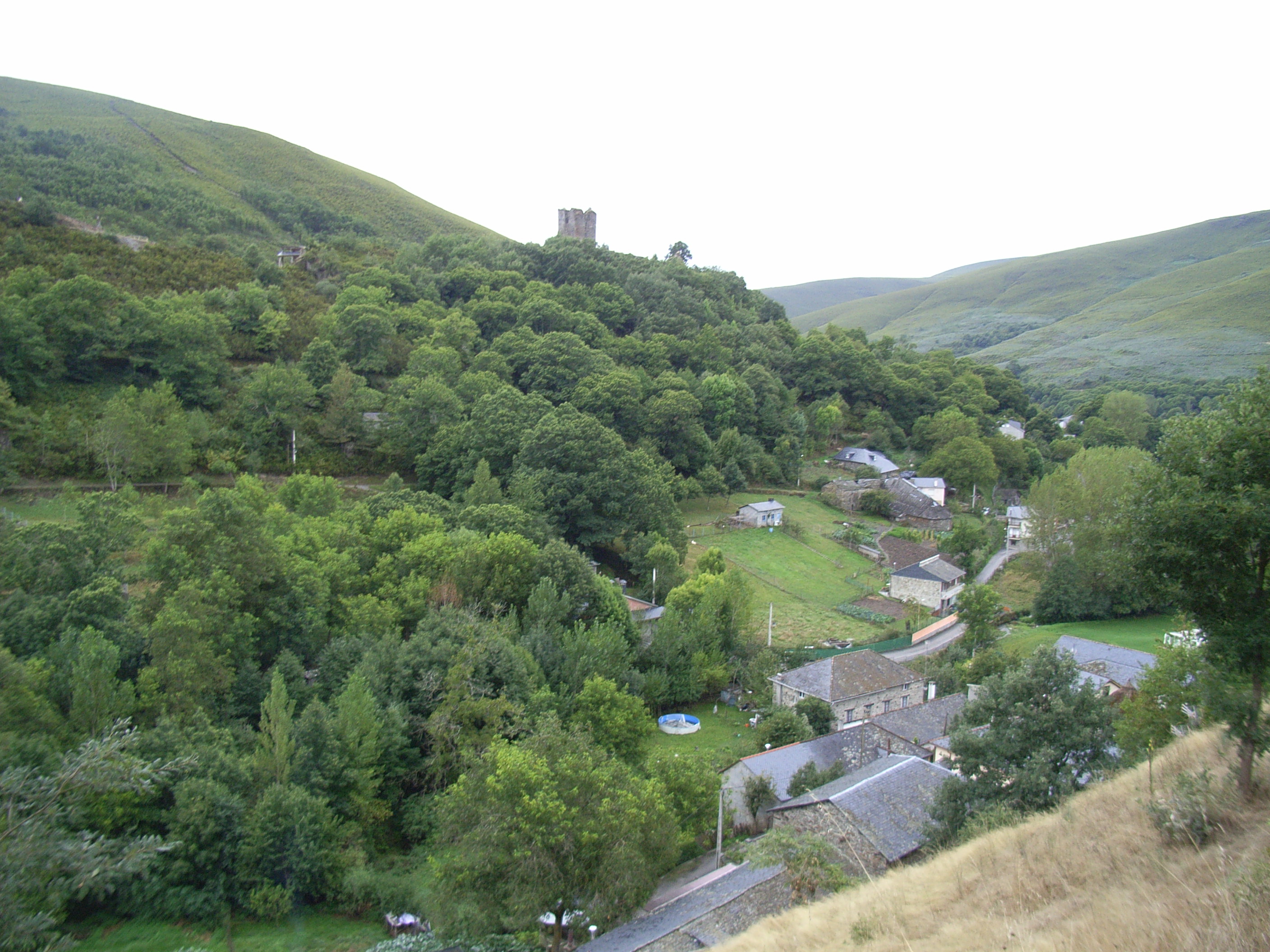
Near the church, on a spur at the end of the Pico del Chao, lie the remains of Balboa Castle. This fortress of late medieval Christian origin was built in the 13th century by the Rodríguez de Valcárcel family, and over time it belonged to historical figures such as the Count of Lemos, the Catholic Monarchs and the Marquises of Villafranca. After the Irmandiño Revolts, it was rebuilt by the first Count of Lemos. Today, only the keep and some remains of defensive moats, ramparts and walls are partially preserved.
Very close to the castle is the Corona del Castro, an ancient settlement of uncertain date that could originate from the Iron Age to the Early Roman Empire and Late Roman periods. This castro (hillfort) shows the remains of well-marked ditches, embankments and a natural defence provided by the slope of the terrain. It is thought that Balboa Castle may have been part of the southern expansion area of this ancient hillfort settlement.
Cultural life in Balboa is vibrant and diverse, with celebrations throughout the year combining tradition, nature and music. The Magic Night, celebrated during the summer solstice on the night of St John, has been held in the auditorium for 20 years. A unique atmosphere is created here. This auditorium was built behind the castle in an old quarry in the village, and because it is excavated into the mountain, it blends harmoniously with the natural surroundings. The Magosto Celta (Celtic Chestnut Festival), held on 1 and 2 November, combines traditional Celtic music with the aroma of roasted chestnuts and arose from the local population's interest in integrating music into this cultural tradition.
Throughout the year, Balboa also hosts festivals such as Balboa Jazz, VibraBalboa and ReggaeBoa. The latter, taking place from Friday to Sunday in July, runs from the Chis palloza to the river beach and the auditorium. In addition, between October and June, dinner-concerts are held in the Balboa Palloza, where visitors can enjoy jazz, swing, boleros or Cuban son in a unique and cosy atmosphere.