

Puntos de Interés

Municipality
Burbia
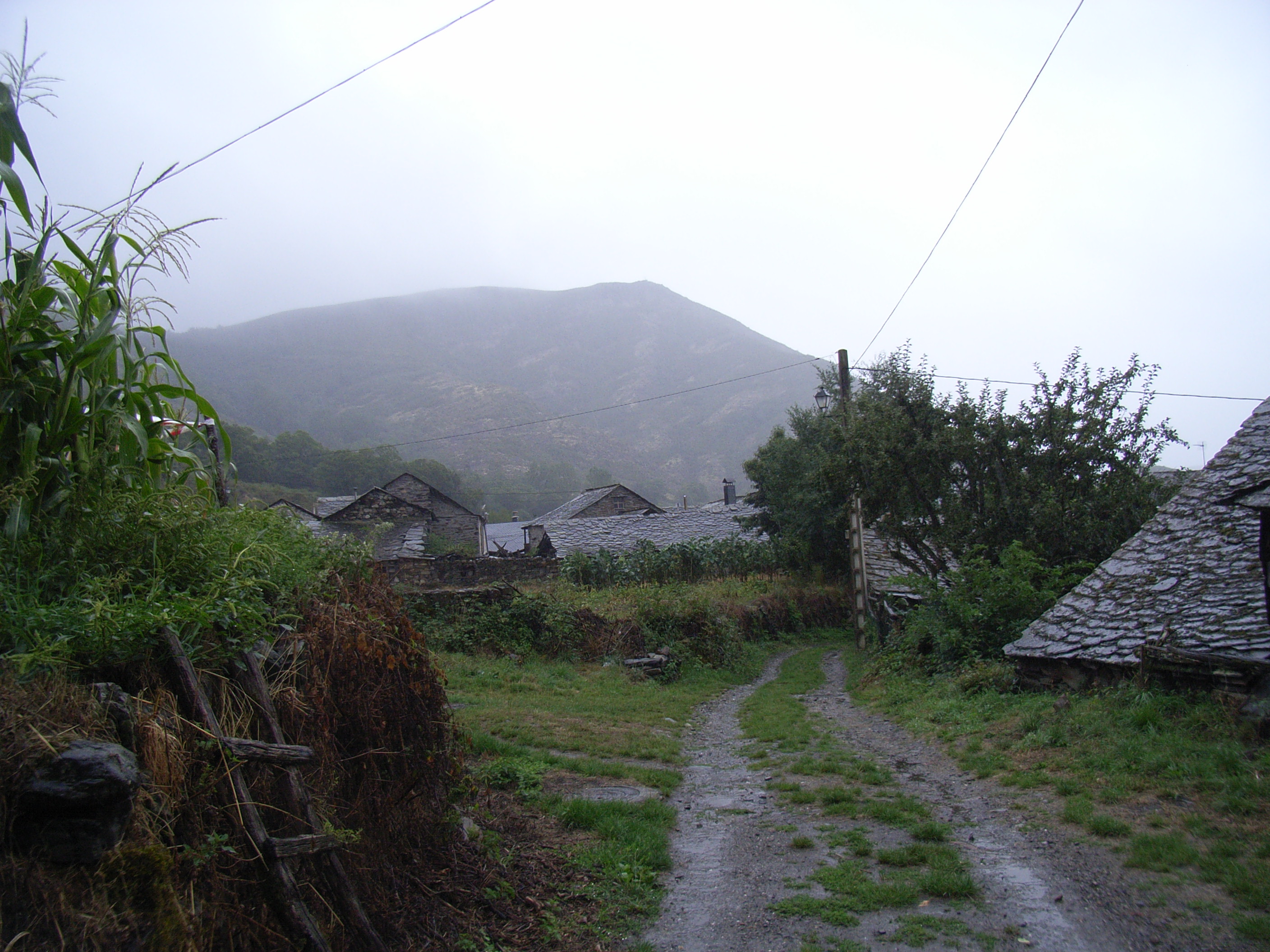
Situated within the municipality of Vega de Espinareda, Burbia is a village that shares its name with the river on whose terraces it sits. The municipality forms part of the Los Ancares Leoneses Biosphere Reserve and borders Galicia, although it is not connected by road to this autonomous region.
The history of this village is as old as it is rich. In the surrounding area, there are remains of pre-Roman hillforts (castros), whose legacy survives in the pallozas, the traditional thatched roundhouses of the region. Traces of the gold mines excavated by the Romans can still be seen on the slopes surrounding the village. This location was also the scene of the Battle of the River Burbia, which took place around AD 791, where Emir Hisham I of the Emirate of Córdoba emerged victorious against an ambush by the troops of the Kingdom of Asturias.
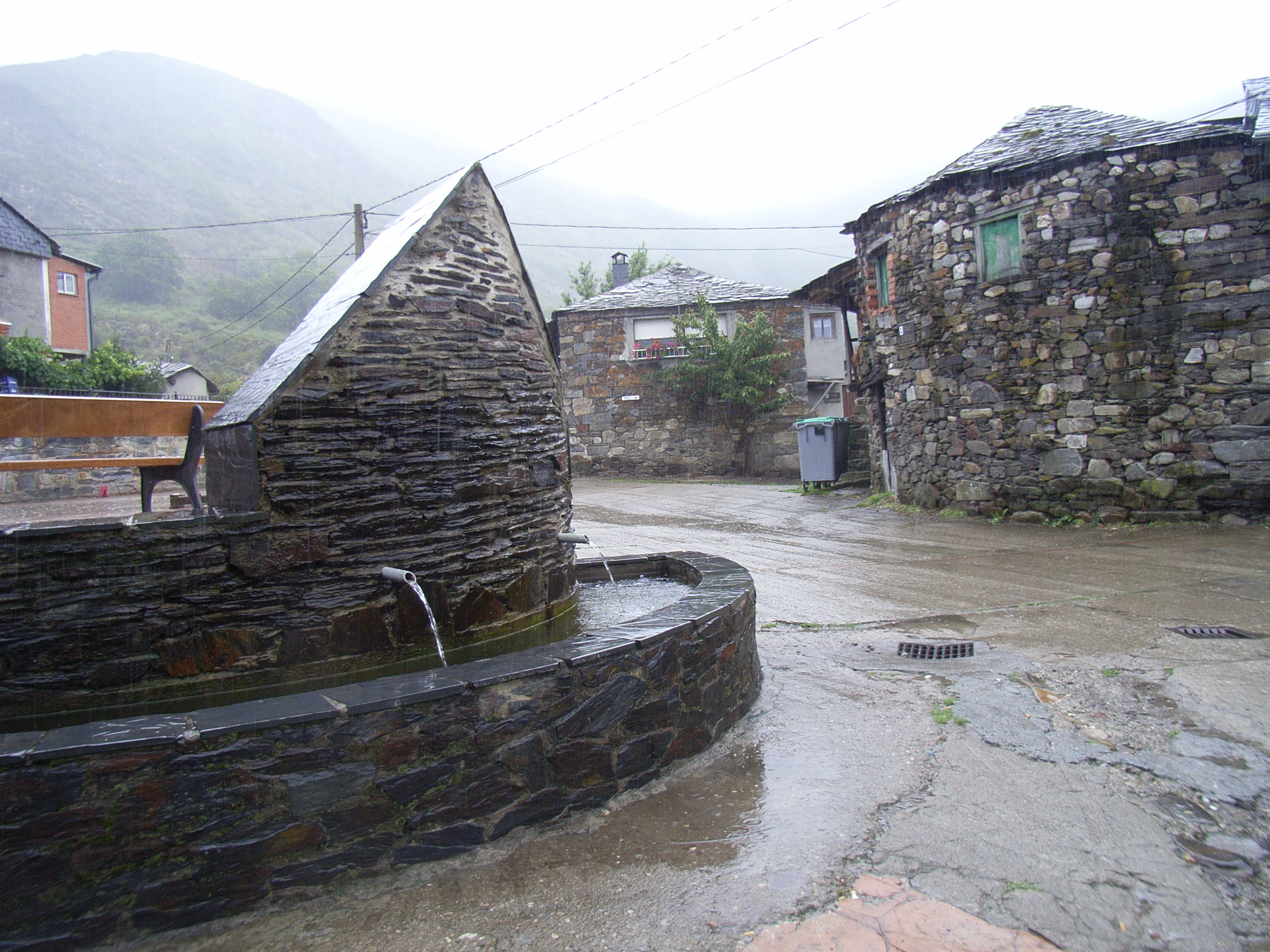
Burbia is characterised by its traditional architecture of slate and dark stone. The Church of San Esteban, whose feast day is celebrated on 26 December, and the Shrine of Santa Ana, whose patron saint's feast is on 26 July, are well worth a visit. A stroll among the chestnut trees surrounding the village is highly recommended.
Furthermore, Burbia keeps alive a valuable intangible cultural heritage with two unique celebrations. The Maranfallos festival is held on Carnival Saturday, when villagers dress in rags, old clothes and masks to become the Maranfallos. These characters roam the village with ashes, flour, a stick or bragallo (a dried pig's bladder or testicles) to punish the passers-by they meet on their way. In the evening, food is collected from all the residents to prepare a communal dinner for the whole village.
Secondly, the Fachizas fire ritual takes place on the first Saturday in February to mark the end of the harshest winter. During the afternoon preparations, the locals craft the fachizas. For this, rye straw is needed to make long torches of about 2 metres, which are tied together with strings of plaited straw called bincallos. When it gets dark, the whole village climbs Monte Lagúa, where they light a bonfire to ignite the fachizas and then swing these torches in circles in the air. The origin of this clearly pagan ritual remains a mystery.