
Puntos de Interés

Municipality
Guímara
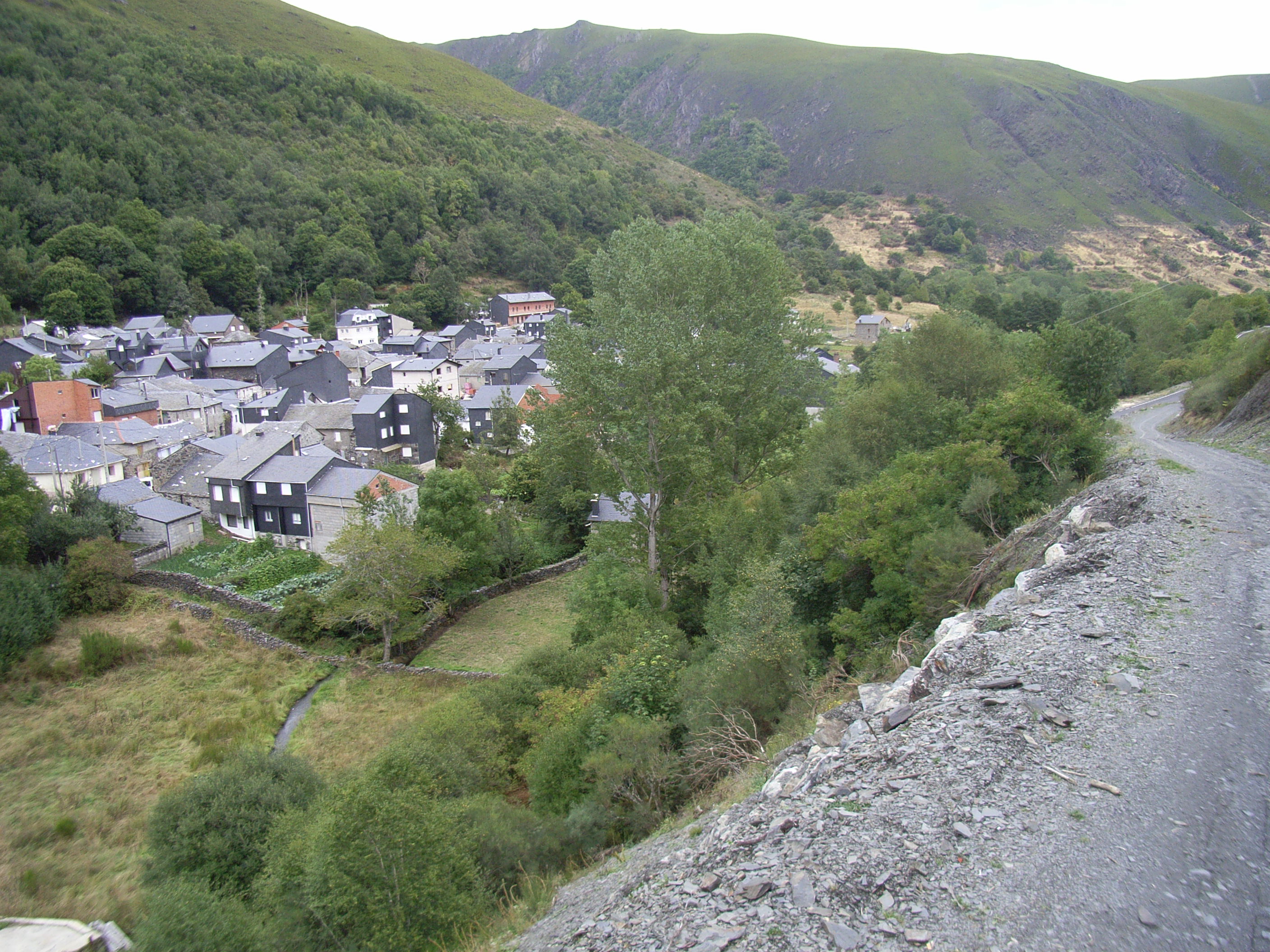
Guímara is a small and charming village in León Province, situated at 1,065 metres above sea level, in the heart of the Los Ancares Leoneses Biosphere Reserve. It is the last inhabited village in the Fornela Valley, an impressive landscape of glacial origin where, 6 kilometres from Guímara, the River Cúa (one of the tributaries of the River Sil) rises.
This isolated and peaceful spot has preserved its rural essence intact. For generations, its inhabitants lived off agriculture, livestock farming and itinerant trading. The latter, although no longer practised, was of great importance in the past, and the cloth sellers even invented their own cant called burón, so that competitors would not understand what was being said among them.
Within the village, visitors can admire the traditional architecture. Its stone houses with black roofs, the old mill by the River Cúa, and the Church of San Bartolomé reflect a typical, simple and functional architecture, adapted to the mountain environment.
The surroundings of the village are defined by the people who lived there in the past. The livestock huts (today used by mountaineers), the old, cultivated fields, the paths opened into the mountain or the roads to the mines, speak of a way of life closely linked to nature.
The local celebrations are Holy Week and the patron saint festivities of San Bartolo on 24 August, during which the dances of the Fornela Valley are performed. These dances, which form part of the local intangible heritage, are performed by single men and, more recently, also by women. They are accompanied by a tamboreteiro playing a wooden flute with one hand (called a xipra) and his drum, which plays a melody with different beats to indicate the changes in the steps. In addition, the dancers use various objects during the dance, such as flags and sticks, which they brandish and throw.