

Puntos de Interés

Municipality
Teruel
This city in the Autonomous Community of Aragon sits near the confluence of the Alfambra and Guadalaviar rivers, at an altitude of 915 m above sea level.
The foundation of the city dates back to the Reconquest in 1171, but in Alto Chacón there is an earlier Iberian site, a settlement known as Turboleta, and there are documents that prove the existence of a Moorish fortress in the upper part of the present-day city, known as Tirwal.
Teruel has lived through any number of historical conflicts, from the Middle Ages to the War of Independence and the Carlist Wars, and even the Spanish Civil War, with one of the bloodiest battles of that conflict fought here.
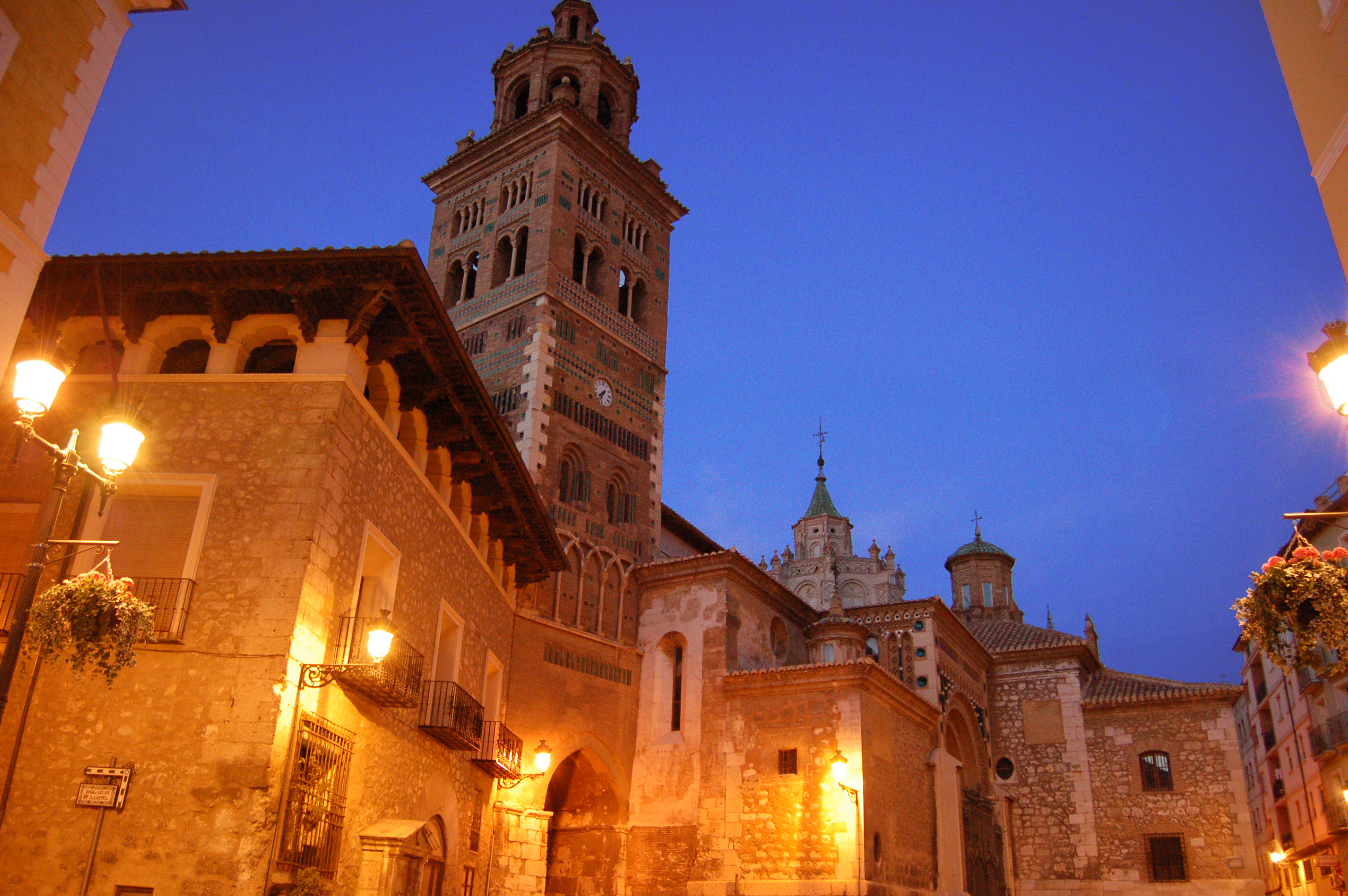
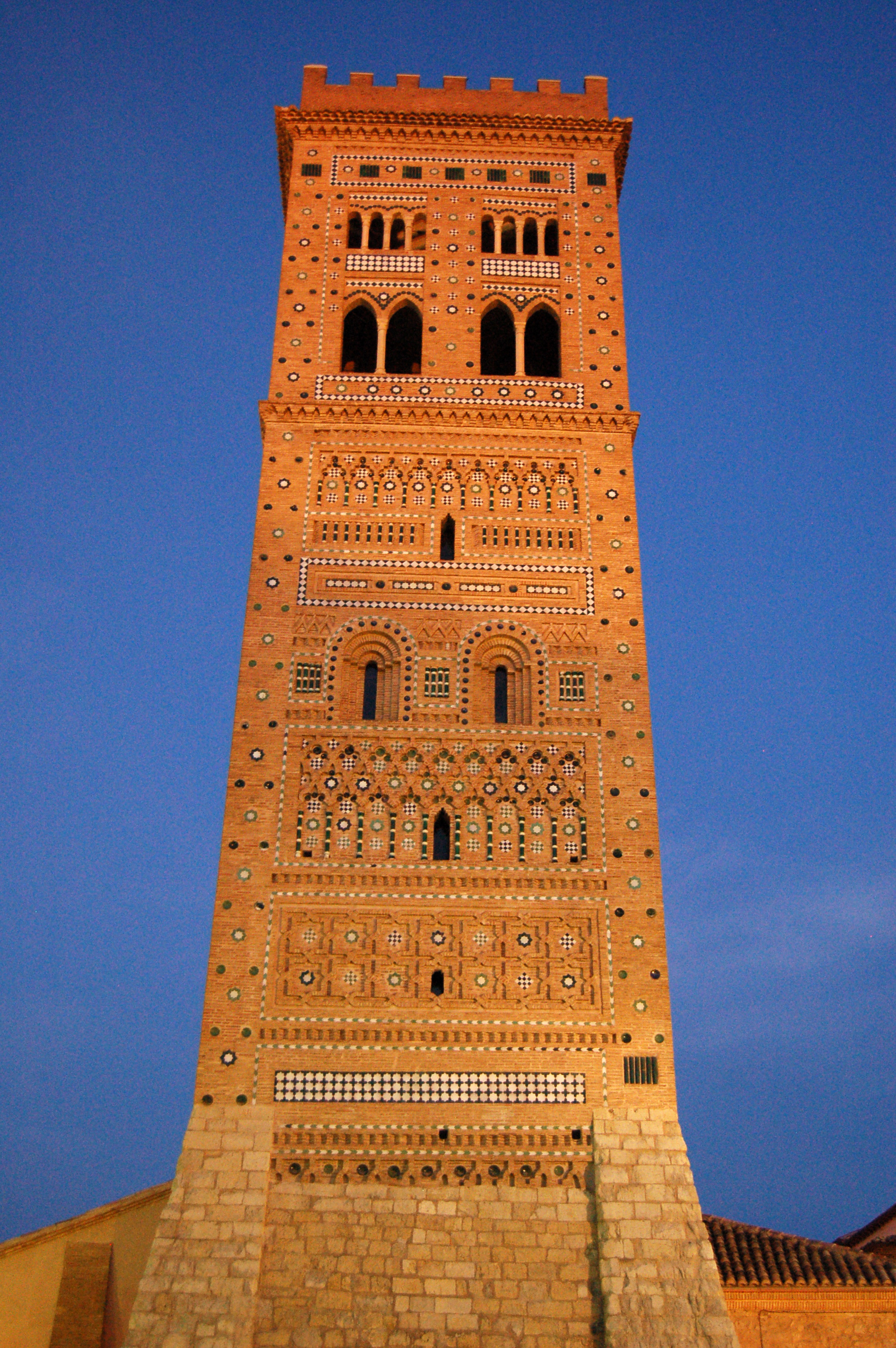
The main economic activity is tourism, largely thanks to the city's Mudejar architecture, for which it was declared a World Heritage Site by UNESCO in 1986). The most outstanding examples are the Tower of San Pedro and the Cathedral (both from the 13th century), the Tower of El Salvador and the Tower of San Martín (from the 14th century).
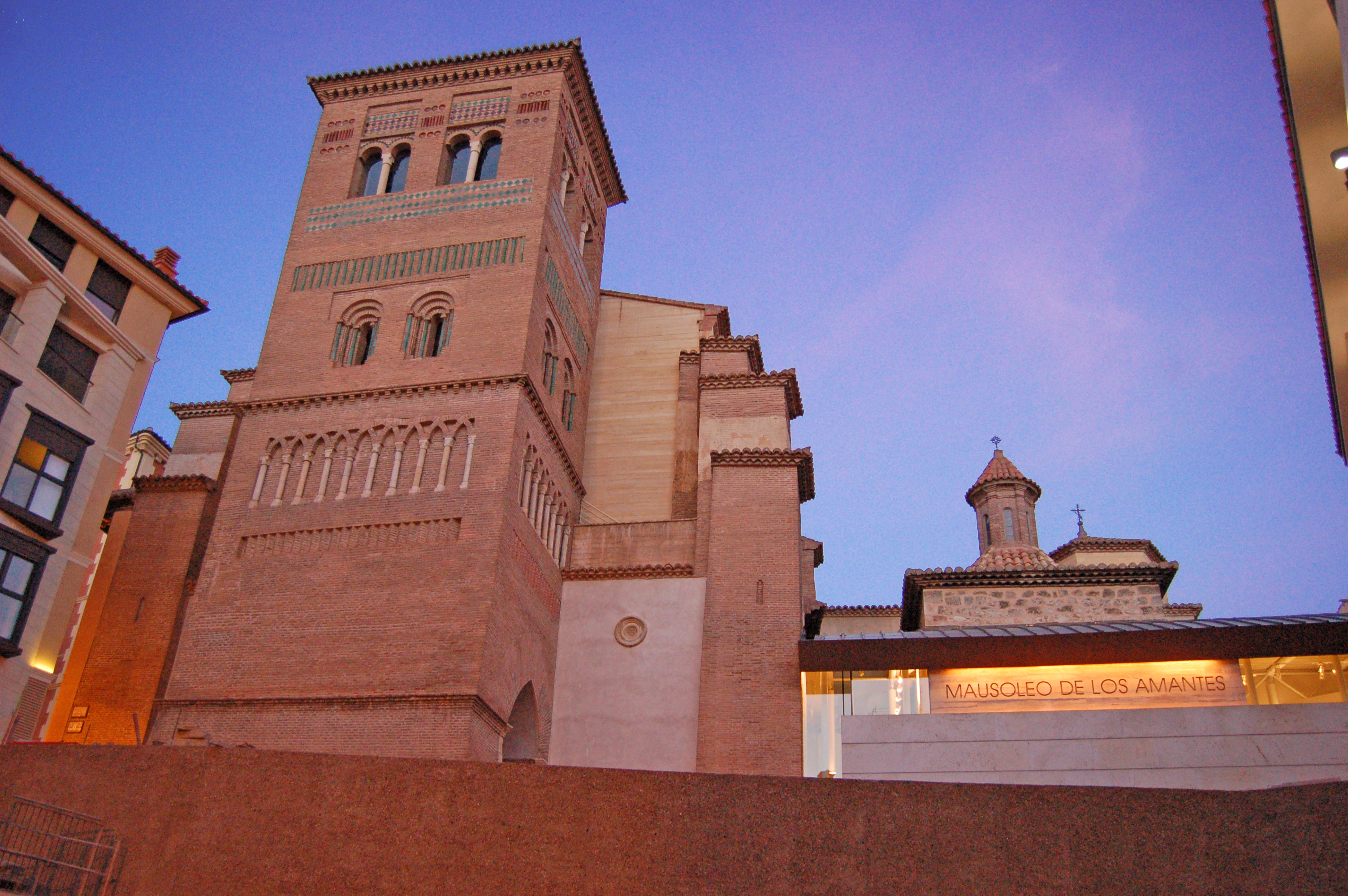
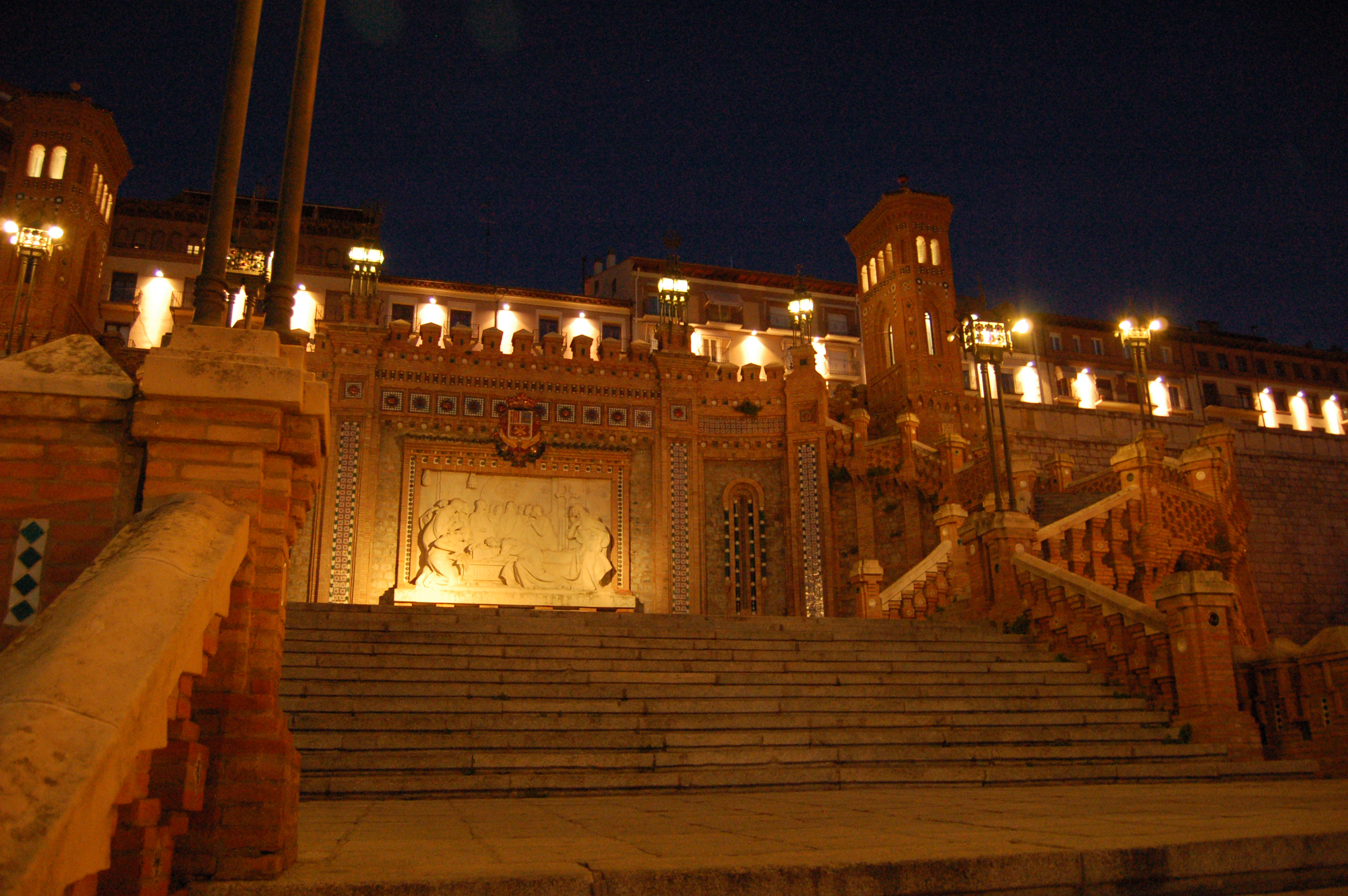
In addition, in the 20th century an architectural style inspired by the Mudejar style emerged, known as neo-Mudejar, the most representative examples of which are the door on the south façade of the Cathedral and the staircase linking the historic centre with the railway station.
Local festivals take place in the first fortnight of July, with another celebration held on the weekend closest to 14 February in memory of Los Amantes de Teruel, the ill-fated love story of Isabel de Segura and Diego de Marcilla.