

Puntos de Interés

Municipality
Cella
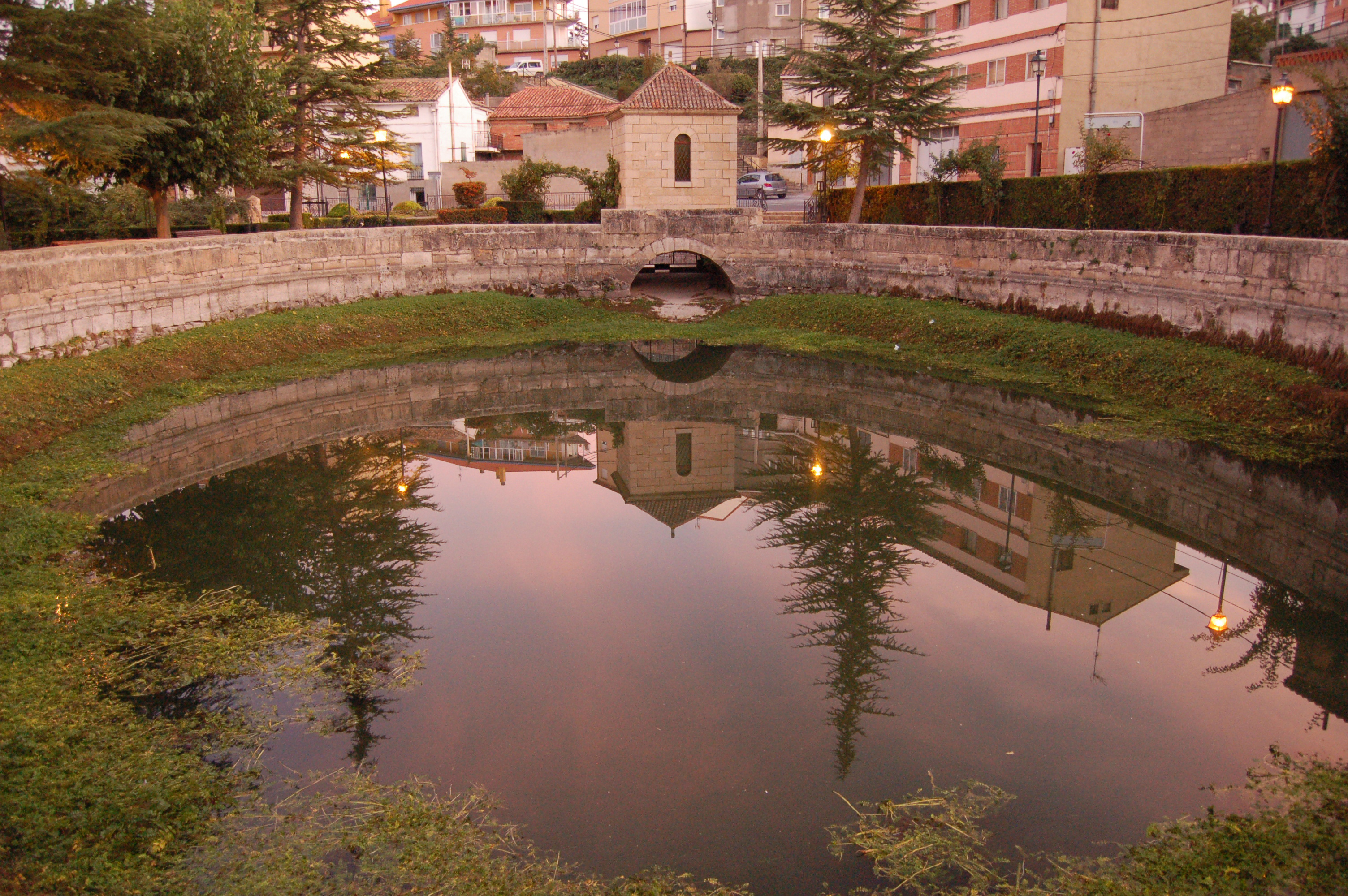
Cella is a municipality and town in the province of Teruel. The first written references to Cella date back to Roman times, when an 18 km long aqueduct was built between Albarracín and Cella, carrying the waters of the River Guadalaviar to the municipality of Cella.
According to the medieval epic poem, the Cantar del Mío Cid, the medieval knight Rodrigo Díaz de Vivar, known as El Cid Campeador, waited for reinforcements in Cella for the conquest of Valencia. The Templars built a castle in the town, which was walled in 1333.
The most outstanding architectural feature is the Cella Fountain, a 12th century artesian well that is one of the largest and deepest of its kind in Europe, with a flow of 3,500 litres of water per second, which is distributed in three irrigation channels (Acequia Madre, Acequia del Caudo and Acequia de La Granja) for the irrigation of the agricultural fields of several municipalities.
The Church of Nuestra Señora de la Inmaculada, the Shrine of San Pedro Arbués, the Shrine of San Sebastián and the Shrine of San Clemente also stand out.
The most important local festivals include the festivals of San Clemente, from 17 to 21 August; teh feast day of San Sebastián, patron saint of Cella, observed on 20 January and the feast of Santa Rosina, patron saint of Cella on 15 May, popularly known as la meona due to how often it rains on her feast day. The Romería al Calvario pilgrimage is held on 23 April in honour of San Jorge, and sees villagers gather on the Calvario hill. Finally, the Potato Fair is another popular celebration, celebrating the main crop of the municipality that is known for its quality.