

Puntos de Interés

Municipality
Moreal del Campo
The municipality of Monreal del Campo is near the source of the River Jiloca, in western Teruel province.
Thanks to the discovery of numerous coins from the Roman and Iberian era, it is known with certainty that the area contained ancient settlements such as the Roman mansion of Albónica.
Looking further into the history of the village, it was founded around 1120 when, after the Battle of Cutanda, King Alfonso I, The Battler, built a castle in the area known as the Jiloca springs, also known as Ojos (“Eyes”). This is recorded in a letter from Archbishop Guillermo de Aúx. In the letter, the priest requested financial support for the militia that had been formed in the city.
As would happen with other villages in the area, it was incorporated into the Río Jiloca Sesma by order of Jaime I and remained subject to the crown thereafter until the death of Ferdinand VII in 1833.
It was the scene of major battles during the Carlist Wars, and was reduced to rubble, leading to the construction of a new village centre.
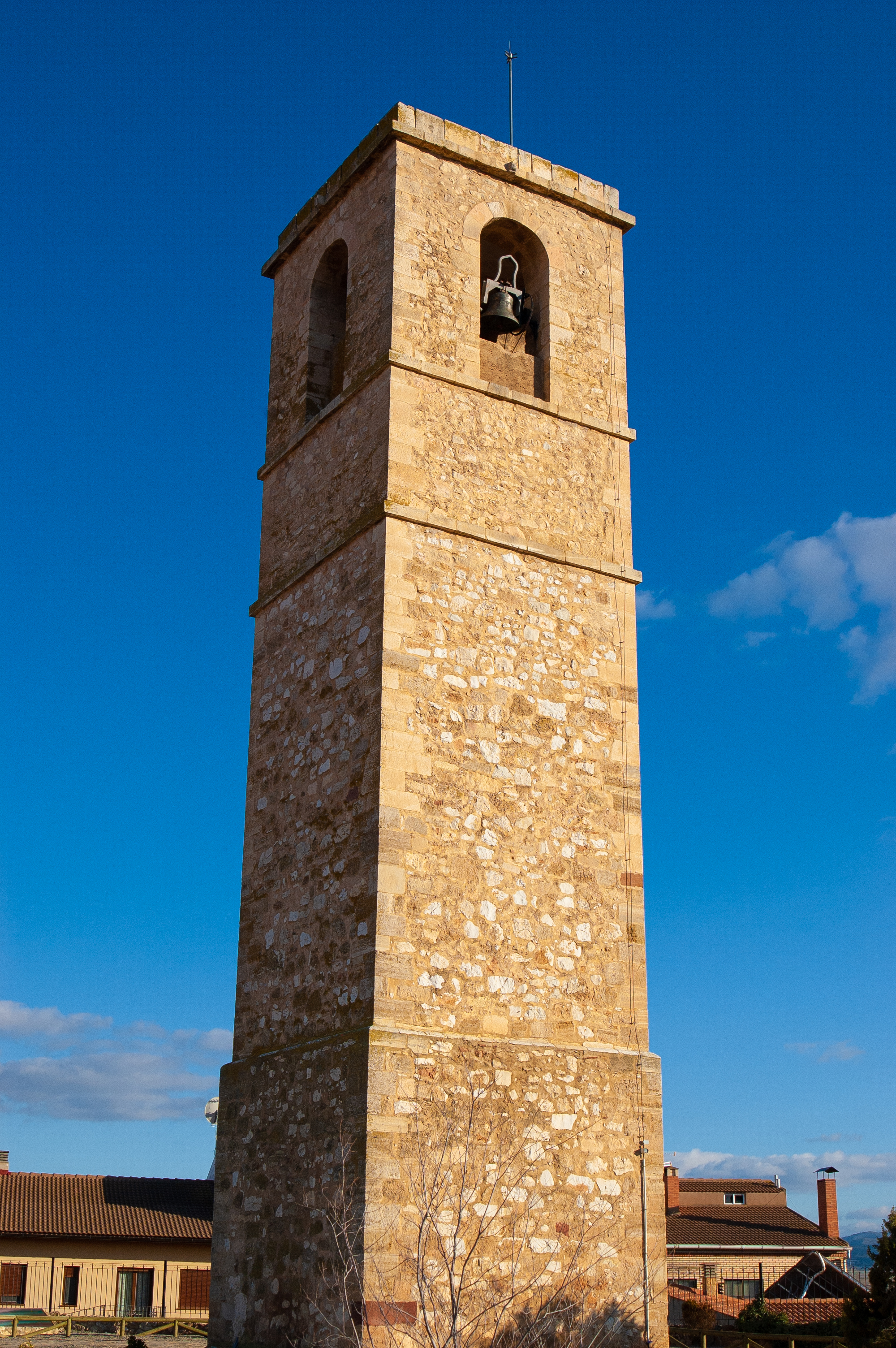
Without doubt, one of the jewels of this village are the ruins of its castle, where there is a tower used as a belfry and which belonged to an earlier 16th-century building. The church that can be visited today is the church of the Nativity of Our Lady, which was built in the 19th century. On the outskirts of the village, beside the road is the Carmen hermitage, a simple temple built in the 18th century, which was restored in 1967.
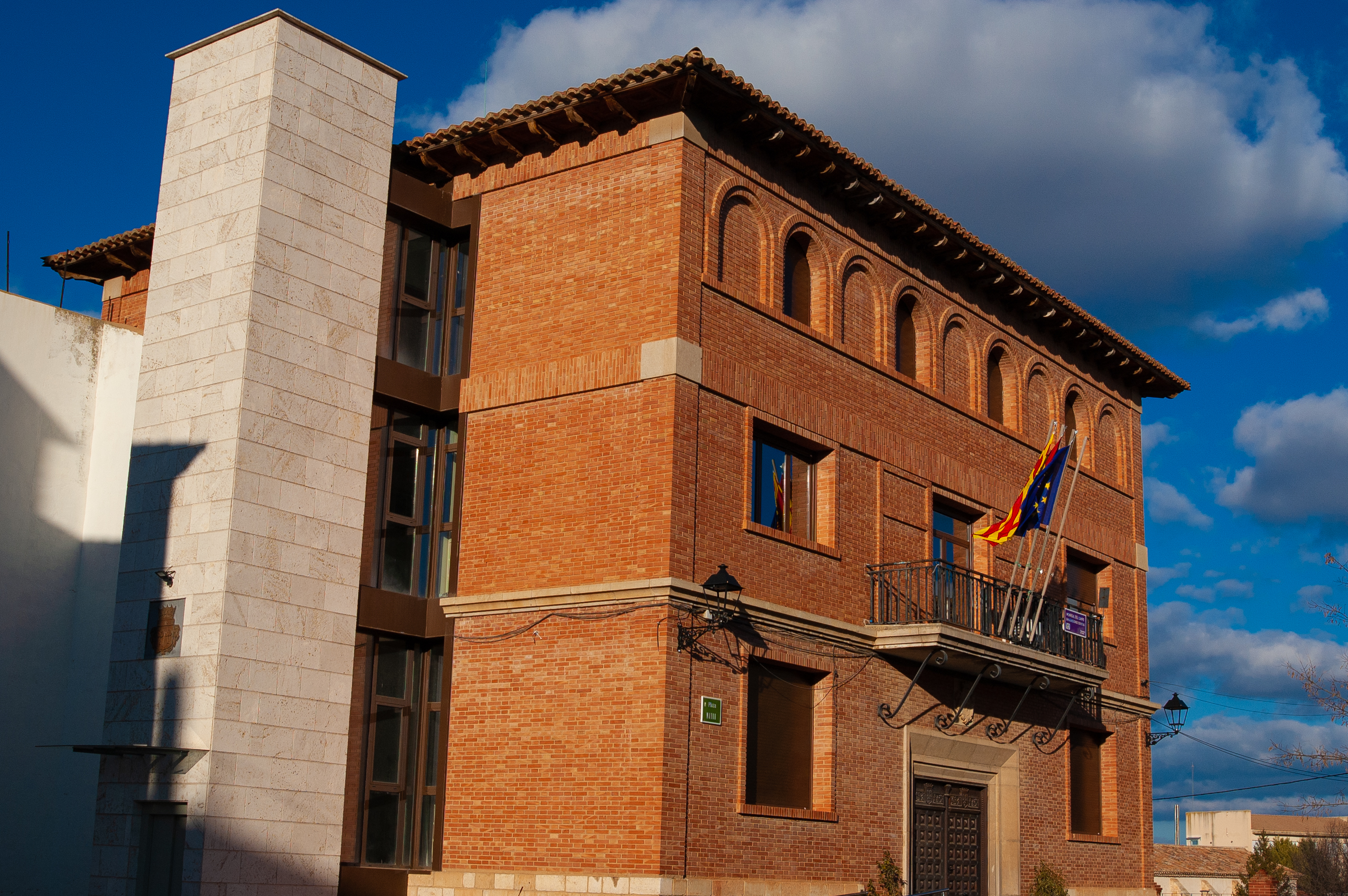
In the village itself, there are some notable civil buildings such as the Casa Palacio de Doña Concha, in the Aragonese Renaissance style, the Casa de Perico Latorre, which features a notable niche with an image of the Virgin and the Town Hall itself.
In terms of ethnography, there are two flour mills known as Molino Alto and Molino Bajo, as well as the Saffron Museum, which seeks to safeguard the culture and tradition of this crop which for many years was vital to the economic development of the village.
We must not underestimate the natural environment of Monreal, since in the municipality one can visit the so-called Ojos del Jiloca, also known as Ojos de Monreal, a marsh which, due to its area, is considered the largest in the confluence of the Iberian Cordillera.
Although the economy was for a long time based on agriculture and livestock, today there is an industrial boom.
A great variety of festivals are held in this village. On the eve of 16 January, there is a tradition of celebrating the feast day of San Antón with bonfires around which the villagers gather. The Virgen de la Carrasca pilgrimage is held in May, specifically on the first Sunday of that month. The patron saint festivities are held in late August, in honour of the Nativity of Our Lady.