

Puntos de Interés

Municipality
Fuentes Claras
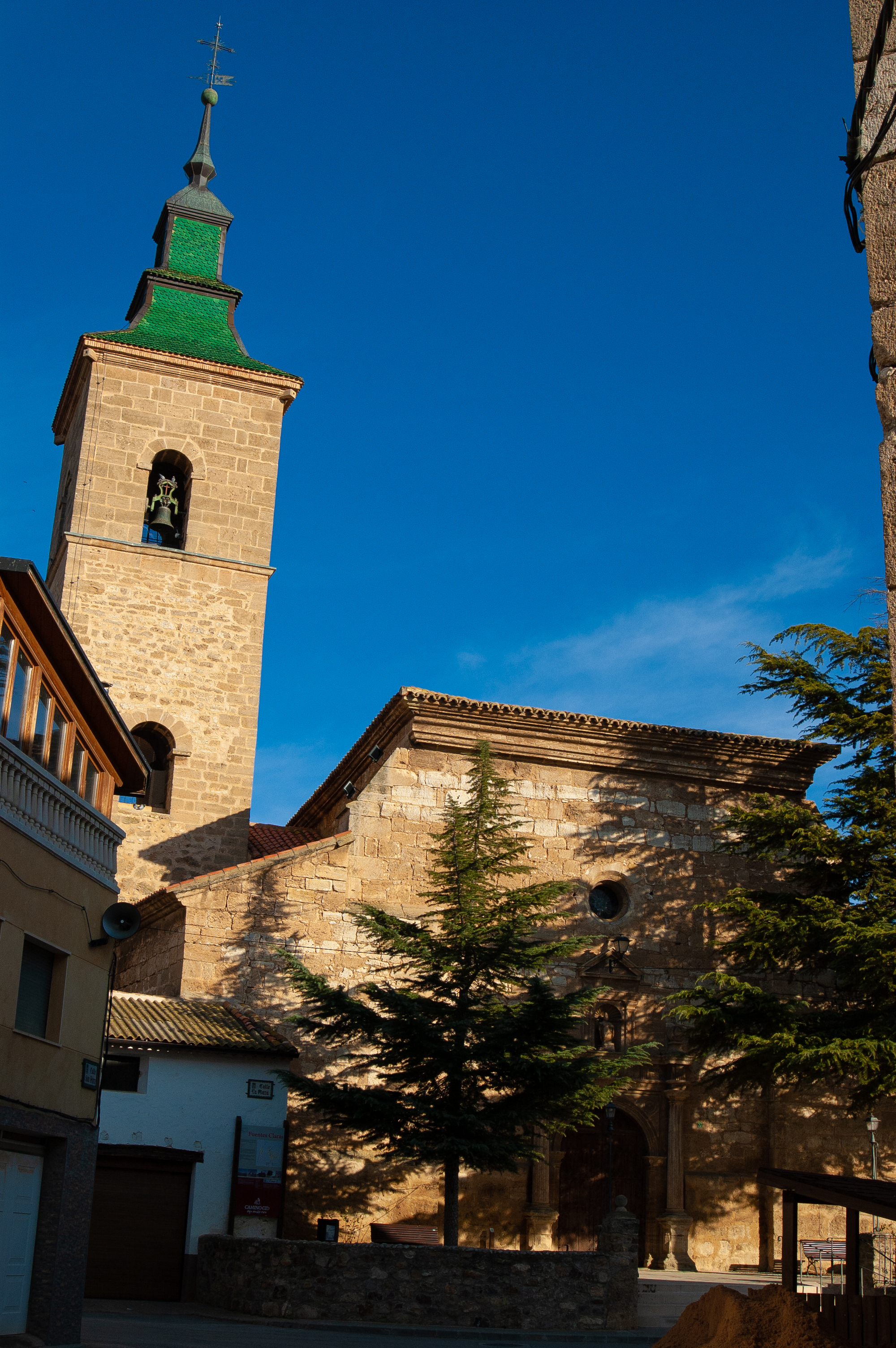
Fuentes Claras is a municipality and village in the Jiloca district, in the northwest of Teruel province. It sits on a Quaternary terrace, besides the River Jiloca’s riverbed.
The first reference to the current village is from 1205; it was formerly referred to as Fuentesclaras. For centuries, both versions have been used (Fuentes Claras, Fuentesclaras), the current and official version being Fuentes Claras (Clear Springs). The name of the village is derived from the great number of springs around the municipality and which reinforce the flow of the River Jiloca.
The oldest ruins in the municipality are in La Loma del Prado, beside the municipal boundary with El Poyo del Cid. These ruins must have belonged to an ancient Roman city of the Imperial period, probably founded after abandoning a settlement on San Esteban hill, the remains of which can also be visited. Today, no structures are visible on the surface, although many traces objects and building foundations have been found.
Within the village, the prevalent architectural style in the main buildings is notable since it is not the Aragonese Mudejar style typical of the district, but rather the later Castilian Baroque, a fine example of which is the Casa Grande, the most iconic building among the village’s civil architecture.
The village’s main festivities are held in honour of the Virgen de los Navarros and are organised every year during September. Fuentes Claras is one of the last villages in the region to hold its festivities. The main days are the seventh and eighth of the month, with the activities focusing on a large procession to the Virgen de los Navarros Chapel, as well as various recreational and festive events.
One of these events takes place at midnight on the seventh, on the eve of the festival, where on the sloped area a copla is performed towards the church, with a chorus being played with instruments at the end. Anyone with a reason or who wishes to thank the virgin can join in with the singing.
Another notable tradition is the so-called pilgrimage of the penitents, a procession that leads out of the village at eight in the morning towards Villalba, after the bells have been tolled. Afterwards, they are welcomed to Villalba by the villagers, who await them with religious images, and they then go to mass and eat chocolate with fritters.