


Puntos de Interés

Municipality
Gómara
The village of Gómara is located right in the centre of the comarca of Campo de Gómara, between the Pica and Deza mountains and the River Duero. Its history goes back a long way in time. Experts say that its name comes from the Visigothic and that it was one of the castles distributed by the Moors along the course of the River Rituerto.
It would later support the fortress located in Peñalcázar during the endless disputes between the kingdoms of Aragon and Castile. King Alfonso VIII of Castile gave the town to the Bishop of Osma in 1136, and it remained in the diocese until 1578, when it was incorporated under the crown by Philip II.
When Castile conquered these lands, Gómara became a County and was granted to the Alférez Mayor of Soria, Don Antonio López del Río. Years later it would pass into the hands of the ancestors of the Count of Gómara, the Salcedo family, who would be granted the county in 1692.
It was constituted as a municipality of Castilla la Vieja after the fall of the old regime, incorporating the districts of Paredesroyas and Torralba de Arciel in the mid-19th century and, years later, in 1972, those of Abión and Ledesma de Soria.
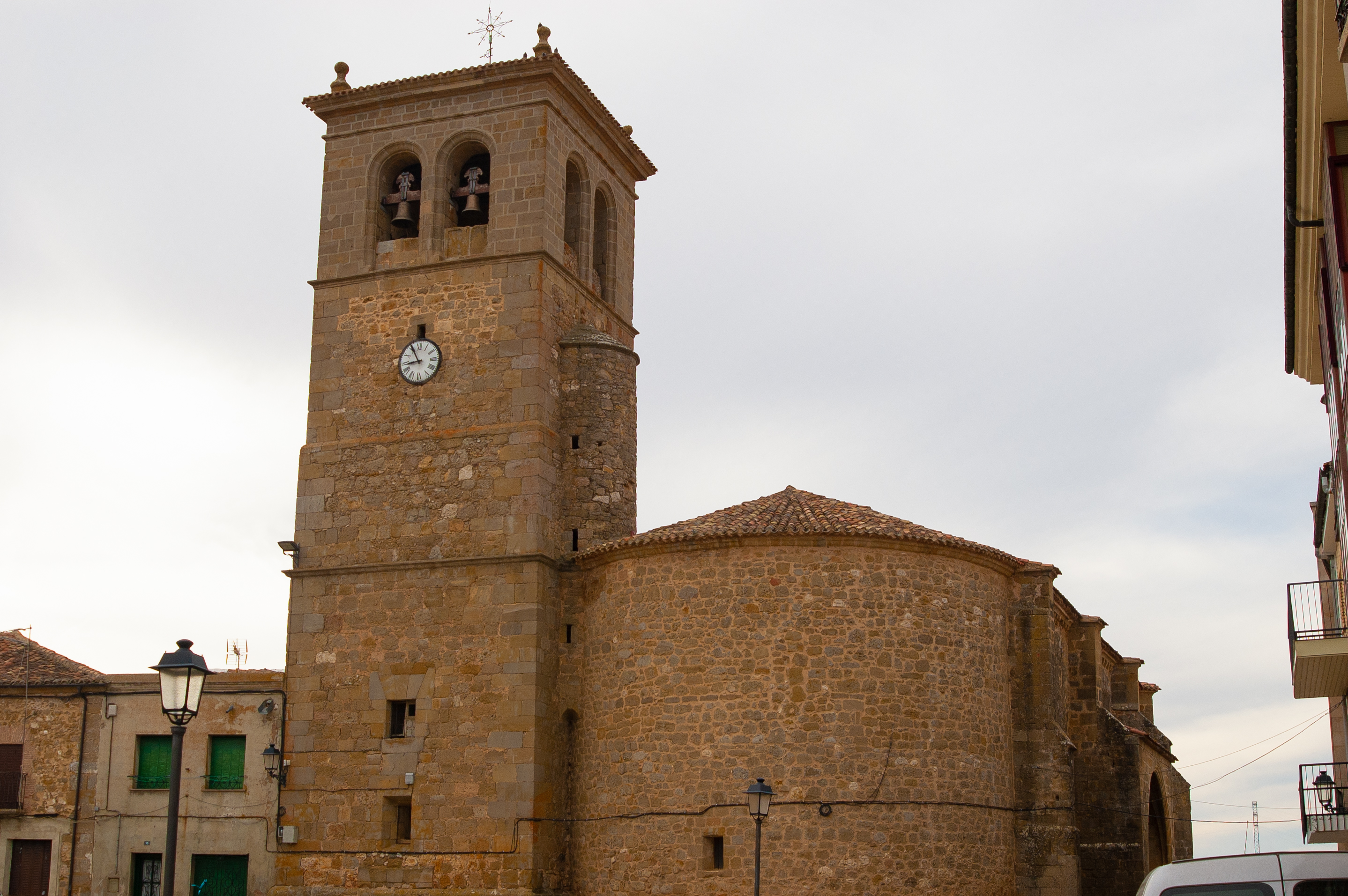
Its past can be seen through the historical and cultural heritage in the streets of the village. The Church of San Juan Bautista stands out, a Gothic style temple which, although spacious, has only one nave divided into three bays by pointed sash arches. It has a polygonal main chapel, a choir in the upper part at the foot and some chapels in the Epistle area. One of these chapels houses the Renaissance altarpiece Los Desposorios. On the outside, if we look at the façade, we can see a semicircular arch in which several children's heads are distributed as decoration. The arch is framed by fluted columns in the upper two-thirds, decorated with vegetable motifs in the lower third. Above it, there is a niche that houses an image of Saint John the Baptist.
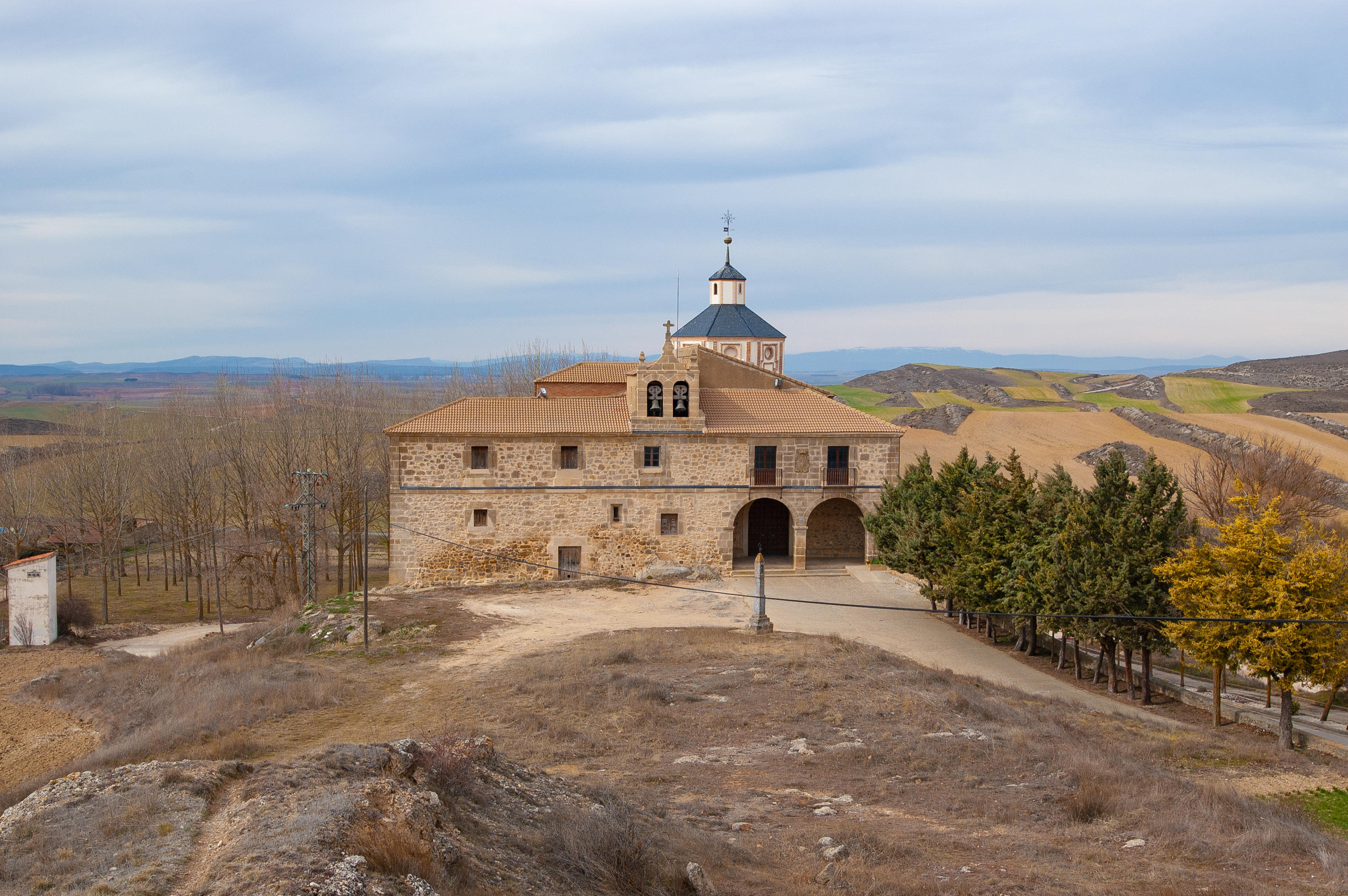
Another building of great heritage value is the Shrine of the Virgen de la Fuente, which is very dear to locals. The original building, older than the one we see today, was destroyed by fire in 1702. The only item that survived was the image of the Virgin. Locals contributed what they could to rebuild it and, taking advantage of the work, a guesthouse was added to accommodate pilgrims. It was also the seat of the Convent of the Padres Prepósitos de los Clérigos Menores de Nuestra Señora de la Fuente.
There are also some remains of what was once the castle of Gómara, a medieval fortress of which only a few vestiges remain of what appears to be a defence tower that could be of Berber origin from the 10th-11th century.
Gómara is known as the birthplace of Francisco López de Gómara, an important 16th century clergyman and historian who became chaplain to Hernán Cortés, and as the setting of La Promesa, one of the legends of the author and poet Gustavo Adolfo Bécquer.
In the area around Gómara there are very flat plateaus at altitudes of 1,000-1,100 metres, almost entirely devoted to cereal crops. In some sectors we find natural vegetation characterised by the presence of holm oak, gall oak and scrubland. In addition, within the municipality there are several sites included in the Natura 2000 Network, such as the Quejigares de Gómara-Nágima, a Site of Community Interest, and the Altos Campos de Gómara, a Special Protection Area for Birds.
The town's festivities include Santa Isabel on 2 July and the patron saint festivities in honour of the Santo Cristo del Amparo and the Virgen de la Fuente, which take place on 19, 20, 21, 22 and 23 August. There is also a novena held in honour of Santo Cristo del Amparo and a solemn mass with a procession to the Shrine of La Virgen de la Fuente.